 Today’s post will not help you lose weight, but it will be cool. We’re going to talk about the brain, an organ that comprises 2% of the body’s weight but uses 20% of its energy and oxygen. It’s the organ that does all my thinking and yet I rarely think about it. I’m grateful for my brain and I want to take good care of it. Let’s look at the healthy habits of sex, soup, and two fisted eating and see how they affect the brain.
But first, a brain joke: What kind of fish performs brain surgery?
A neurosturgeon
Sex stands for sleep and exercise. Sleep gives your brain time to process all the information it took in while you were awake. It also allows your brain to clear out all the a-beta proteins that have been discarded during the day as the neurons work. If left in the brain, these a-beta proteins tend to clump together and harden forming plaque. This plaque is one of the symptoms found in brains with Alzheimer’s. Scientists are still trying to prove whether plaque is a cause of Alzheimer’s or just a symptom. Either way, sleep is important for your brain.
And now, a joke: What do you call a skull without 86 billion neurons?
A no-brainer
 Physical exercise gets your blood pumping to every nook and capillary to bring oxygen in and move toxins out. Getting mental exercise, such as learning new things and challenging the mind, has been shown to help ward off dementia.
And now, a joke: What kind of bees eat brains?
Zombees
Soup stands for water and vegetables. Your brain is 73% water and being only 2% dehydrated can affect your attention, memory, and other cognitive skills, so drink up.
And now, a joke: I once had a neuron working for me. I fired him.
There is a “second brain” in your intestines that contains 100 million neurons. Gut bacteria make dozens of neurotransmitters including serotonin. These good gut bacteria need healthy foods to keep your intestinal flora in balance, so feed them vegetables.
And now, a joke: I wasn’t going to have a brain transplant…but then I changed my mind.
 Two fisted eating stands for portion control and enjoying our food so we’re satisfied with less. This brain connection is a loose one, so humor me. Stress and depression can shrink your brain (which is bad) so savoring your food–the textures, flavors, aromas–can make you feel happy which is neither stressful nor depressing. If you want to be depressed, you should know that the average IQ has gone down 13 points since the Victorian era. If you don’t want to be depressed, read this joke: what do neurons do on their birthdays?
They cell-ebrate
Was that joke depressingly bad? Try this one.
What kind of photos do neurons take?
Cell-fies
Your brain is amazing. Take care of it so it can take care of you. And don’t break the brain scanner. That would be a CATastrophe.
HAPPY THANKSGIVING!
References: Worst Jokes Ever, Reddit.com, bebrainfit.com, piedmont.org, sciencefirst.com
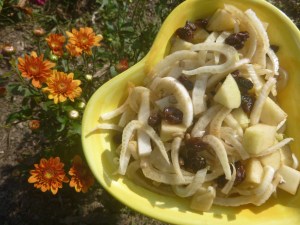
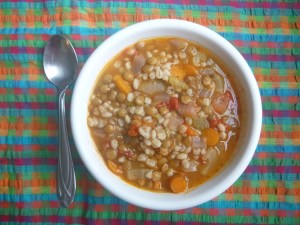
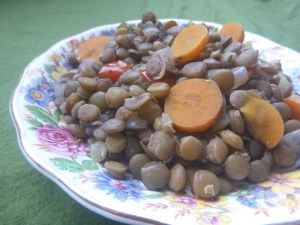
Food photos are of: Fennel Apple Salad, Hearty Lentil Soup, Baked Lentils
 Our patented cerebrospinal fluid will flood your brain while you sleep, carrying away those pesky sticky A-beta proteins. Pesky proteins can build up over time, hardening into plaque and blocking communication between neurons. When you sleep, the spaces between brain cells widen by 60%, allowing our patented fluid to clean every nook and cranny of your precious cranial organ.
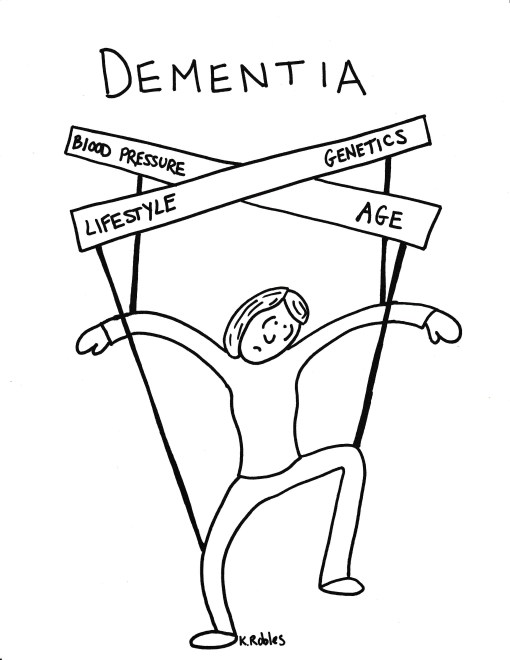 This desire for control applies to our health as well. There are many things we can do to keep ourselves in good health like
 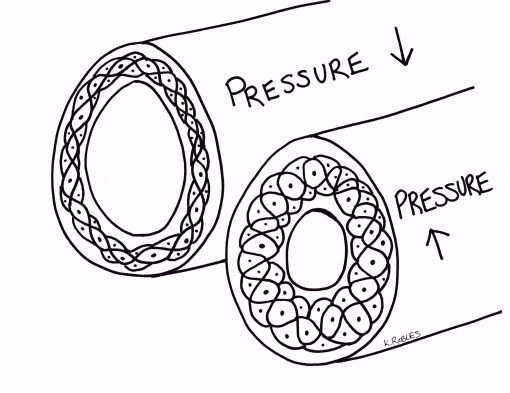 When you consider what we learned about blood pressure and the heart, it becomes obvious why blood pressure affects the brain. If blood pressure is too high for too long, blood vessels become damaged. Damaged blood vessels don’t deliver oxygen and nutrients so cells suffer and die. If those dead cells are in the brain, it affects the way we think, respond, and remember. The brain is only 2% of the body’s weight, but it receives 20% of the body’s blood. That’s nearly 1 liter per minute.
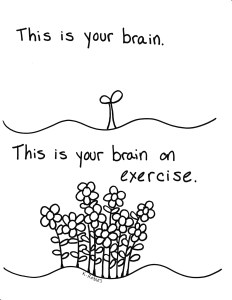
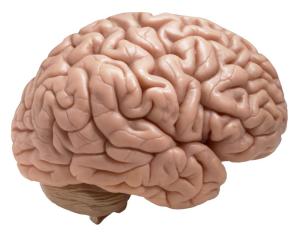 My brain works out several times a week. It seems to enjoy it—especially the surge of endorphins—and man, when it feels stressed, it can’t wait to get moving. I wish I’d taken a before and after picture so you could see how much my brain has bulked up since it started working out.
 Let’s take learning, for example. A few schools in Texas increased recess for their kindergarten and first grade students. With an hour of recess per day, those students’ grades and behavior improved. When Naperville Central High School near Chicago beefed up their physical education classes, their students not only became physically fit, but they finished first in the world on an international science exam.
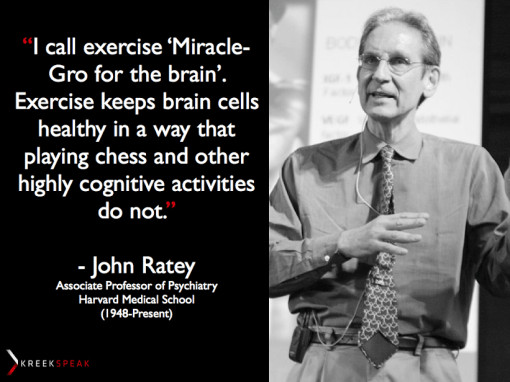 When my brain works out, it’s even protecting itself against the natural effects of aging. As your brain ages, the production of new neurons slows down and the cells it has die more easily than when you’re young. The brain can actually shrivel and shrink over time. Exercise is one of the few ways to combat this trend because it boosts neuron production and makes your cells harder to kill. It’s like car maintenance: if you drive your car all the time, you’re going to maintain it. The older the car gets, the more prone it is to breaking down, but if you keep it well maintained, the car will last a long time. Exercise equals driving the car: the body is forced to maintain the cells because you’re using them. If you stop using your cells, they rust away and die. “If your brain isn’t actively growing, then it’s dying” (Spark).
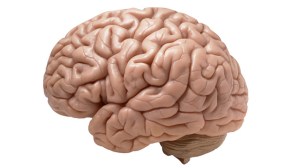 A healthy brain is not the first thing that comes to mind when we think of weight loss. Our goal in losing weight is usually to make our body look better and feel better and a healthy brain is pink, plump, and wrinkly, kind of like a naked mole rat. Not exactly the sexy image we’re shooting for.
 I’ve invited Captain Obvious here today to talk explain why.
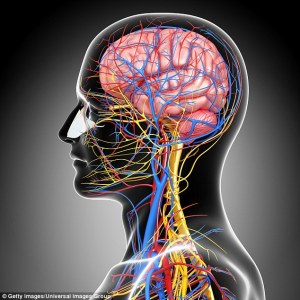 Over the next few weeks we will study the connection between the brain and sleep, exercise, water, vegetables, and portion control. And tell brain jokes. Lots of brain jokes. And I’ll probably use a losing your marbles metaphor. It’s obviously the best way to proceed.
 Sex, Soup, and 2 Fisted Eating