Katie: Today we’re discussing who’s to blame for Body’s recent diabetes type two diagnosis. We’re talking with special guest, Muscle.
Muscle: Wassup, yo.
Katie: Your Body’s blood glucose level, that’s what’s up. Any comments?
Muscle: Yeah, Dude. I have plenty of glycogen. Tell ‘em to put me in the game!
Katie: Glycogen? What’s that?
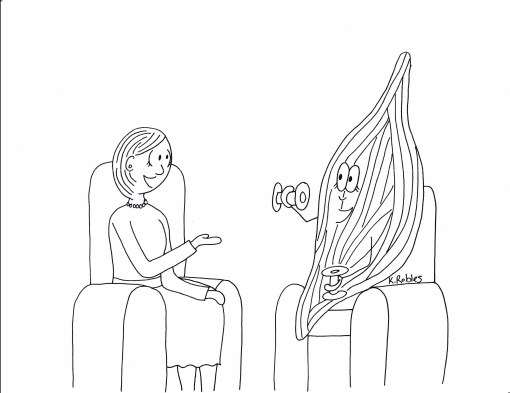 Muscle: It’s this stuff that gives me energy. I store it until I need it. I’ve been dying to use it, man, but Brain’s been keeping me on the bench.
Katie: Did she say why?
Muscle: Straight up excuses. She’s busy, she’s tired, blah, blah, blah. I need to move, dude!
Katie: Will you exercising help Body lower her blood glucose level?
Muscle: Yo, man, I don’t know, I leave that brain stuff to Brain. All I know is that I store glycogen, when I move I use it, then I get more.
Katie: Where does glycogen come from? How do you get more?
Muscle: From the blood. It’s called glue…something. After I exercise, I suck in the glue thing, change it to glycogen, and save it so I’m always ready to move. I want to do squats so bad!
Katie: Wait, glue-something…do you mean glucose?
Muscle: Yeah, that sounds right. Can you ask Brain if I can do some squats?
Katie: Do you need insulin to suck in the glucose?
Muscle: The what?
Katie: The glue. Do you need insulin to take the glue-thing out of the blood?
Muscle: Nah, man, after I exercise I’m so hungry for it that I just take it. No insulin needed.
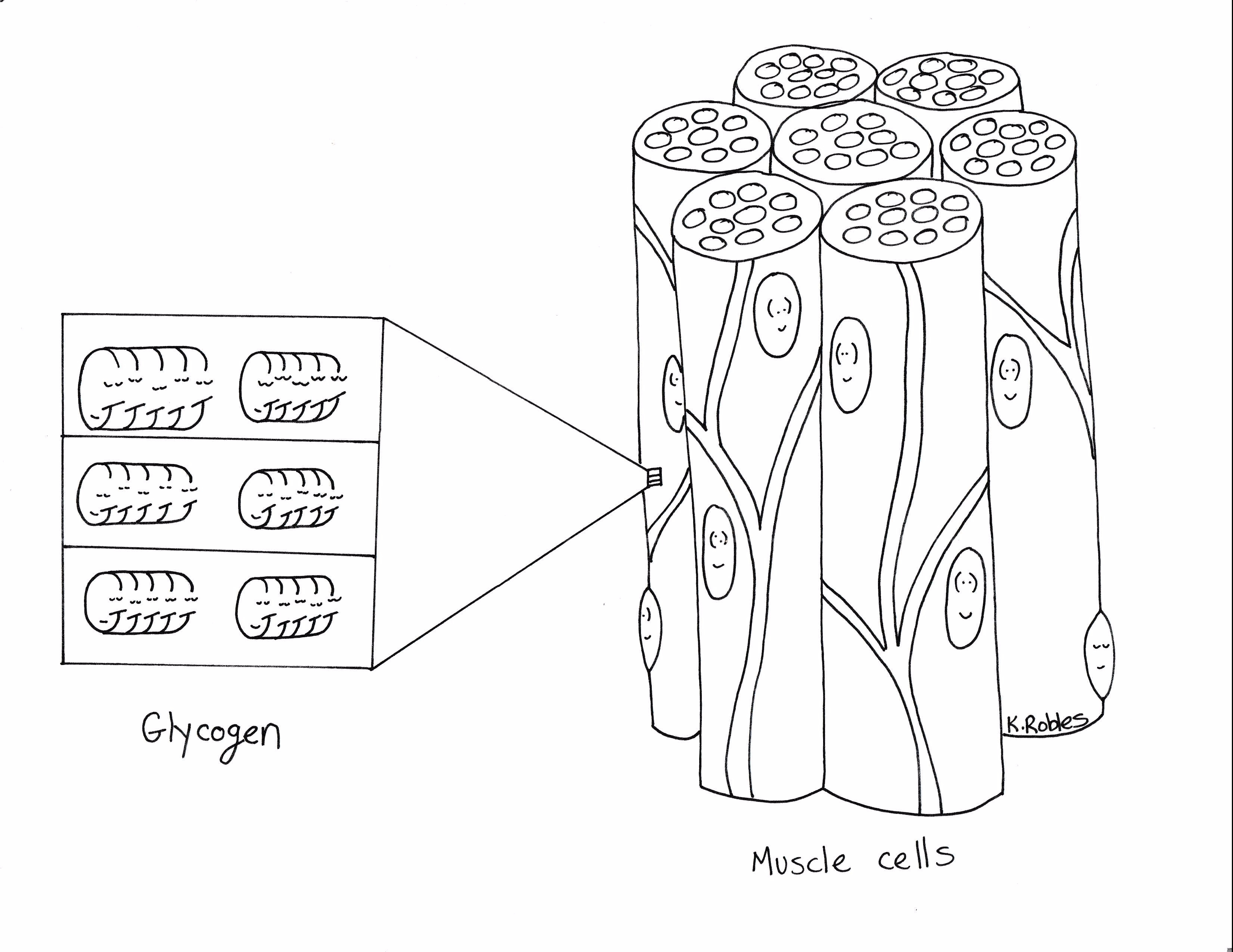 Katie: So if Body had exercised when she was insulin resistant, then you, Muscle, could have lowered her blood glucose level without insulin?
Muscle: If that’s what I said, then sure.
Katie: That’s amazing.
Muscle: Yes, I am. You should see me when I flex.
Katie: Muscle, my assistant just handed me some research. It says studies have shown that exercise can prevent or delay type 2 diabetes. One study showed that even if Body overeats, exercise will help her regulate her blood glucose level.
Muscle: Cool. I work with Heart a lot. She says she feels better when I move too.
Katie: I was just discussing the blood glucose level’s affects on the cardiovascular system with the Kidney Twins! Exercise is extra important for diabetics because diabetes increases Heart’s risk of a heart attack. Look at this study: exercise plus moderate weight loss—as little as ten pounds—lowers Body’s risk of type two diabetes by 58%!
Muscle: Sweet.
Katie: Let’s get Brain in here. We need to ask her about your squats.
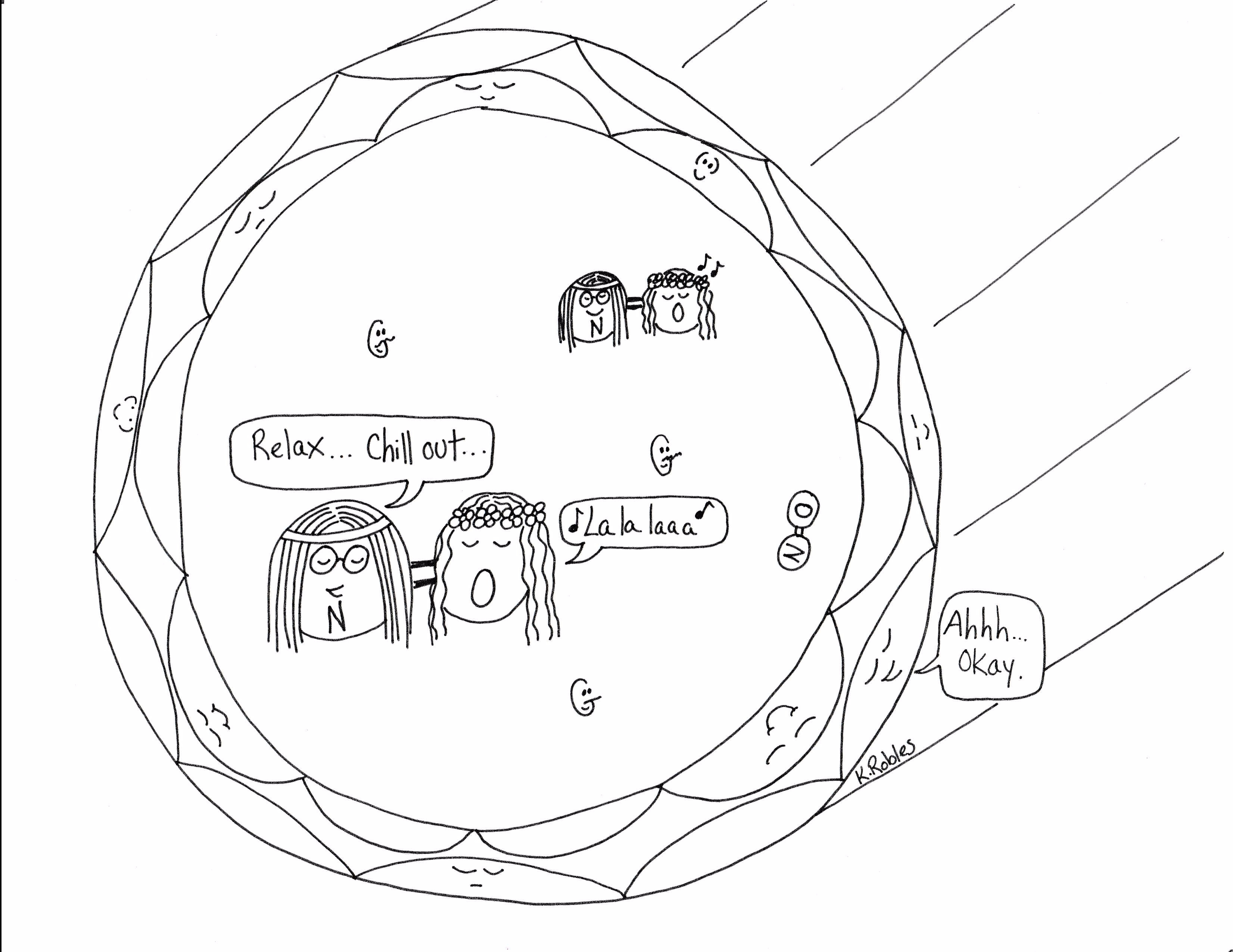
Muscle: Cool, but before we talk to Brain, Bladder’s full again.
Katie: Then I suppose we’ll take a break. Stay with us: we’ll be right back.
 Kidney 1: Hi, Katie. Hello, Pancreas. You certainly keep us busy.
 Pancreas: You’re not the only ones.
 Katie: Ladies, can we agree that you all look exhausted and move on from there? Thank you. Now, what would happen if you all took a day off? What’s so bad about the blood glucose levels being high for a while?
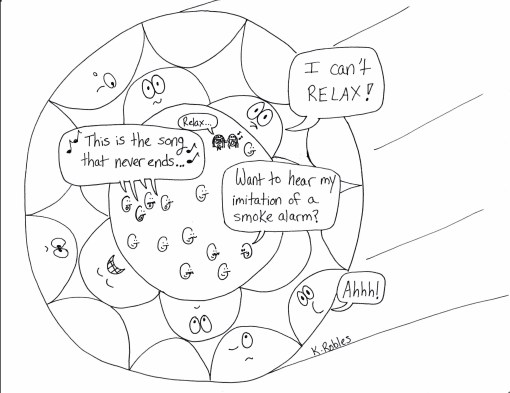 Kidney 2: The nerves become damaged. It’s called neuropathy. Sometimes neuropathy causes pain or tingling and sometimes it causes numbness.
 Your heart contracts (or pumps) rhythmically every second of every day of every year of your life. The force of the contraction (labor flashback! Anybody else grimace when they read that phrase?) pushes the blood through the arteries beginning with the big ones near the heart and ending with the teeny tiny itsy bitsy yellow polka dot bikini capillaries in your toes, organs, eyeballs, and everywhere in between.
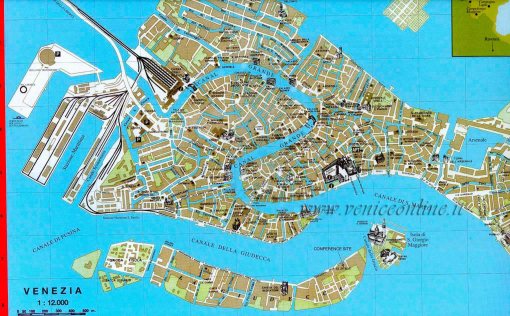 HeartDOT makes sure that traffic keeps moving. Blood delivers oxygen, nutrients, medical personnel (white blood cells), hormones, repair crews, and a host of other goods and services to the body. It also transports the body’s junk (dead viruses, bacteria, toxins, etc) to the Kidney Export Service for permanent removal from the body. HeartDOT doesn’t make the goods or the trash, it just keeps the flow moving.
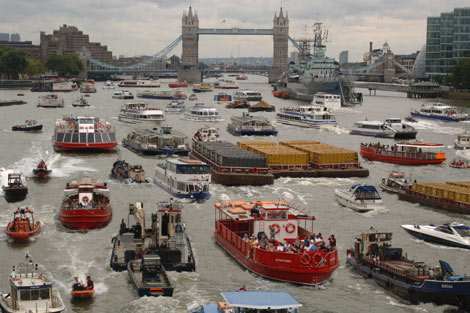 Now imagine that transportation around Venice is not shut down, but travel has slowed. Storms have washed silt into the waterways, making them narrower. A tanker sank in the lagoon and traffic bottlenecks as vessels go around it. Priority is given to those carrying food and oxygen, but repair crews are delayed and trash removal is minimal.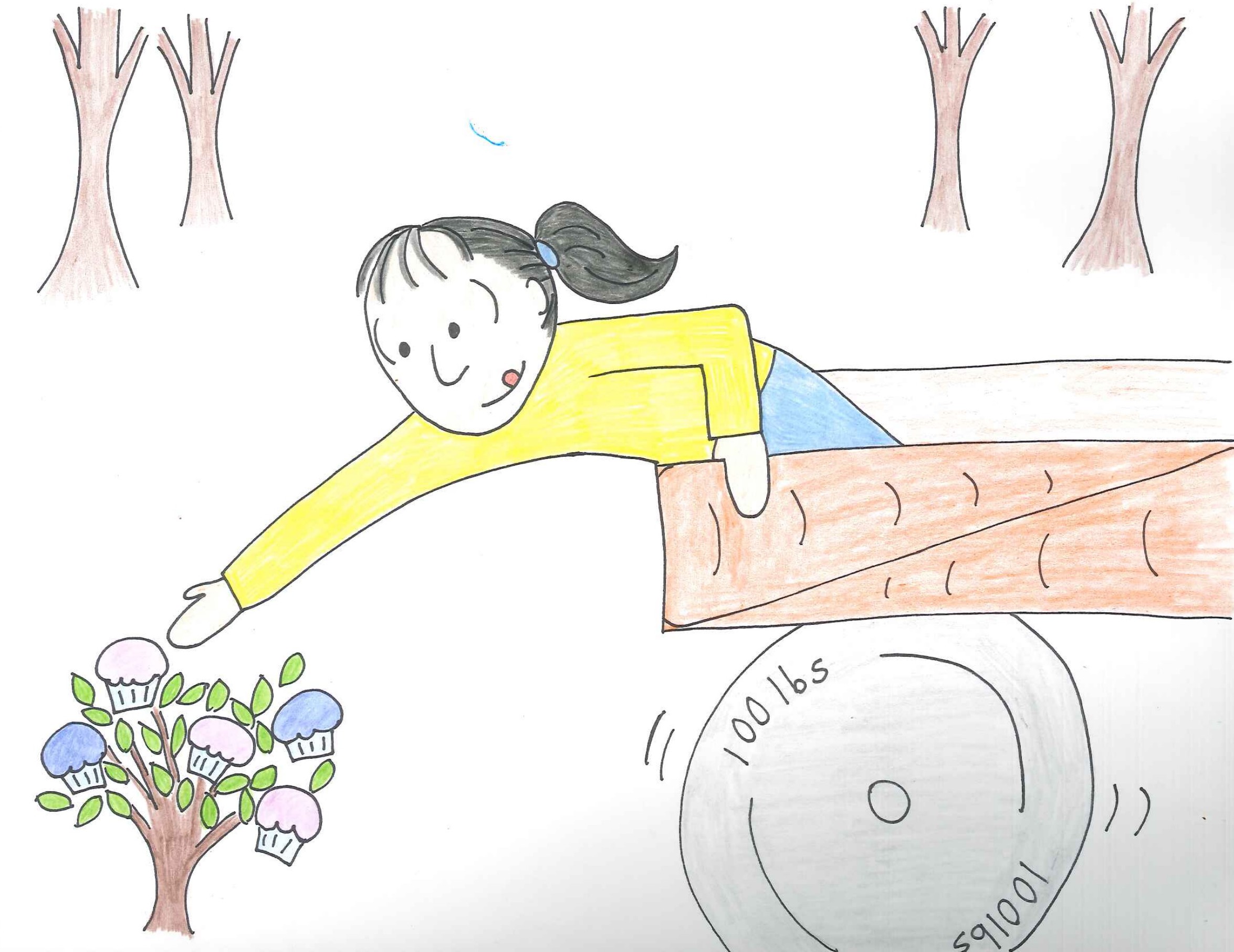

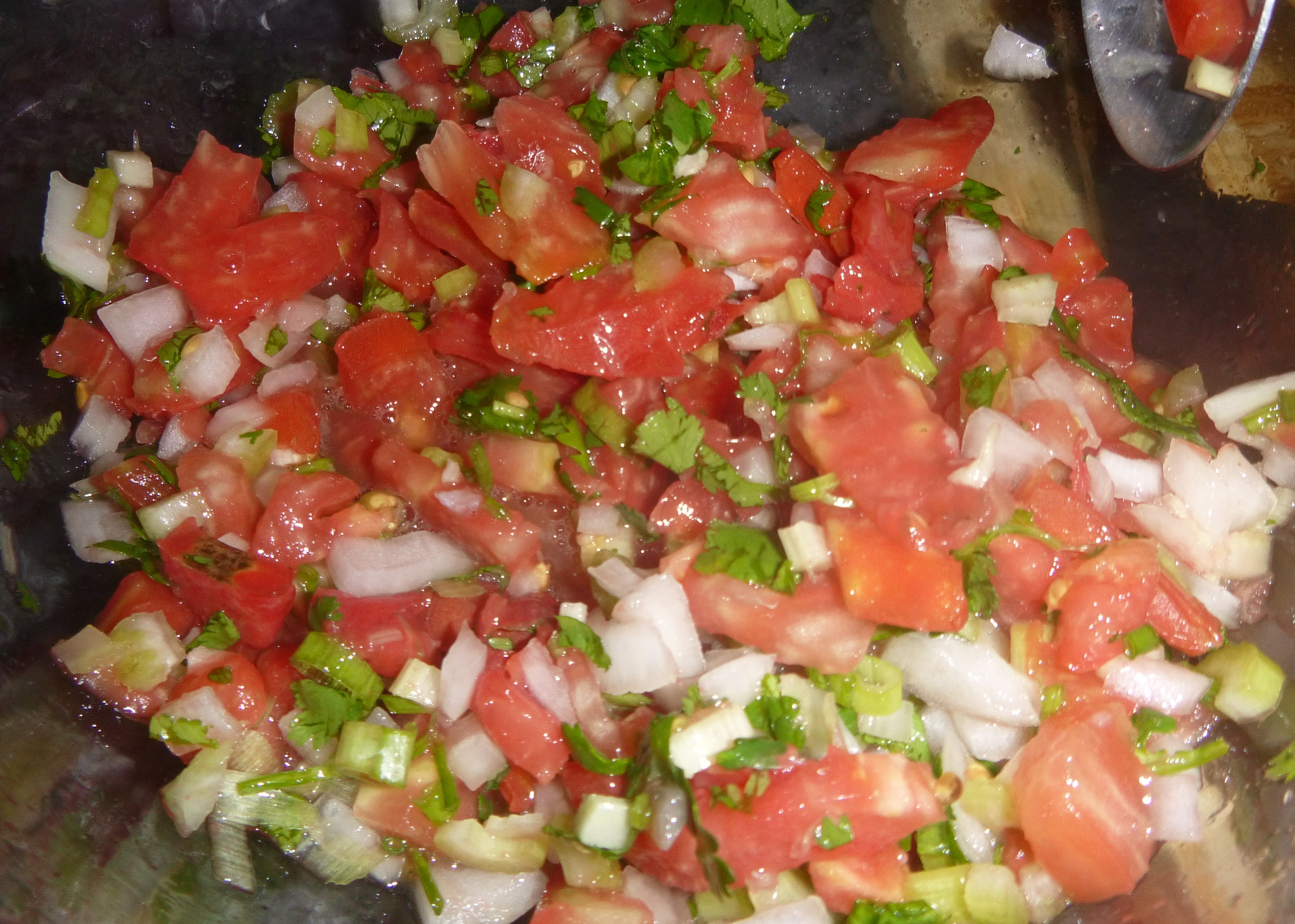
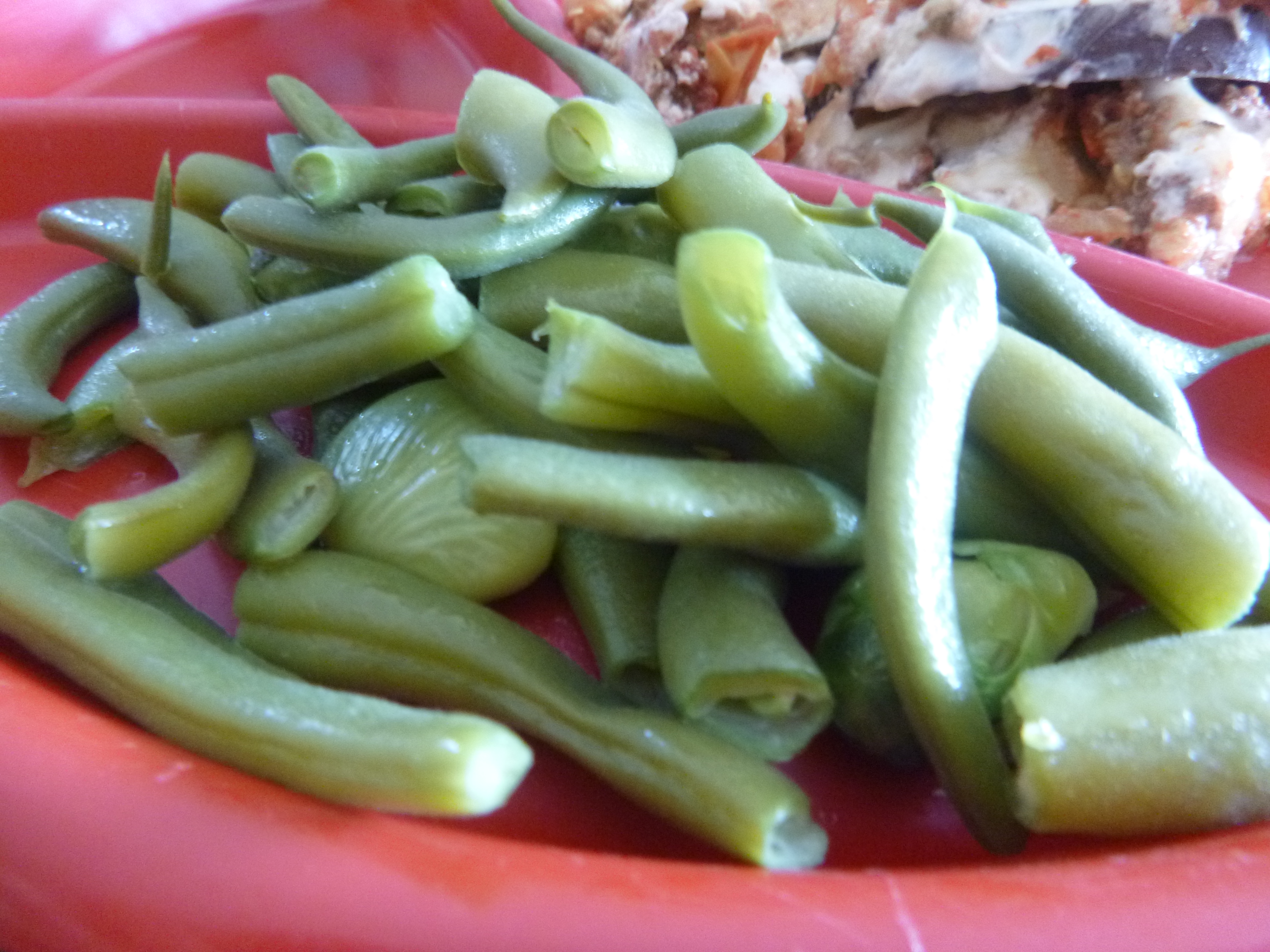
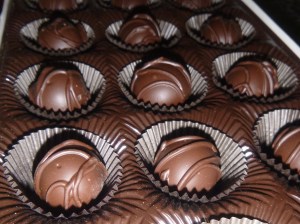 The one thing that has made the biggest difference in both my body and my lifestyle is savoring my food. Paying attention while I eat leaves me satisfied after every meal, even with smaller portions on my plate.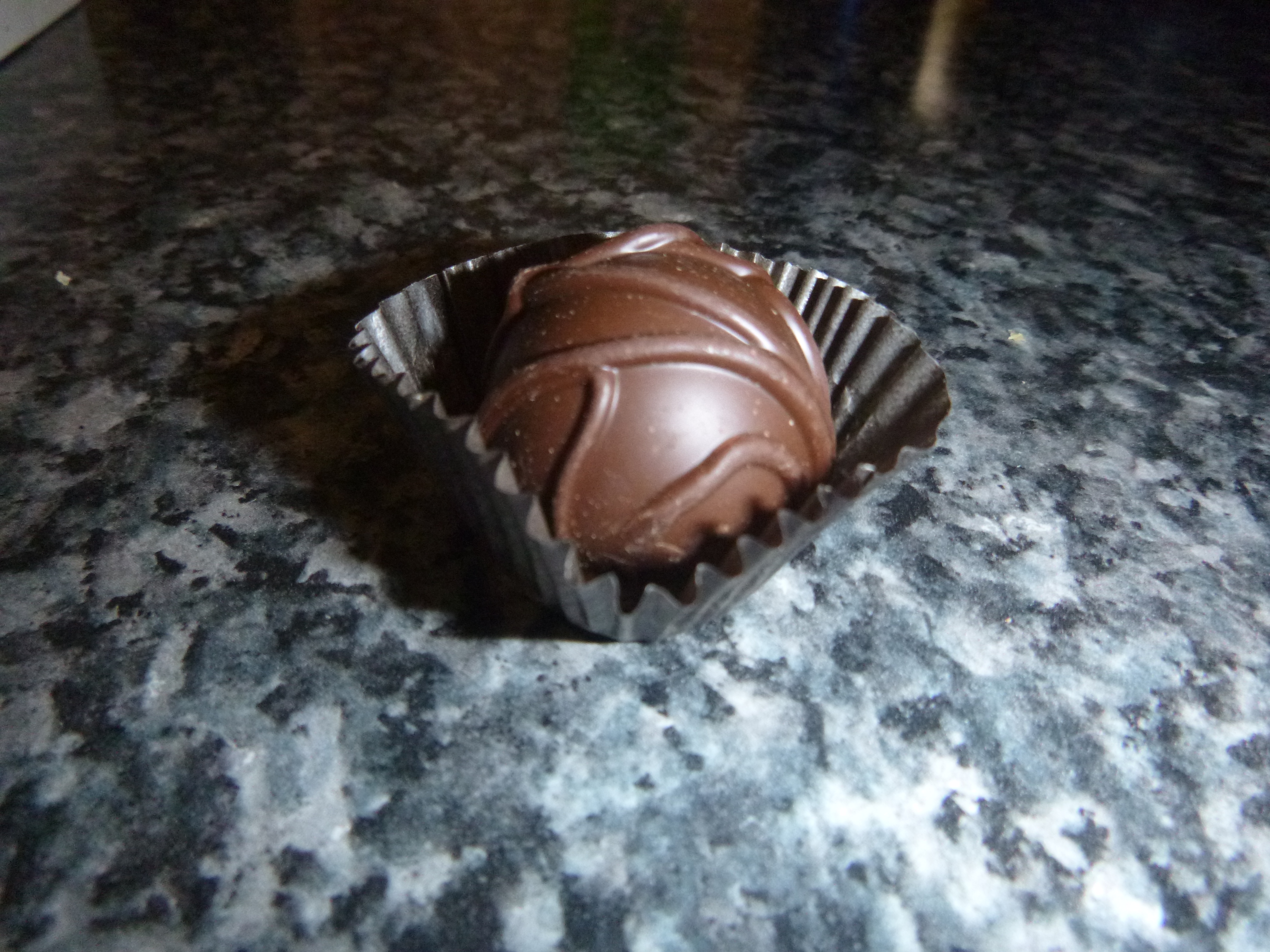
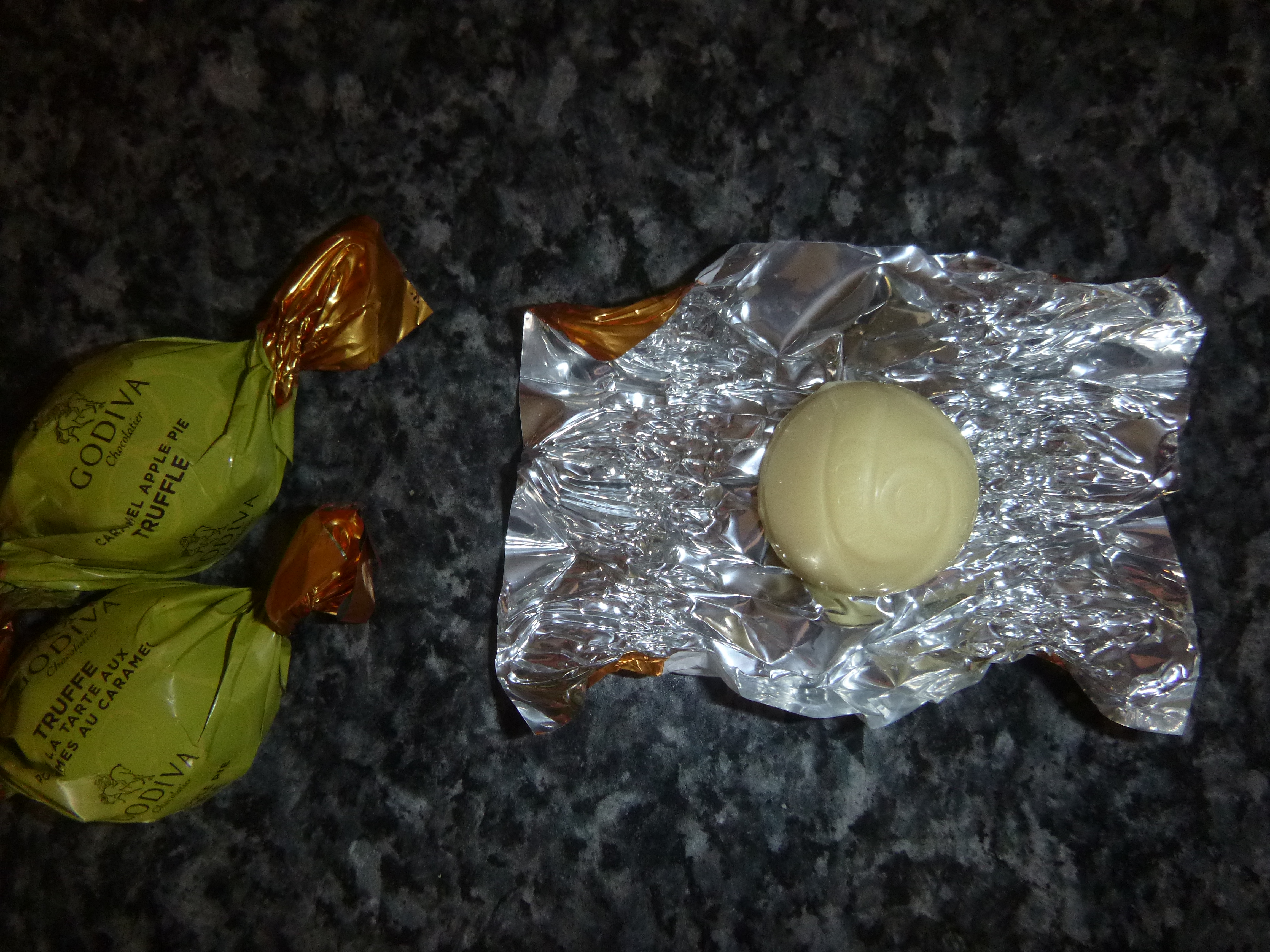
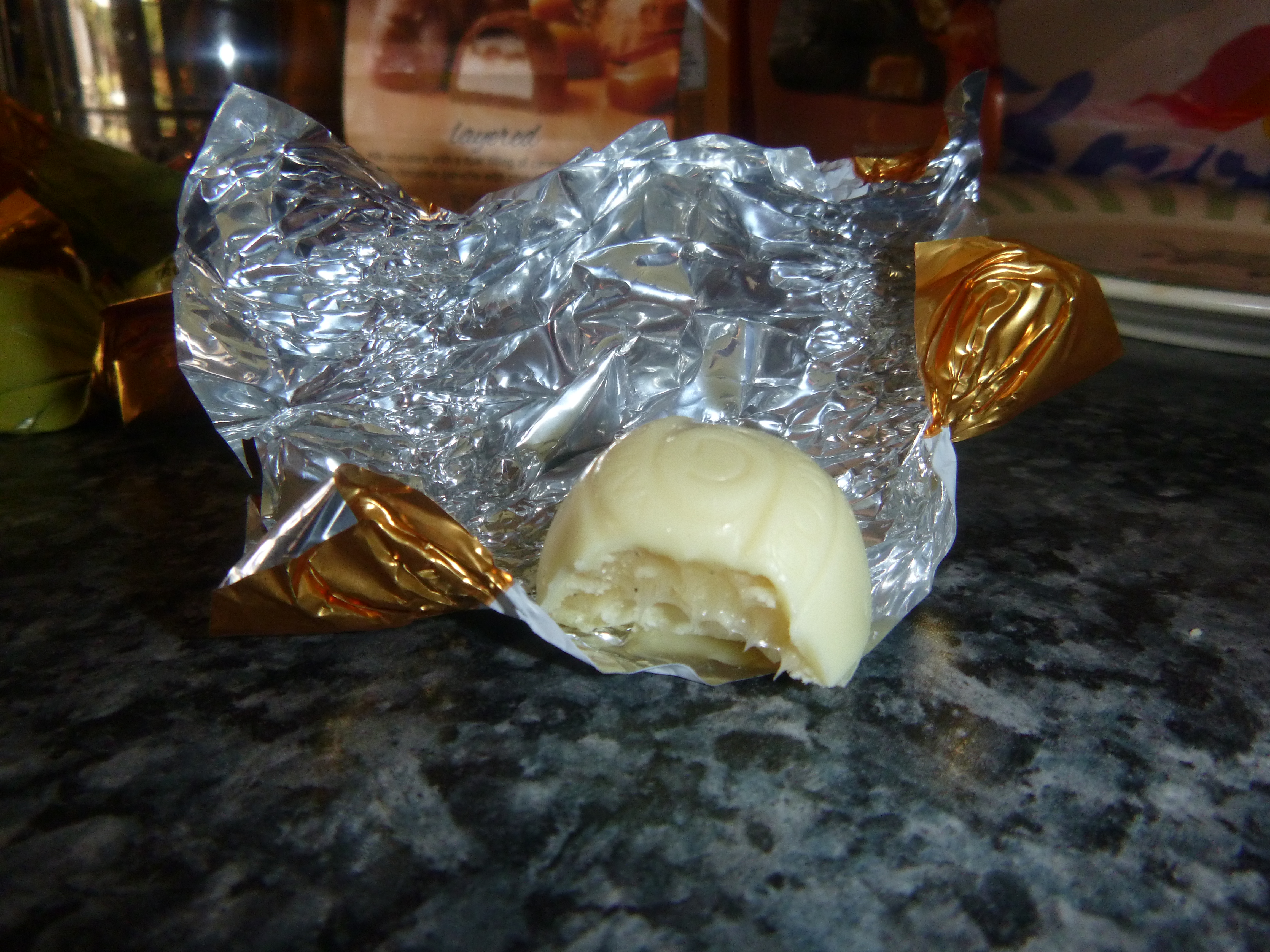





 Sex, Soup, and 2 Fisted Eating