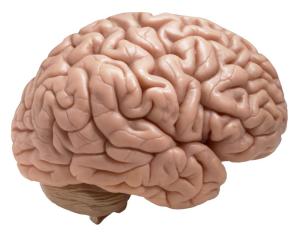
 My brain works out several times a week. It seems to enjoy it—especially the surge of endorphins—and man, when it feels stressed, it can’t wait to get moving. I wish I’d taken a before and after picture so you could see how much my brain has bulked up since it started working out.
How does my brain work out? Easy. It tells my limbs to move: my legs walk or dance, my arms lift weights or push me up, and sometimes it gets all four limbs flailing in unison in the pool. The limbs get my heart pumping and the extra blood feeds and cleans my brain. My brain is getting more fit every day.
“(The brain) is an adaptable organ that can be molded by input in much the same way as a muscle can be sculpted by lifting barbells. The more you use it, the stronger and more flexible it becomes” (Spark). We usually think about exercise’s benefits to our muscles and lungs, but studies are proving over and over again that our brains benefit greatly from exercise as well.
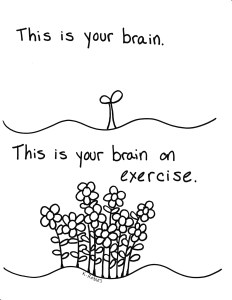 Let’s take learning, for example. A few schools in Texas increased recess for their kindergarten and first grade students. With an hour of recess per day, those students’ grades and behavior improved. When Naperville Central High School near Chicago beefed up their physical education classes, their students not only became physically fit, but they finished first in the world on an international science exam.
How does this brain-exercise connection happen? Dr. Ratey explains it well and thoroughly in his book Spark, but I’m going to sum it up in three words: exercise births neurons. Your brain makes new neurons all the time, but when you exercise, your brain puts the neuron factory in overdrive. Your brain is then swimming in neurons looking to make a connection and you are primed to learn, process, and remember. Add to that the extra blood flow bringing more oxygen and nutrients to the brain and what you get is a cocktail of neurological growth serum.
Learning is not limited to school scenarios: exercise helps the brain battle depression and addiction because the brain is primed to learn a new reaction to old situations. Exercise also boosts the production of serotonin, norepinephrine, and dopamine, three neurotransmitters that help regulate thoughts and emotions and keeps us flying level. Studies have shown exercise to be as effective as medication in treating depression and that exercise reduces the risk of depression. I’m not saying “cure” and I’m not telling you to dump your pills if you take them. I’m saying give your brain a workout because your brain is capable of amazing things and regular exercise is proven to help.
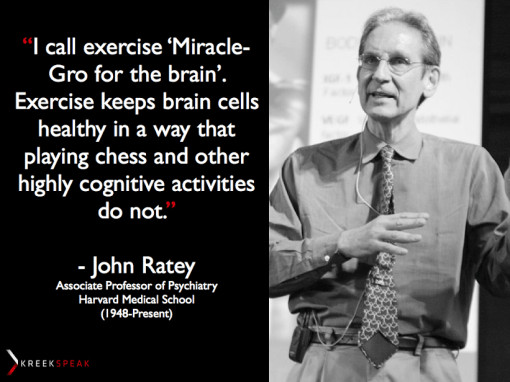 When my brain works out, it’s even protecting itself against the natural effects of aging. As your brain ages, the production of new neurons slows down and the cells it has die more easily than when you’re young. The brain can actually shrivel and shrink over time. Exercise is one of the few ways to combat this trend because it boosts neuron production and makes your cells harder to kill. It’s like car maintenance: if you drive your car all the time, you’re going to maintain it. The older the car gets, the more prone it is to breaking down, but if you keep it well maintained, the car will last a long time. Exercise equals driving the car: the body is forced to maintain the cells because you’re using them. If you stop using your cells, they rust away and die. “If your brain isn’t actively growing, then it’s dying” (Spark).
Working out makes my brain work better, feel better, learn better and react better. We are ‘use it or lose it’ creatures, so get your body moving so you don’t lose your mind!
Those who live according to the flesh have their minds set on what the flesh desires; but those who live in accordance with the Spirit have their minds set on what the Spirit desires. The mind governed by the flesh is death, but the mind governed by the Spirit is life and peace. Romans 8:5-6 (NIV)
 Step 2: Put the soup pot on the stove and turn the burner on to medium or medium high.
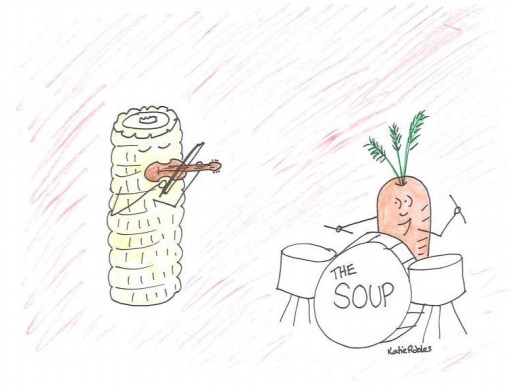 Step 5: Choose and chop up your veggies; smaller is generally better, but go with whatever you prefer. If you use a food processor, your kids won’t be able to pick out the tiny bits in the broth.
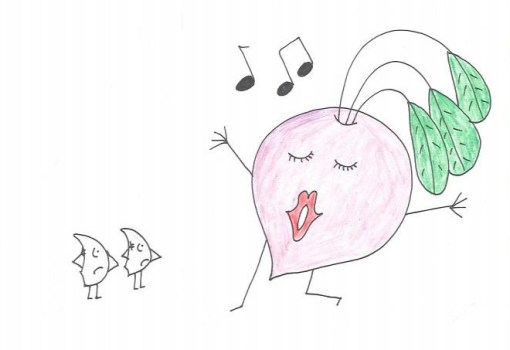 Step 8: Add the secret ingredient: salt. I used to have trouble making soup. At first I would throw a lot of things into a pot and serve it. My husband got a few nasty surprises since he was generally the first one to taste it, so I started sampling dinner before dishing it. If a soup didn’t taste right, I’d add a little of this or that or those and finally my husband would ask “did you add salt?” It only took me five years to start listening to him. Before you despair, add a little salt and taste. Add a little more and taste. It’s very hard to take extra salt back out. If you over salt, try adding potato.
 Excuse #1: I can’t make it to the gym five days a week this week because my kid is sick, my other kid has a dentist appointment, it’s snowing, my car’s in the shop, there’s a Downton Abbey marathon on TV, my sneakers don’t match my only clean t-shirt, and no one wants to sweat on a Friday. May as well give up.
 Excuse #2: I have a sedentary job and a busy schedule driving here and there and the only time I can do any real exercising is on the weekends. But going for a hike or playing tennis or taking a long bike ride doesn’t count, right? I mean, if most of my exercise is all in one day, it doesn’t do any good, does it?


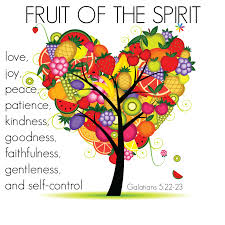
 For the Spirit God gave us gives us power—YES!—and love—YES!—and self-discipline—um, say what now?
 God wants me to control my body. Self-discipline helps me say no to sin when I want to do what I know is wrong. Self-discipline helps me make time each day to pray and read the Bible when a thousand other ways to spend my time seem more urgent. And self-discipline helps me do what I need to do to get healthy.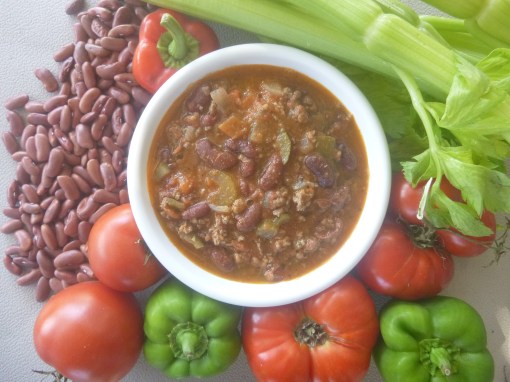
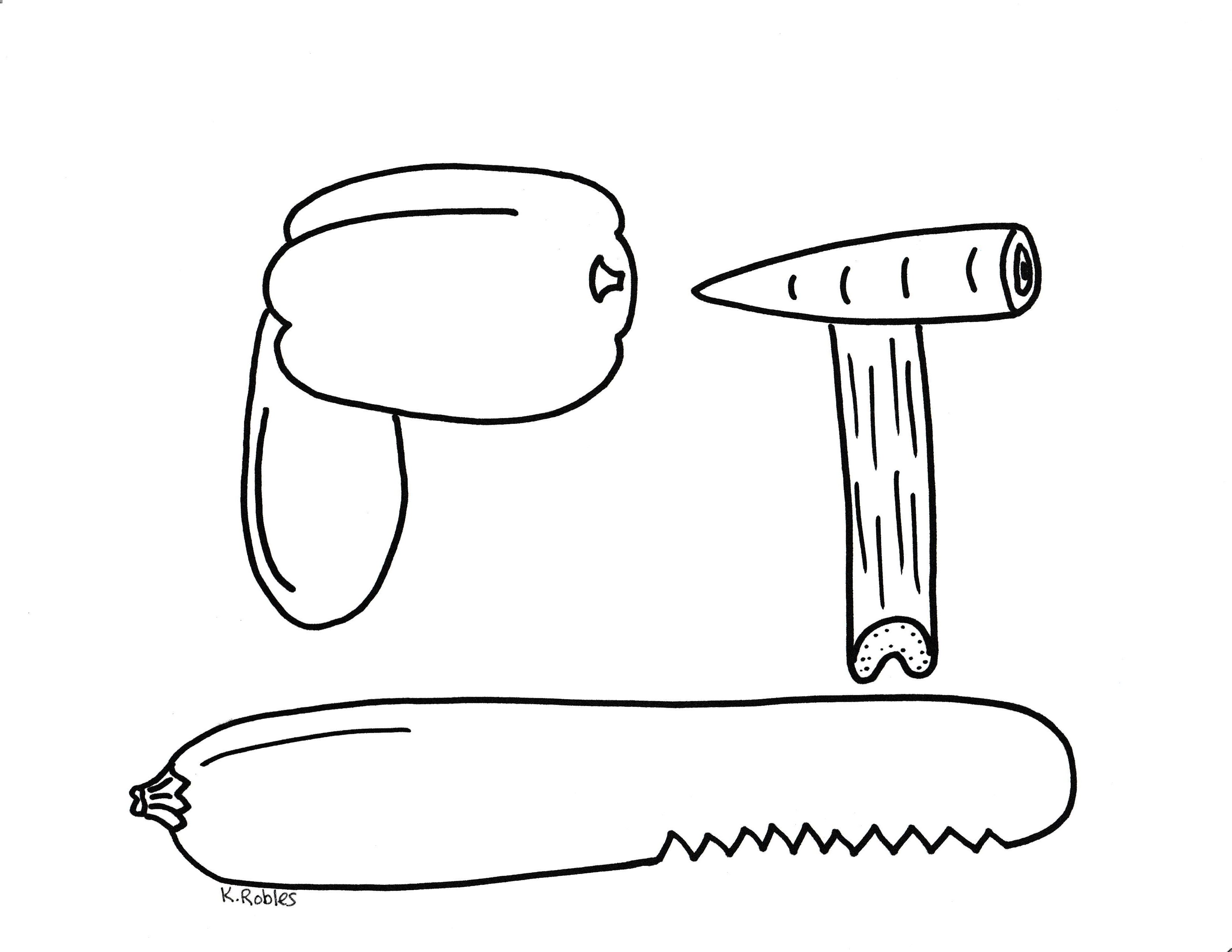

 I want you to put your foot in your mouth. Portion control is a big factor in weight loss and healthy eating and -whoa, hey! I did not think you were that flexible. Get your toes away from your nose, it was only a metaphor. I just meant that your foot is about the size of a properly proportioned meal.
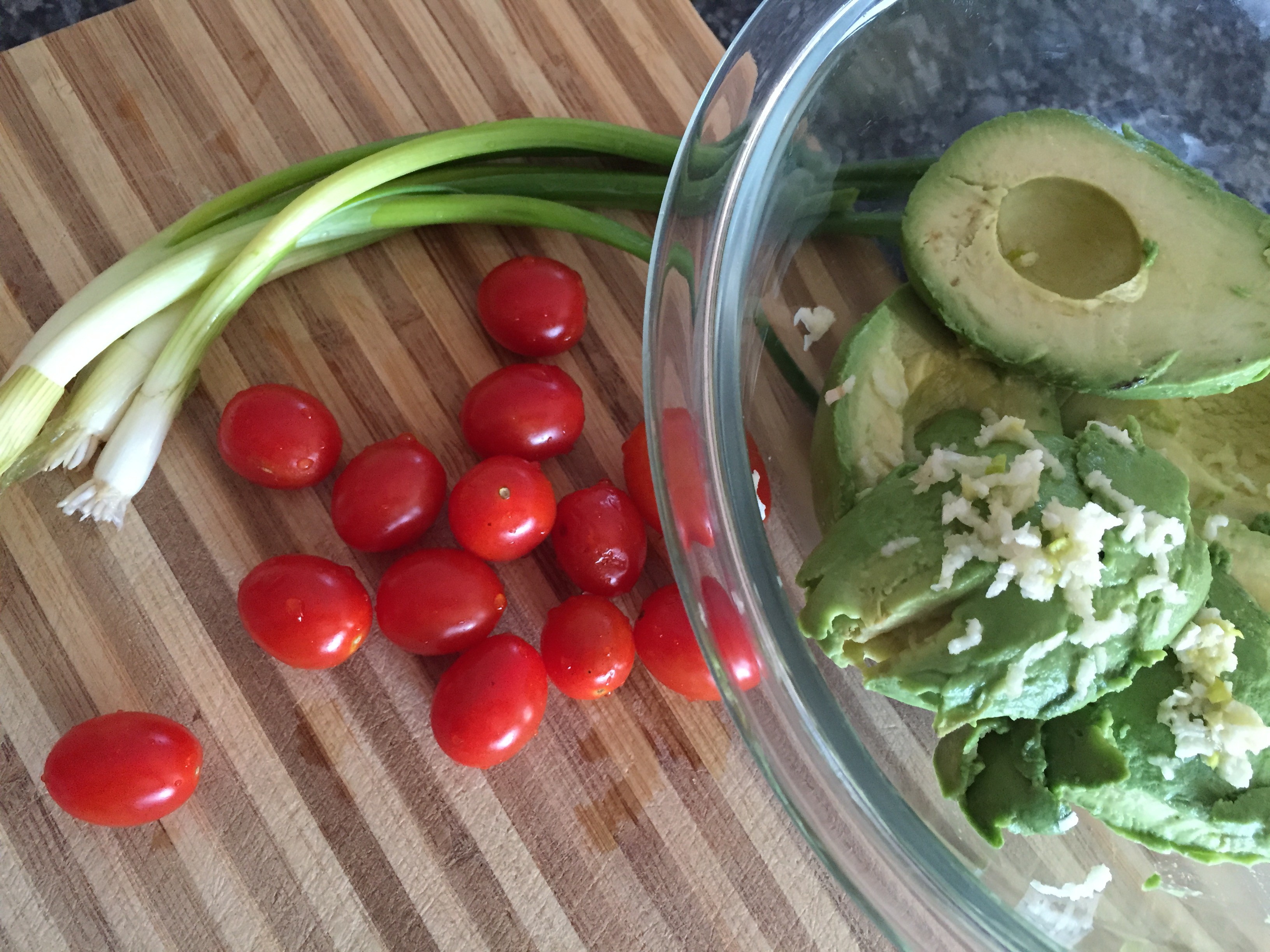
 Eating proper portion sizes is easy to do with the measuring tools you have on you: your fists. Your two fists are the size of your one stomach, so you can use your fists to quickly gauge how much food will fill your belly. A meal is equal to four fists and two of those fists should be fruits or vegetables. Four fists is roughly the size of your foot, so when you’ve put your foot in your mouth, you stop eating. I repeat: you stop eating. It’s that simple and it’s that hard.
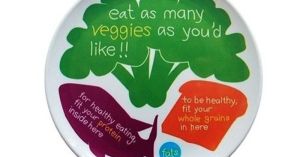 Another study found that eating smaller bites (nickel sized) and chewing a little longer (9 seconds) helped participants eat 65% less food than those who took larger bites (3 nickels) and chewed less (3 seconds). That’s a lot of numbers… look, forget the numbers and just make an effort to chew more and eat more slowly. The longer you take to eat, the more time your stomach has to notify your brain that it’s full. Perhaps it’s not the amount of food on the plate, but the time we spend eating that makes us feel satisfied. Metaphoric translation: put your foot in your mouth and nibble your toes. If you’re still hungry after eating two fists of food and two fists of veggies, keep thinking about feet near your mouth. Toe jam near your tongue, bunions touching your boca, sweaty soles approaching your saliva… your appetite should disappear in no time.
 Sex, Soup, and 2 Fisted Eating