 Sex, Soup, and Two Fisted Eating: Hilarious Weight Loss for Wives officially releases today! Here’s the back cover:
Laugh until you love your body :
Are you ready to lose weight and get healthy, but you hate celery sticks and sweat? This book is for you. Sex, Soup, and Two Fisted Eating is:
*Fun: laugh-a-minute encouragement complete with cartoons, poetry, and enough cheesy puns to make you lactose intolerant.
*Sustainable: for long term results, look no further because the healthy habits you develop will help you stay fit until you die. (See how encouraging this is?)
*Flexible: easily adaptable to fit your needs and preferences like a need for chocolate and a preference to avoid spandex, for example.
*Educational: the science supporting healthy habits is explained in a memorable way, like how REM sleep is like a toilet.
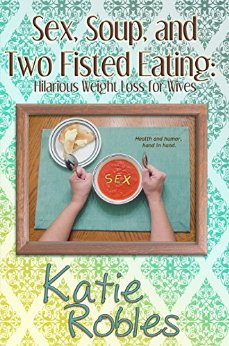 The ebook has color illustrations and recipe photos and is available at the following locations: Amazon, Barnes and Noble, iTunes, Kobo, Google Play .
The paperback has black and white illustrations and recipe photos and is available on Amazon.
Autographed books will be available through SquareUp soon. (The box of books on it’s way to me has been delayed; as soon as I have books in hand, I will start taking orders. I’ll let you know when that happens. If you live near me and want a book signed, I’d be happy to do so in person!)
Thank you to everyone who pre-ordered, shared with friends, and got excited with me! If you enjoy the book, please leave a review on Amazon, Goodreads, or wherever you go to find books.
“May we shout for joy over your victory and lift up our banners in the name of our God. May the Lord grant all your requests.” Psalm 20:5

 Another potluck barbecue.
 Cook with your ears. Listen to an audio book while you cook or put on some music that’ll make your toes and your chopping knife tap together. If the audio book is a tear jerker, chop up a bag of onions and freeze the extra for later.
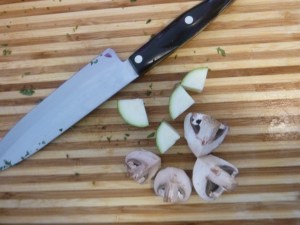 Rise and reward. Rise early twice a week to prep your recipes: chop the veggies or measure spices and save them in a little container. Get your ingredients set so that when you’re tired and hungry and it’s time to cook dinner, all you have to do is heat the pan and throw it all together. Or, in the case of a casserole, throw it in the oven. Reward yourself for your early effort with a special coffee or a favorite fruit salad. For many moms, being able to cook in peace and quiet in the early hours is a reward unto itself. If you use a slow cooker, your meal can be ready and waiting when you walk in the door.
 This last suggestion is my favorite: host a Chop and Chat. Invite a friend over and cook together. Yes, you will have different tastes and styles, but you will learn from each other and the cooking is accomplished—that’s the point, after all. Make salad together, scrape and cut carrot sticks for snacking, make a batch of soup or a fruit salad. We get together with friends to talk, but why not make our hands as productive as our mouths?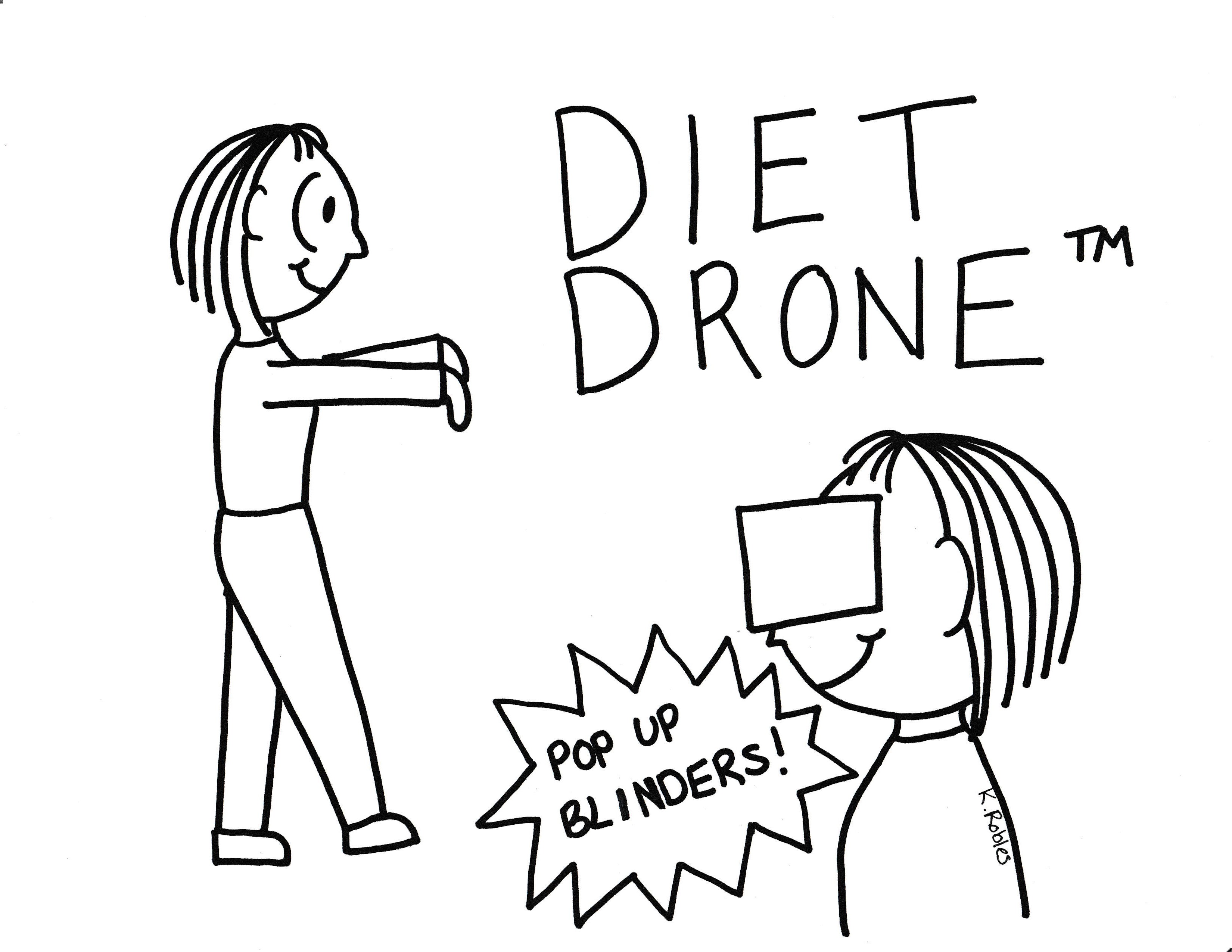
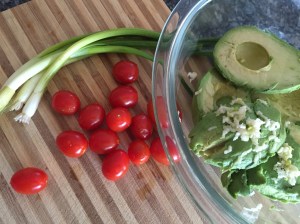 Cooking meals at home helps your family eat healthy and save money, but if you don’t shop with a plan, you can end up throwing expensive produce away. It’s happened to most of us at some point. You head to the grocery store with good intentions, buy a lot of random produce,—because with ten pounds of broccoli in the house, you can’t fail to lose weight, right?—and then half of that produce spends the next two weeks being nudged closer and closer to the back of the fridge before it’s finally tossed in the trash. It’s frustrating and discouraging. For you and for the produce.
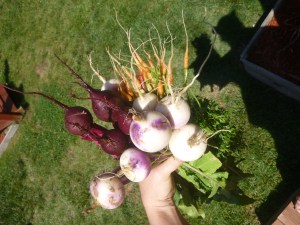 The solution to this problem is to plan your produce. Here’s how.
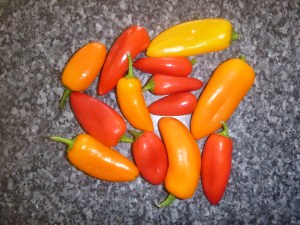 Take your list to the store and don’t stray from it. There are going to be produce items that you always keep on hand like garlic and onions, and items that you only buy when you need them like bell peppers and broccoli. It all depends on your family and your preferences. For example, I always have carrots in the house. My boys like to snack on them (when given the choice of carrots or nothing), I like to mindlessly crunch them in front of the TV, they’re cheap, and they’re useful in a plethora of recipes. It’s a staple. Cauliflower, on the other hand, only comes home with me when I have a plan for it. It’s like the out of town relative you enjoy having over, but feel like you have to entertain.
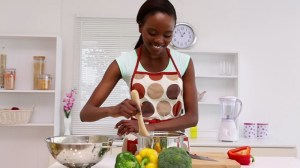 A 2014 study showed that people who frequently cook at home eat healthier and eat less than those who don’t. The frequent meal makers in the study ate an average of 137 fewer calories, 3 fewer grams of fat, and 16 fewer grams of sugar per day than their my-oven-is-clean-because-I’ve-never-used-it counterparts. That doesn’t sound like a big difference—and if we were talking about one day, it wouldn’t be—but let’s expand that difference over a year’s time and see how the almost-daily and almost-never cooks shape up.
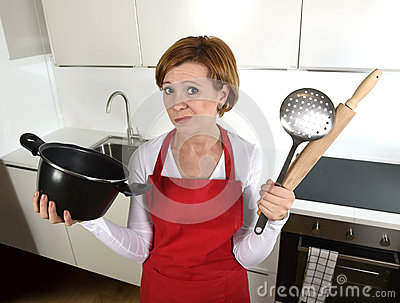 Some women are novice cooks. They feel that boiling pasta stretches their culinary skills to the max. They use phrases like “Preheat? Is that like speed dial?” or “grilled cheese is gourmet”. Some women are ne’er-say-buy chefs who love to cook and can whip up a meal from scratch without breaking a sweat. They use phrases like “we’re out of mayonnaise, I need to make more”. Both women love their families dearly and want what’s best for them. Cooking at home is a spectrum of intensity and frequency and you do your best with the time and energy that you have.
 Sex, Soup, and 2 Fisted Eating