Brain: Ladies, I need you to help me order. Stomach says she’s empty and the cells are asking for quick energy like cookies, but now I know we have the glucose in the system, it’s just not reaching the cells. Cookies aren’t a good idea because they’ll just raise our blood glucose level even more.
Pancreas: What do we order?
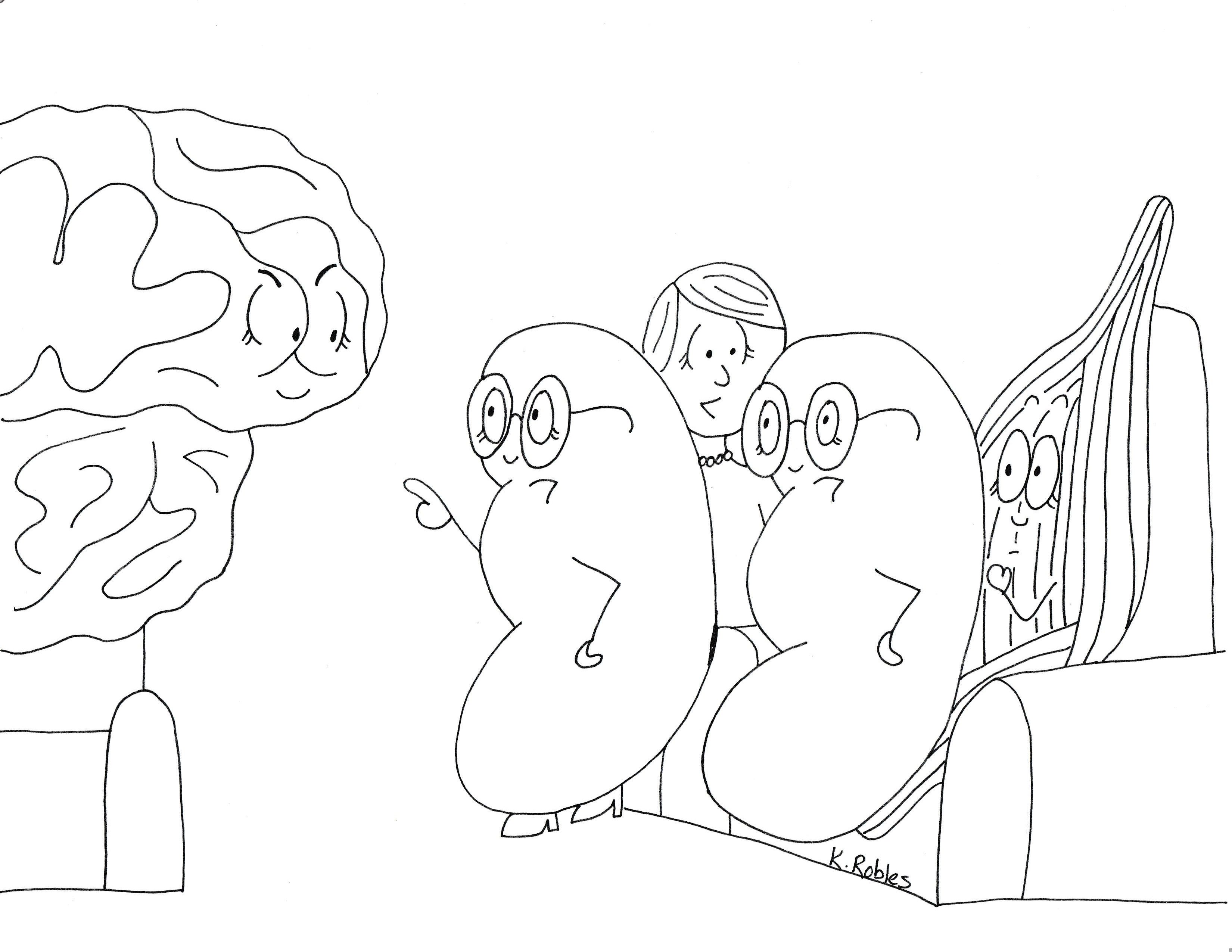
Kidney 1: Water.
Brain: Besides water.
Muscle: Protein!
Brain: Protein turns to glucose too, just like cookies.
Kidney 2: But it takes much, much longer to do so. Protein is actually a good idea, Muscle.
 Muscle: I need it to repair myself, but yeah, dude, leftovers becoming glucose is cool too.
Pancreas: Speaking of glucose, can we get a little regulation in that department?
Brain: What do you mean?
Pancreas: I mean, it’ll make my job a lot easier if you send in roughly the same amount of glucose at each meal.
Brain: How do I do that? Katie, any ideas?
Katie: There is so much information on a diabetic diet, I don’t know where to start.
Pancreas: Give us the super simple version; we’re hungry now.
Katie. Okay, first let’s talk about portions. Imagine a plate: you’re going to fill one quarter of the plate with protein, one quarter with starches or carbs, and half of the plate with non-starchy vegetables.
Brain: Wait a minute, this sounds just like your diet book.
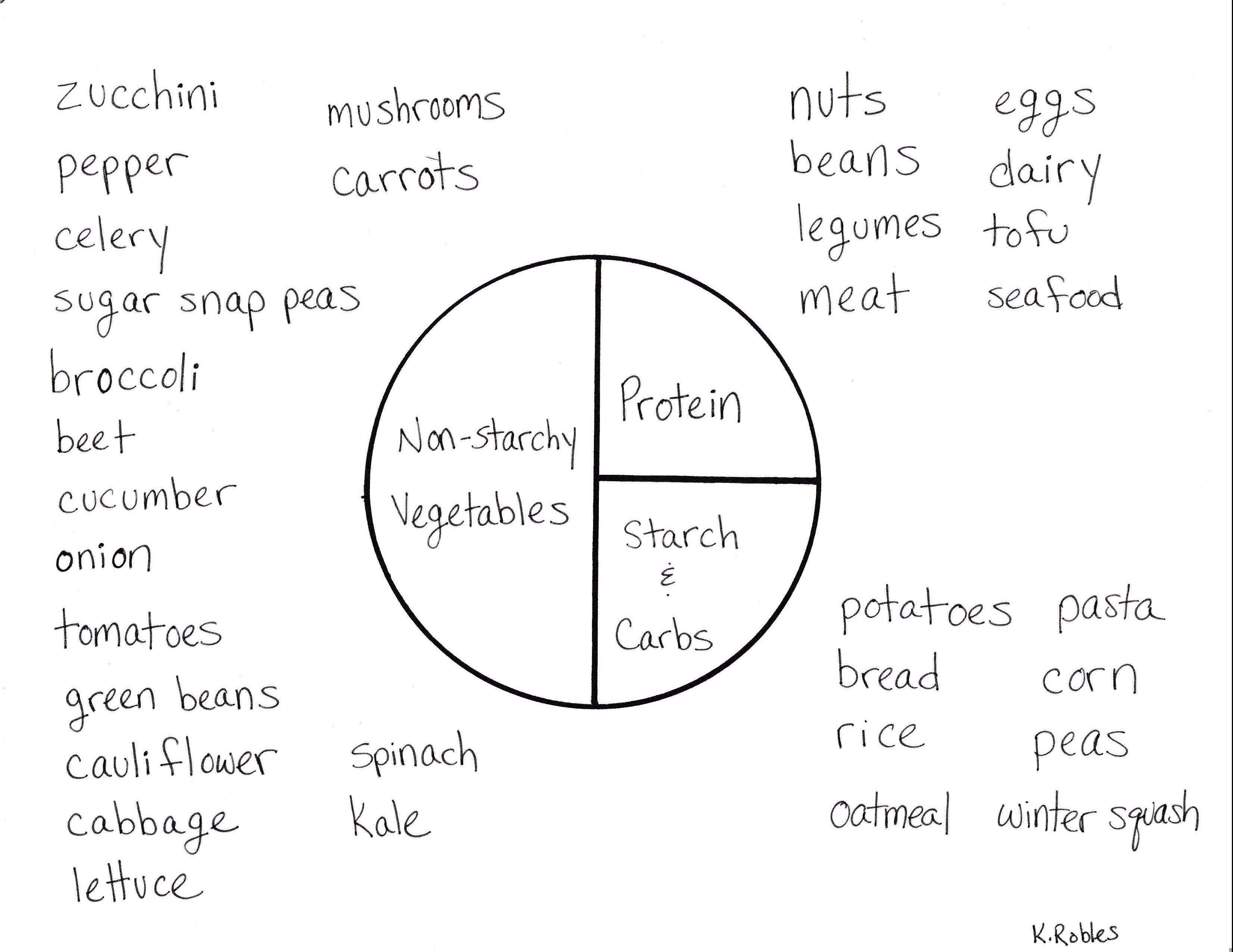 Katie: The habits that help you lose weight and get healthy are the same habits that help regulate your blood glucose level and control or prevent type two diabetes. A diabetic diet is all about balance and giving your body what it needs. It needs protein, carbohydrates, and vegetables.
Brain: Ugh, vegetables. Taste Buds aren’t going to like this.
Katie: They’ll learn to love it.
Muscle: What’s a starch?
Katie: Good question. Starchy foods are complex carbohydrates. Basically, the body breaks it down into glucose and uses it for energy. So you need protein for building and carbs for energy.
Muscle: And the non-starchy vegetables?
Katie: You need vegetables for vitamins, nutrients, fiber, stuff like that. Starchy veggies like potatoes, corn, and peas have more calories and more carbs than non-starchy vegetables like peppers or broccoli. Starchy foods—even starchy vegetables—raise your blood glucose level, so you’re going to pay special attention to them.
Pancreas: Those are the ones I want you to regulate, Brain. Send me the same amount at each meal.
Kidney 1: What else should we look out for?
Katie: Hidden sugar. Foods like cookies obviously have sugar, but dairy and fruit have natural sugars that aren’t bad for you, but will raise your blood glucose level. They’ll make more work for Pancreas.
Pancreas: I don’t like the sound of that. Can’t we slow down how fast the food is turned into glucose?
Katie: Yes, you can. Any time you eat whole grains instead of processed ones, you slow down glucose production. Whole grains have fiber and fiber makes your blood glucose level rise slowly instead of spiking.
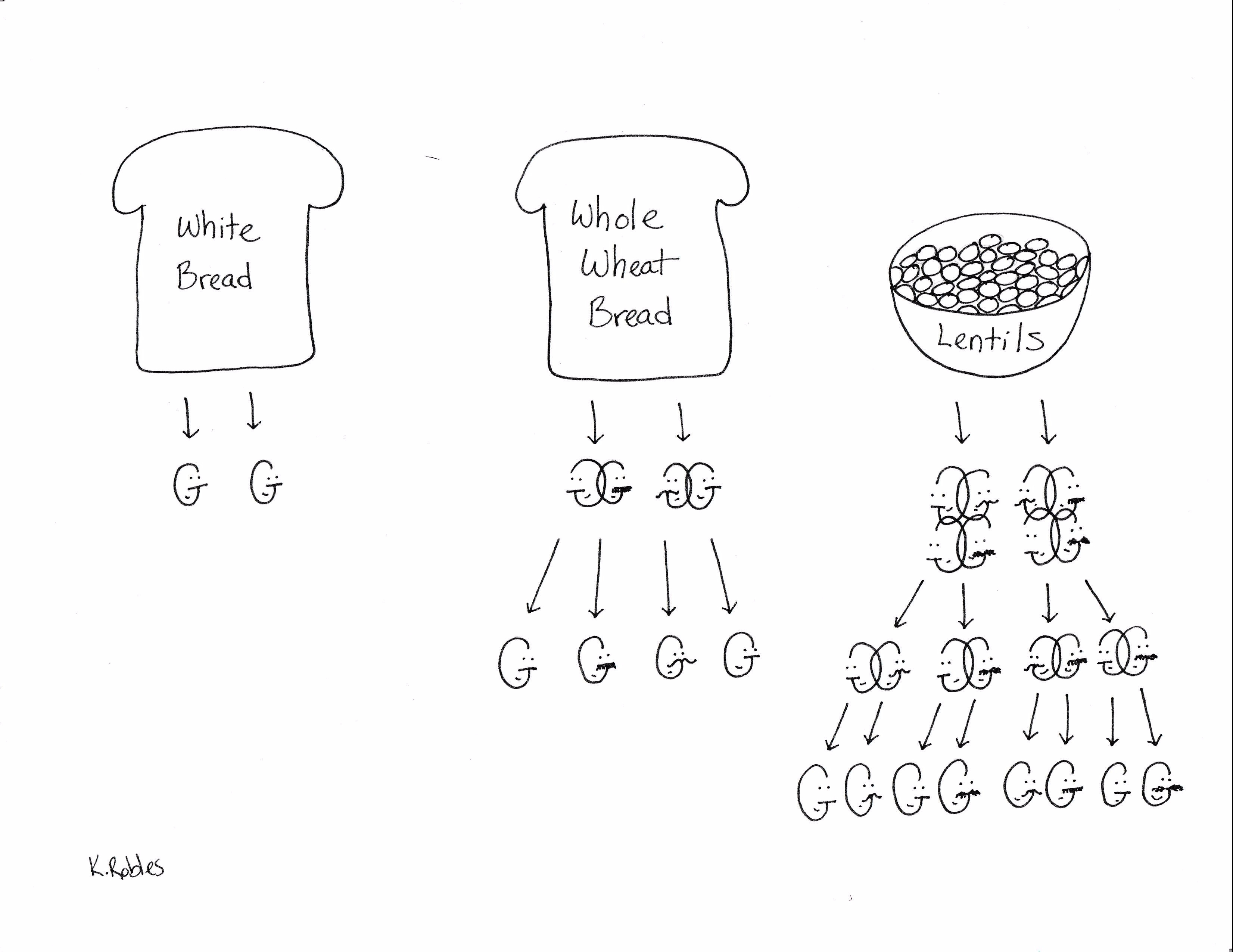 Muscle: Yo, Brain dude, can you order me a hoagie already?
Katie: One last thing: stay away from salty processed meats like deli meats and hot dogs.
Muscle: Dude, you’re killing me here!
Katie: Sorry, as a diabetic you need to be extra careful with your heart and your blood pressure. Salt and sodium increase your blood pressure.
Brain: Muscle, how about a chicken breast sandwich with lots of veggies piled on? I want you all to know that I’m going to make some changes around here. We can do this, Ladies. Working together, we can help control Body’s diabetes.
Pancreas: I told you it’s not my fault.
Brain: Don’t start that again, Pancreas, or you’ll be doing push-ups with Muscle.
Bladder: *clears throat* A toast: to a new way of life.
Kidneys, Brain, Pancreas, Muscle, Katie: Hear hear!
THE END
For more information about type two diabetes, check out the following articles:
http://healthyeating.sfgate.com/list-good-carbs-bad-carbs-6520.html
https://www.niddk.nih.gov/health-information/diabetes/types/prediabetes-insulin-resistance
http://www.everydayhealth.com/type-2-diabetes/symptoms/warning-signs-of-type-2-diabetes/#09
http://www.diabetesincontrol.com/how-high-blood-sugars-damage-blood-vessels/
https://www.sciencedaily.com/releases/2014/09/140911163219.htm
http://www.diabetes.org/?loc=logo general information diabetes type 1 and 2
https://www.endocrineweb.com/conditions/type-2-diabetes/type-2-diabetes-exercise exercise benefits
http://www.diabetesforecast.org/2015/jan-feb/13-best-sleep-tips.html?referrer=https://www.google.com/ sleep connection
https://www.ncbi.nlm.nih.gov/pmc/articles/PMC2992225/ exercise
https://www.diabetesselfmanagement.com/blog/drink-more-water/ water and diabetes
http://www.diabetes.co.uk/dehydration-and-diabetes.html water and diabetes
http://www.livestrong.com/article/239458-how-does-dehydration-affect-blood-glucose-levels/ water and diabetes
http://www.webmd.com/sleep-disorders/features/diabetes-lack-of-sleep#1 sleep connection
http://www.health.com/health/condition-article/0,,20188164,00.html Belly Fat Connection
http://www.webmd.com/diabetes/news/20050310/exercise-must-for-losing-deep-belly-fat Belly Fat
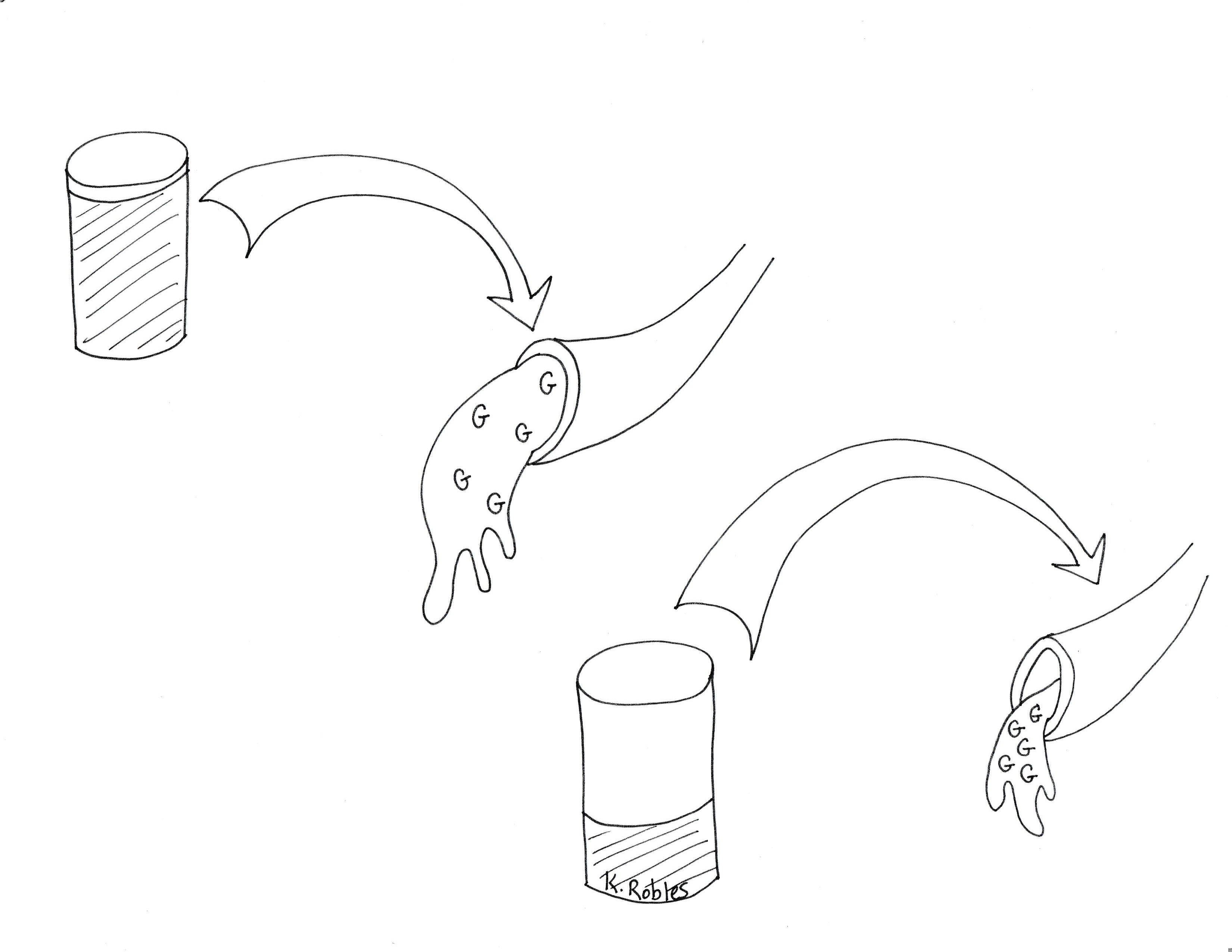
 Kidney 1: We need Liver to help suck up the extra glucose from the blood. Let her go.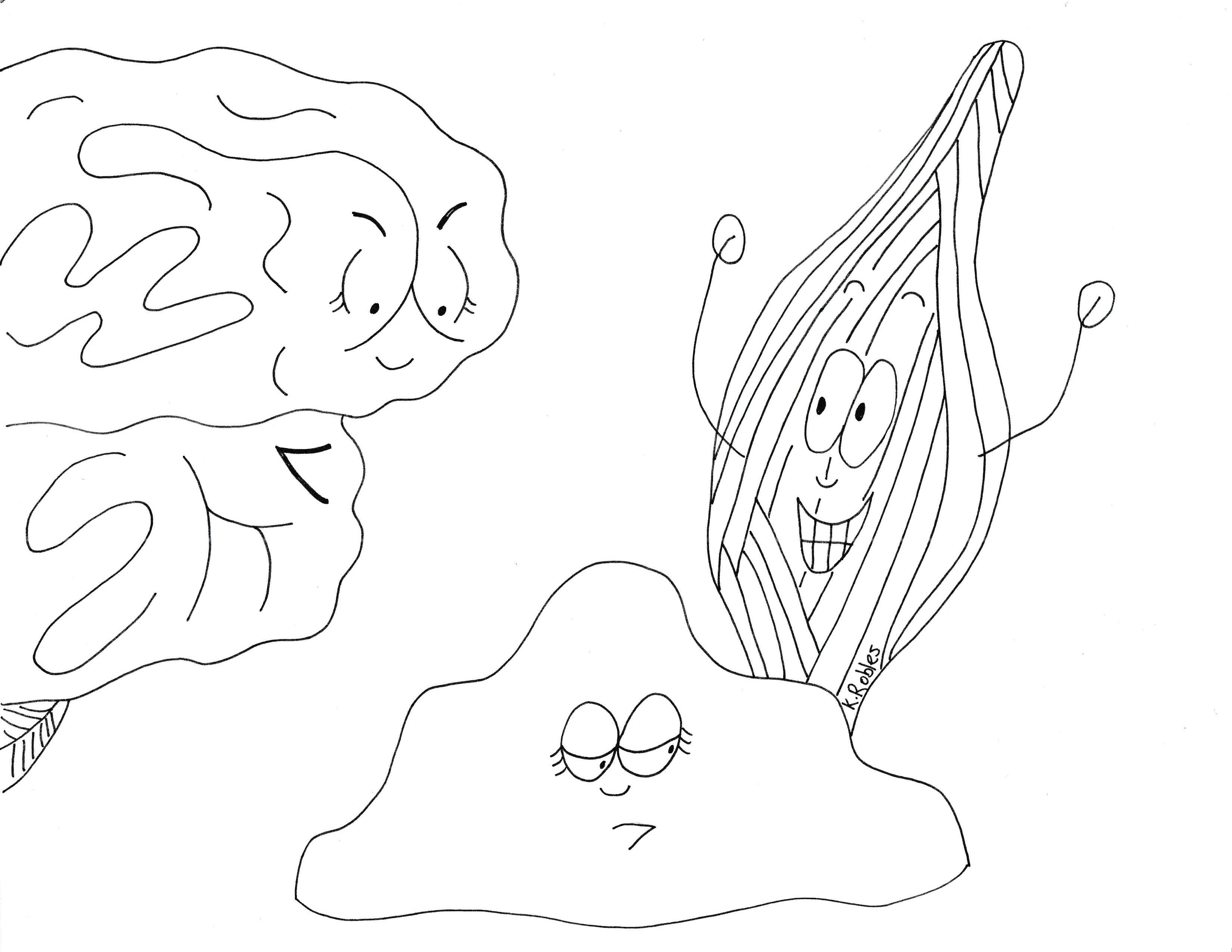
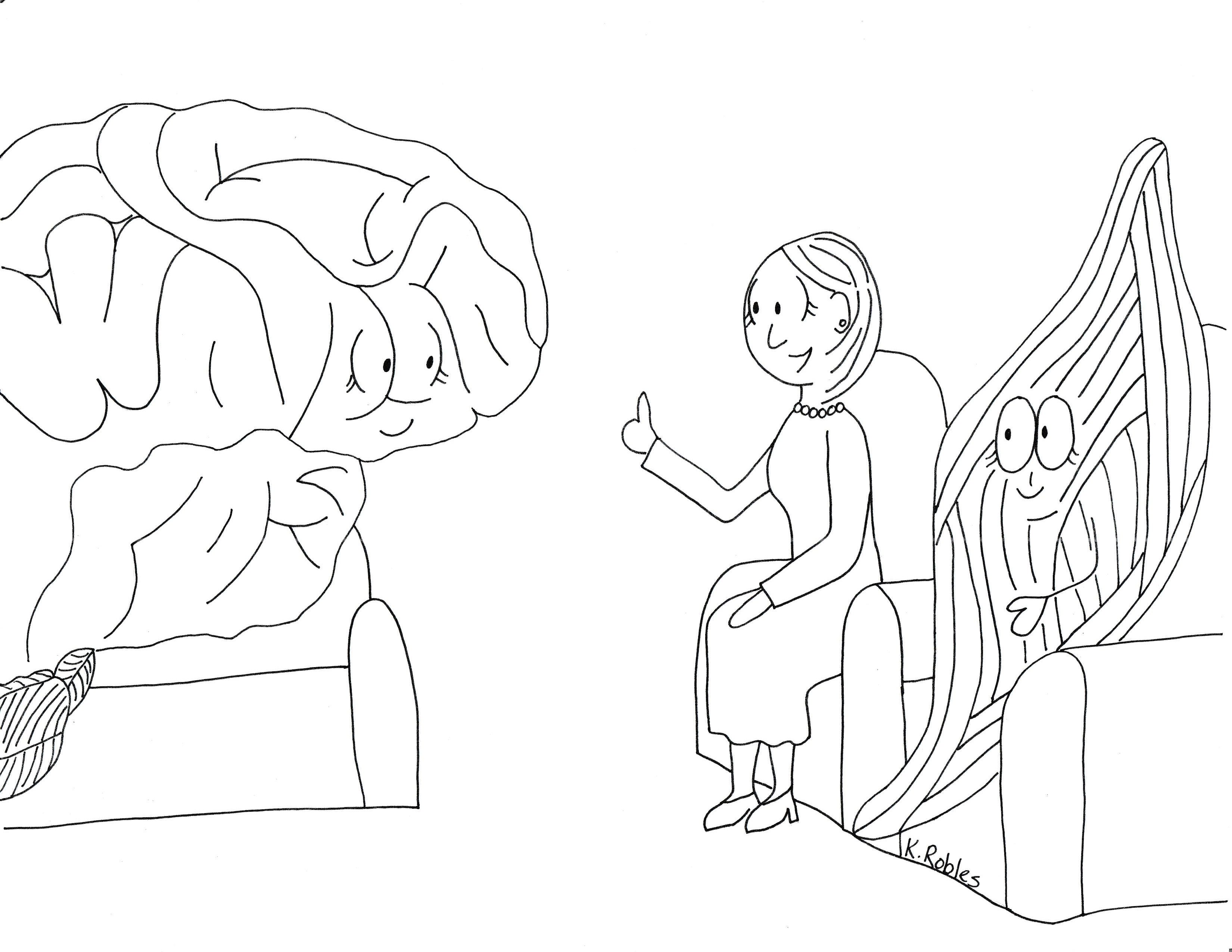

 Muscle: It’s this stuff that gives me energy. I store it until I need it. I’ve been dying to use it, man, but Brain’s been keeping me on the bench.
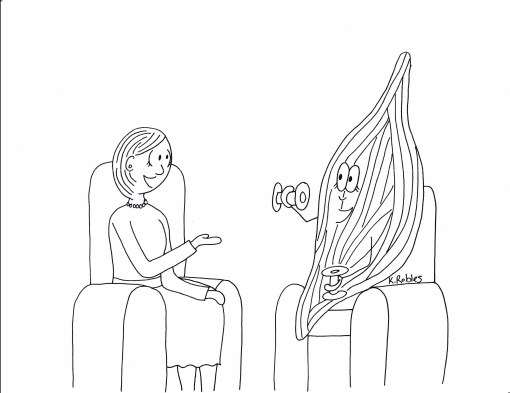
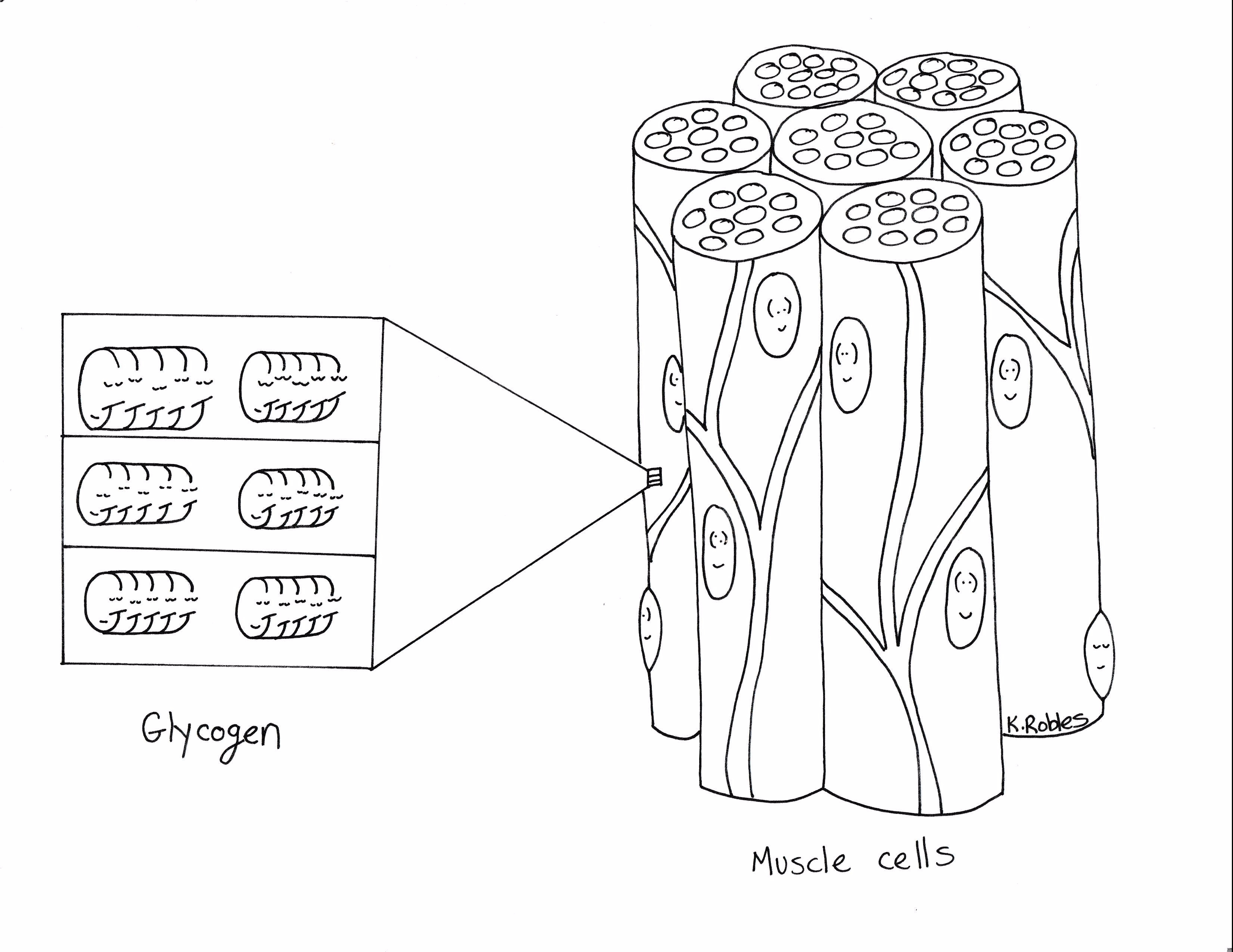 Katie: So if Body had exercised when she was insulin resistant, then you, Muscle, could have lowered her blood glucose level without insulin?
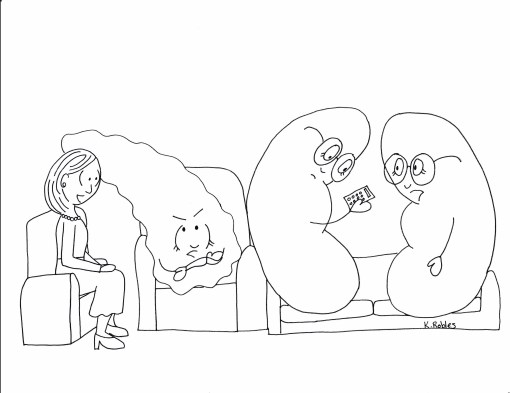 Kidney 1: Hi, Katie. Hello, Pancreas. You certainly keep us busy.
 Pancreas: You’re not the only ones.
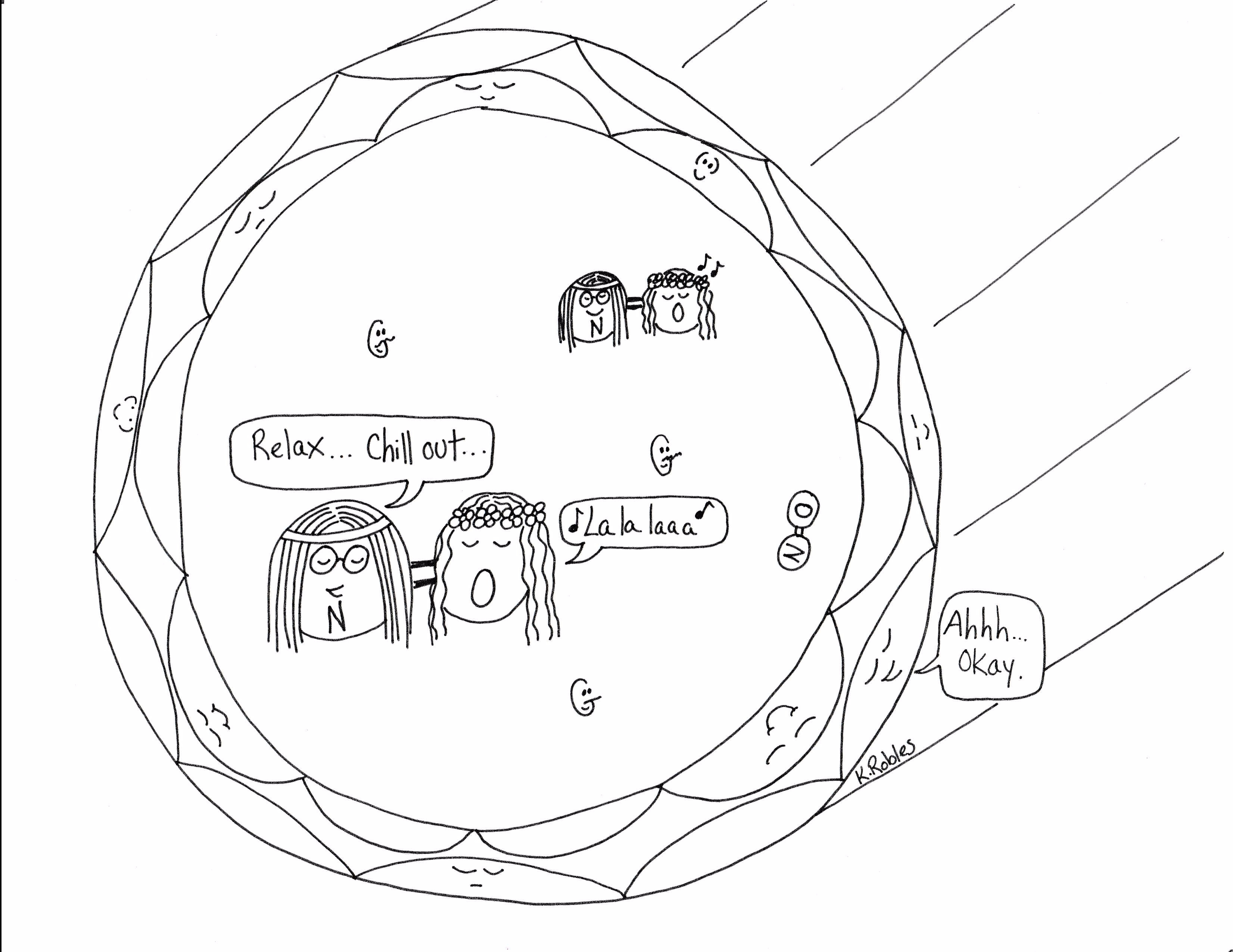 Katie: Ladies, can we agree that you all look exhausted and move on from there? Thank you. Now, what would happen if you all took a day off? What’s so bad about the blood glucose levels being high for a while?
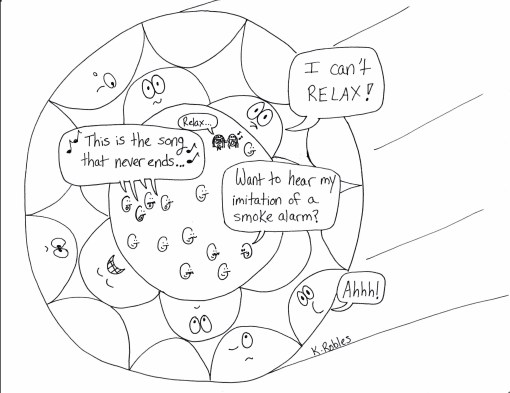 Kidney 2: The nerves become damaged. It’s called neuropathy. Sometimes neuropathy causes pain or tingling and sometimes it causes numbness.
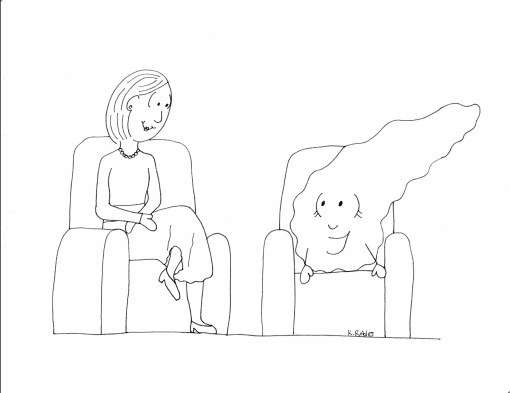 Katie: Isn’t diabetes—in its essence—a lack of insulin? And as the pancreas, isn’t it your job to make insulin?
 Pancreas: You know what glucose is?
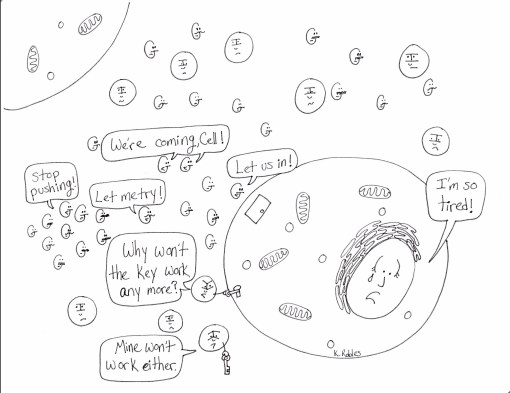
 Pancreas: That’s right. Without insulin, the cell doors stay locked tight and glucose stays in the blood.
 Katie: What do you want our audience to know, Pancreas? Set the record straight for us.
 How does Batman the Exerciser lower cancer risk? There are three theories:
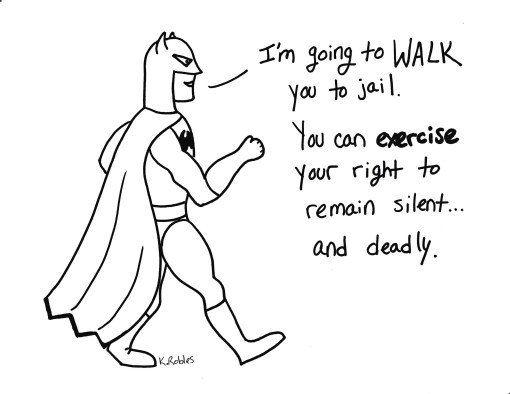 So what came first? The Fat or the out of whack Hormones? The sluggish colon or the sluggish human? We’ll leave that to the chickens and the eggs because we know the solution: Batman the Exerciser!





 Sex, Soup, and 2 Fisted Eating