Last week we talked about global body shipping and how high blood pressure (also called hypertension) can damage our body. This week we’ll look at the leading causes of hypertension and what we can do about them.
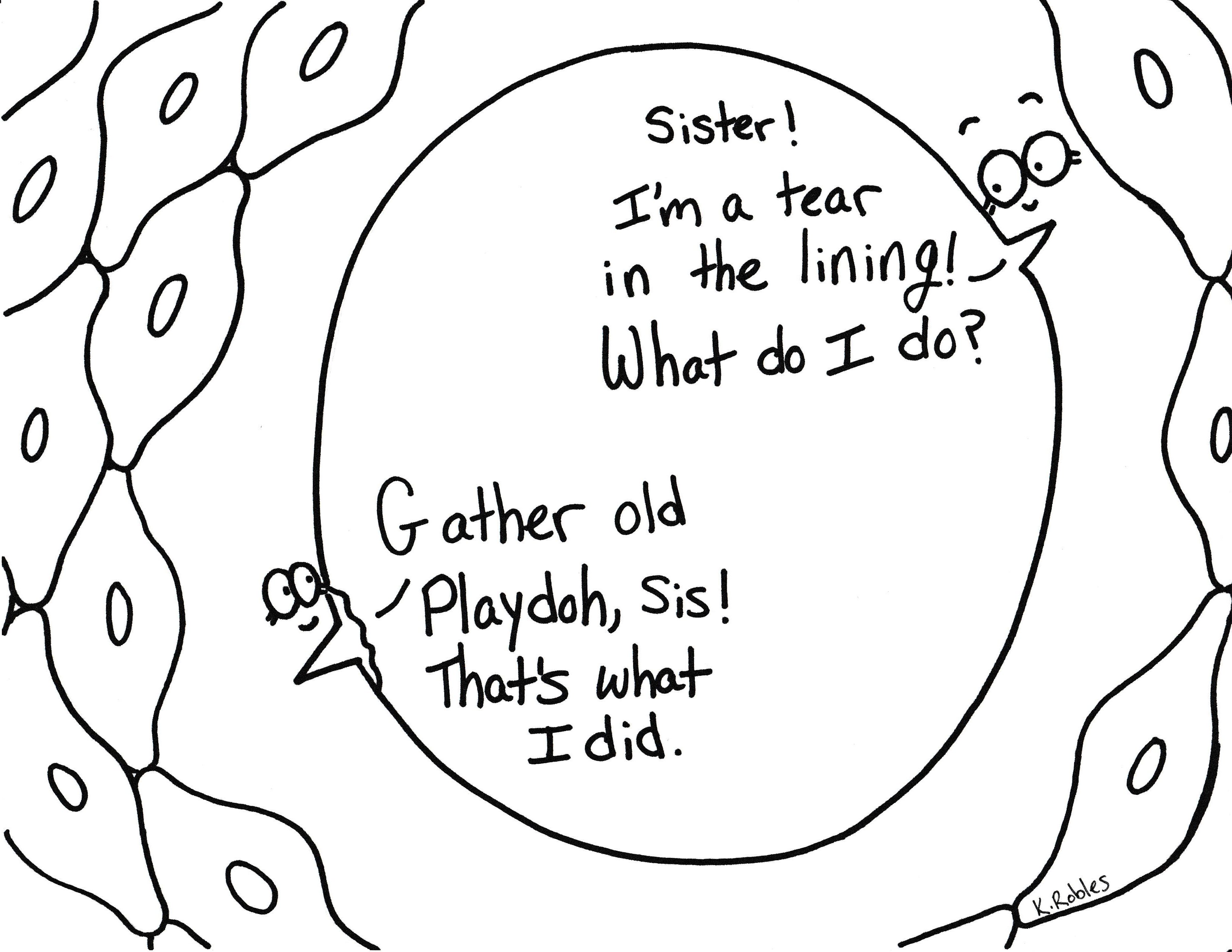
Atherosclerosis – This is a big word that I like to call Gather-old-Playdoh-sis. You know how new Playdoh is soft and pliable and so pretty you just want to eat it? That’s how blood vessels are supposed to be. Over time Playdoh hardens and shrinks as it dries out and that’s what happens in your blood vessels. Blood vessel linings gets pot holes, cholesterol fills in the pot holes and hardens there like Playdoh, and then your blood vessel can’t expand and contract easily like it used to.
Atherosclerosis can be prevented or slowed by exercising and eating a diet high in plant parts. Diet and exercise prevent pot holes from forming and reduce the amount of fat Playdoh in the blood looking for a pot hole. Science isn’t sure if hypertension increases atherosclerosis or if atherosclerosis increases hypertension. They do know that exercise and eating greens helps decrease both. It’s kind of like the “What came first: the chicken or the egg?” debate. Answer? Doesn’t matter; they’re both delicious. Eat your greens and move your body and don’t worry about it.
 Sleep Apnea – More than half of people with hypertension also have sleep apnea, so scientists are pretty sure there’s a connection. (Let’s face it: when we talk about the human body, there is always a connection.) High blood pressure can trigger sleep apnea which causes poor sleep or a lack of sleep which raises your blood pressure which can trigger sleep apnea. A doctor can direct you to a helpful mask to improve your sleep. You can also lose weight and exercise.
Smoking and Drinking – Stop smoking and don’t drink more than 1-2 alcoholic drinks per day. Yes, I am a party pooper.
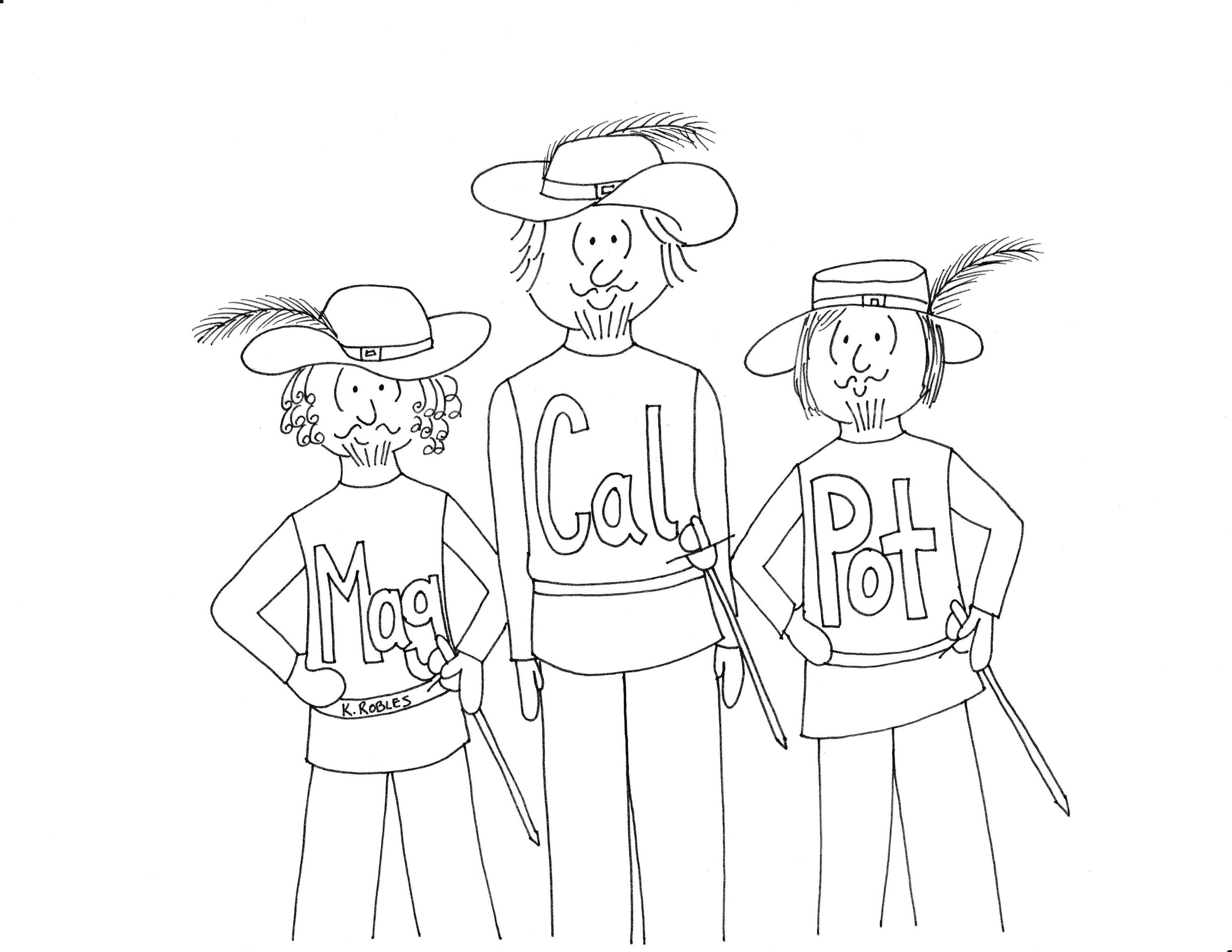
Too much salt – Remember how your blood vessel walls are made of smooth muscle? Blood pressure is all about those wall muscles being able to relax to let blood flow. For the walls to relax and contract regularly, they need regulators: namely the Three Musketeers (or the Three MagCalPots): magnesium, calcium, and potassium. There is a connection between hypertension and insufficient magnesium, calcium, and potassium and it may have something to do with salt.
You see, Salt is supposed to be the fourth musketeer, but he went off and recruited so many many many of his friends that they turned evil and wrought havoc. The Three Musketeers must be present to balance out Salt and his friends; if there aren’t enough of the Three MagCalPots, then Salt wins and blood pressure goes up. You can help the Musketeers by putting less salt and more magnesium, calcium, and potassium in your mouth.
By the way, it’s recommended that you eat no more than 1 teaspoon (2300 mg) of sodium (salt) each day. The ideal goal is 1500 mg, but Americans eat so much sodium that even cutting down to 2300 is a plus. Be aware that 75% of the sodium most of us eat is in processed, pre-packaged, and restaurant foods, not the salt shaker.
 Genetics and Family History – hypertension runs in the family. If hypertension runs in your family, it’s even more important that you exercise and eat well. Sorry. Maybe you also inherited a sharp wit or great hair.
Note: I should to point out that the medical community isn’t 100% sure what causes hypertension. They observe connections between hypertension and heart attacks, atherosclerosis, sleep apnea, etc., and make highly educated guesses. They also observe the connections between healthy habits and improved hypertension and make highly educated recommendations. What is 100% certain? We can take hypertension as the warning sign it is and make healthy changes.
We were under great pressure, far beyond our ability to endure, so that we despaired of life itself. But this happened that we might not rely on ourselves but on God, who raises the dead. 2 Corinthians 1:8b, 9b
All these changes stressing you out? Take Heart: Stress and Heart Health
References:
Mayo Clinic http://www.mayoclinic.org/diseases-conditions/high-blood-pressure/in-depth/high-blood-pressure/art-20045868
Web MD https://www.webmd.com/hypertension-high-blood-pressure/guide/blood-pressure-causes#1
Calcium and hypertension https://www.ncbi.nlm.nih.gov/pubmed/2448982
Calcium and hypertension https://www.livestrong.com/article/149390-calcium-and-hypertension/
Potassium and Calcium https://www.everydayhealth.com/hypertension/get-your-minerals.aspx
Calcium https://www.healthcentral.com/article/lower-high-blood-pressure-with-calcium
Sodium https://sodiumbreakup.heart.org/how_much_sodium_should_i_eat
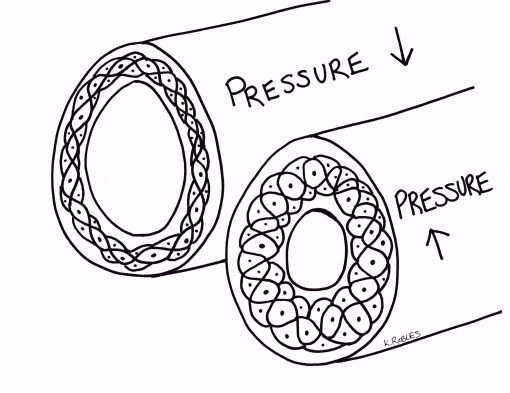 These smooth muscles move involuntarily (i.e. you can’t control them like an arm or a finger) to regulate the volume of blood in the vessel and how forcefully that blood flows. Blood vessels are not passive garden hoses but more like millions of tiny fans keeping the wave going in a tubular stadium. This is mind blowingly cool, but what does it have to do with hypertension and heart health?
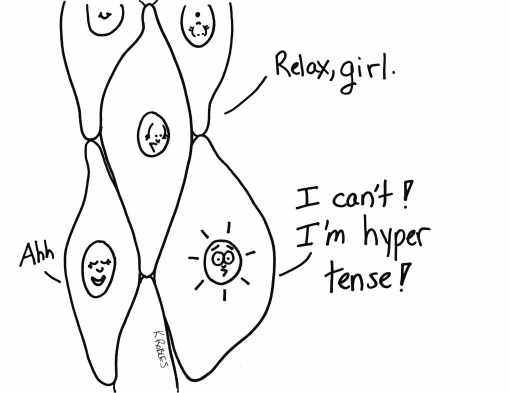 Hypertension is a warning sign that blood is not flowing well in the body. Blood pressure goes up because the blood has to press harder to get through the vessels, i.e. the heart pumps extra hard. In our shipping analogy, hypertension is all of the sailors working harder and harder to get the ships to the docks, but not getting there any faster than they used to. After years of hard sailing, shipments are delayed or detoured and the sailors simply can’t sail up every tiny tributary like they used to because the way is clogged with pollution or traffic. Any body part of the world that receives fewer shipments than necessary will suffer. Another way to say it is that if a body part lacks blood, it also lacks oxygen which it needs for energy producing reactions within the cells, so it will not have energy and cells will die. If enough cells die, we develop symptoms.
 Africa is home to the Sahara Desert which has the most uninterrupted view in the world (I’m guessing) from the top of a dune on a cloudless day. Africa represents our eyes and hypertension is a sand storm. Eyes need nourishing blood to see properly and when they don’t get enough, vision can become blurry or be lost completely.
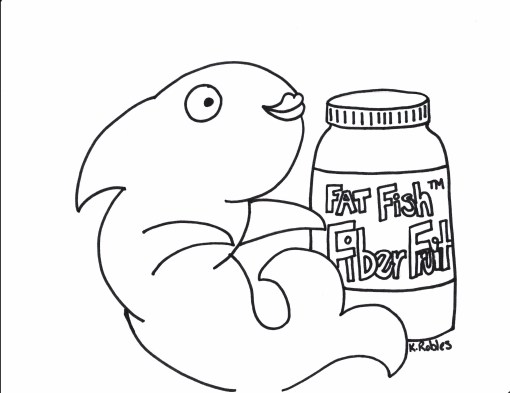 Fat Fish™ is the leading producer of unsaturated fat (both mono and poly styles) which your heart craves. Fat Fish™ also gives your body plenty of Omega-3 fatty acids to reduce plaque buildup and triglyceride fat in the arteries, slightly lower blood pressure, and reduce the risk of irregular heart beat. But wait, there’s more!
 Fat: Eat good fats (i.e. mono-unsaturated or poly-unsaturated) like those found in nuts, avocados, and some fish. If the fat comes from a plant, it’s good. If it comes from a land animal (cheese, bacon, red meat, etc) it’s bad and should be limited and savored.
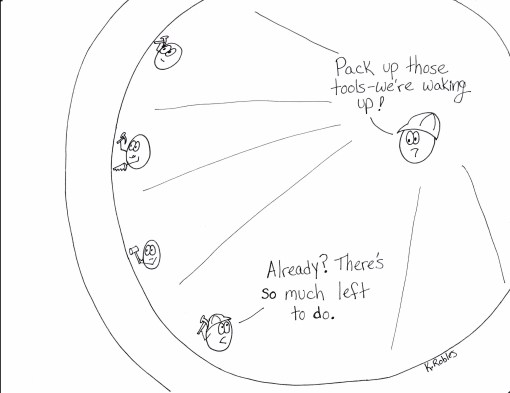 Most things in life require maintenance and HeartDOT’s system of oxygenated transportation is no different. When does HeartDOT plow and salt the roads after it snows? At night. When does HeartDOT do construction on busy highways? At night. When are HeartDOT’s rest stops cleaned and restocked? At night.
 It’s not just your heart that suffers from little or poor sleep. Short sleepers are more likely to be obese and suffer from type two diabetes as well. Those who are tired are less likely to exercise and less likely to make good food choices. (Duh! We’ve all been there; we don’t need science to tell us that.) When you are sleep deprived, you even produce more ghrelin, a hormone that makes you feel hungry.
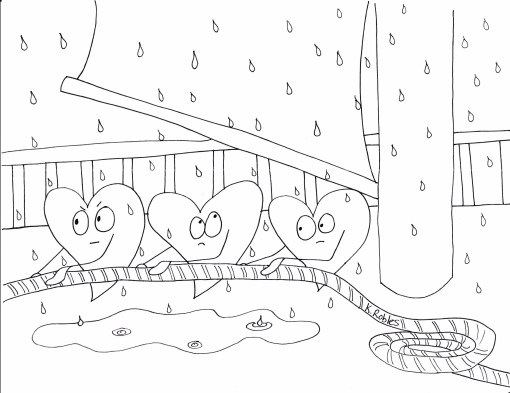
 Exercise is a storm for your heart. Exercise makes your heart work harder for a while which at first can feel like you’re being keelhauled*, but your heart is a fast learner. Before long it’s so used to the battening down the hatches that when your heart is at rest, it can take it easy. Studies show that the resting heart rate of people who exercise is lower than the resting heart rate of landlubbers*. A lubber’s heart (land or otherwise) is not being challenged, so it’s weaker and has to work harder to do less than an exercised heart. More storms makes for better sailors.
 Inactivity (keeping your ship docked, so to speak) is one of the major risk factors for heart disease. Exercise lowers your risk for heart disease by 45%. And that’s exercise at the recommended 2.5 hours of exercise every week level. Even if you’re a landlubber who spends most of her time in the brig and only halfheartedly hoists the mainsail, you’re still reducing your risk of heart disease by a LOT. Anchors aweigh! By the way, those recommended 2.5 hours can be 30 minutes per day five days per week, or 2.5 hours on a weekend, or 25 ten minute bouts of movement sprinkled throughout the week. A bit of climbing the rigging here, a bit of casting off there, maybe a bit of barnacle removal just for fun. Your heart gets stronger with every minute of exercise you do.
 Here are some heart-pumping exercise ideas to get you started:
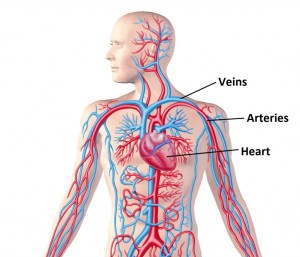 Your heart contracts (or pumps) rhythmically every second of every day of every year of your life. The force of the contraction (labor flashback! Anybody else grimace when they read that phrase?) pushes the blood through the arteries beginning with the big ones near the heart and ending with the teeny tiny itsy bitsy yellow polka dot bikini capillaries in your toes, organs, eyeballs, and everywhere in between.
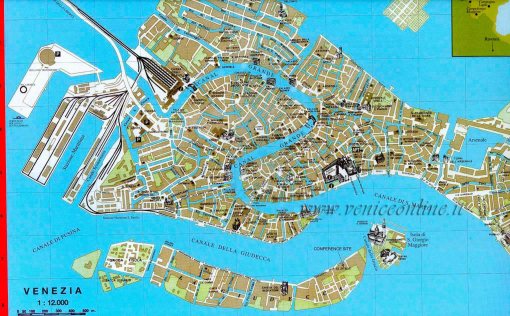 HeartDOT makes sure that traffic keeps moving. Blood delivers oxygen, nutrients, medical personnel (white blood cells), hormones, repair crews, and a host of other goods and services to the body. It also transports the body’s junk (dead viruses, bacteria, toxins, etc) to the Kidney Export Service for permanent removal from the body. HeartDOT doesn’t make the goods or the trash, it just keeps the flow moving.
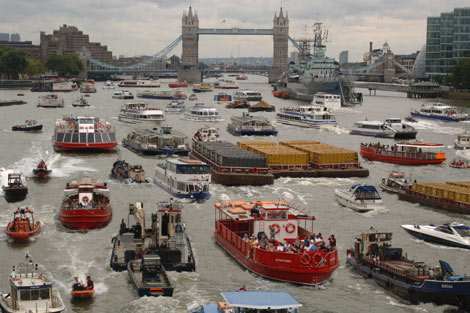 Now imagine that transportation around Venice is not shut down, but travel has slowed. Storms have washed silt into the waterways, making them narrower. A tanker sank in the lagoon and traffic bottlenecks as vessels go around it. Priority is given to those carrying food and oxygen, but repair crews are delayed and trash removal is minimal.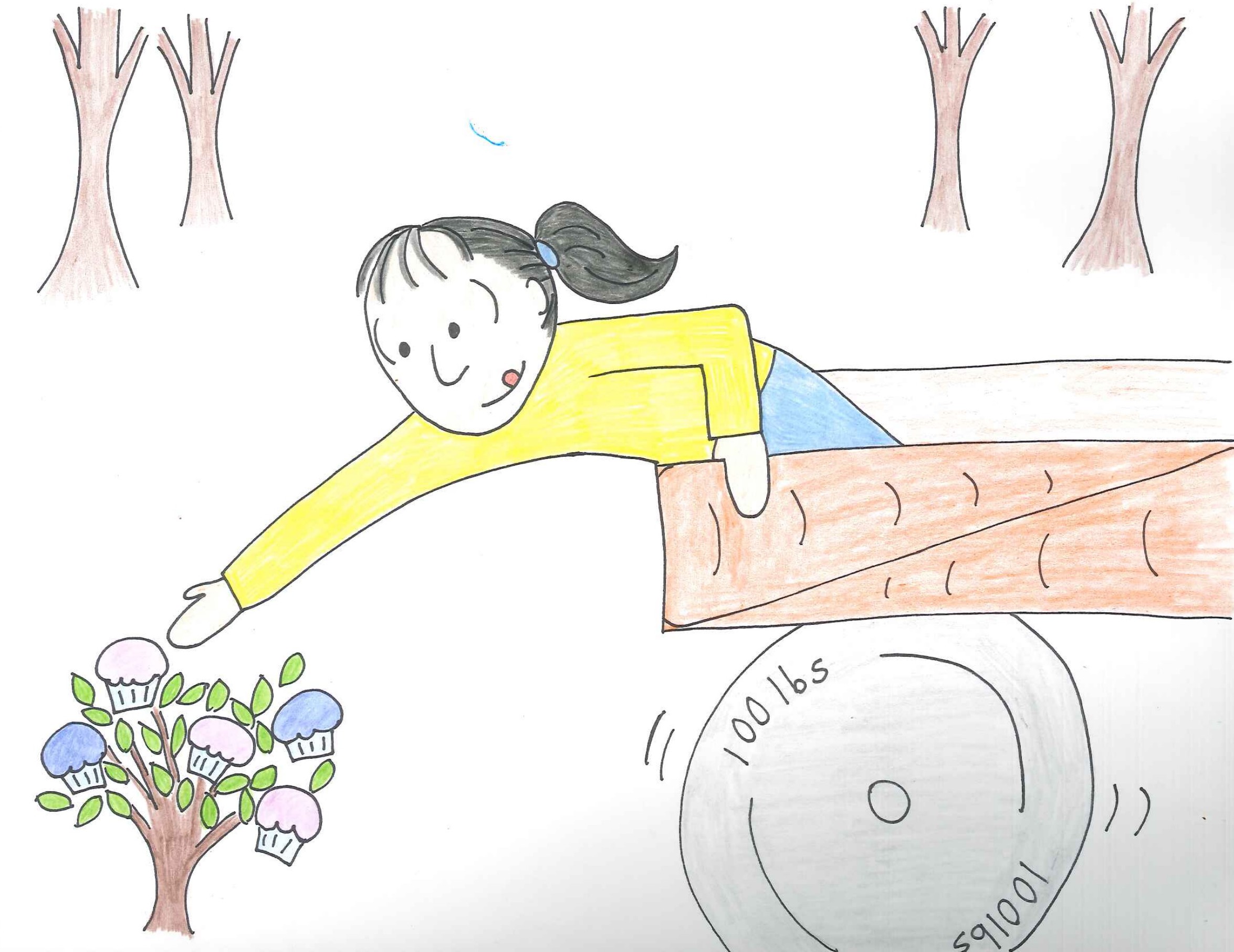
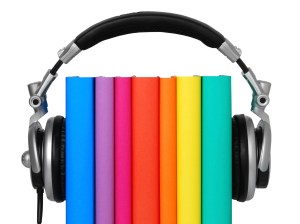 Cook with your ears. Listen to an audio book while you cook or put on some music that’ll make your toes and your chopping knife tap together. If the audio book is a tear jerker, chop up a bag of onions and freeze the extra for later.
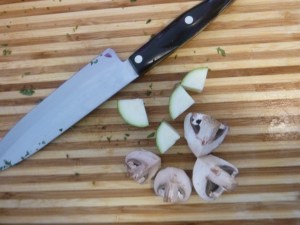 Rise and reward. Rise early twice a week to prep your recipes: chop the veggies or measure spices and save them in a little container. Get your ingredients set so that when you’re tired and hungry and it’s time to cook dinner, all you have to do is heat the pan and throw it all together. Or, in the case of a casserole, throw it in the oven. Reward yourself for your early effort with a special coffee or a favorite fruit salad. For many moms, being able to cook in peace and quiet in the early hours is a reward unto itself. If you use a slow cooker, your meal can be ready and waiting when you walk in the door.
 This last suggestion is my favorite: host a Chop and Chat. Invite a friend over and cook together. Yes, you will have different tastes and styles, but you will learn from each other and the cooking is accomplished—that’s the point, after all. Make salad together, scrape and cut carrot sticks for snacking, make a batch of soup or a fruit salad. We get together with friends to talk, but why not make our hands as productive as our mouths?
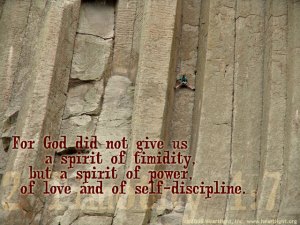 For the Spirit God gave us gives us power—YES!—and love—YES!—and self-discipline—um, say what now?
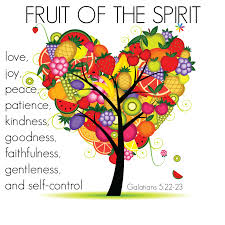 God wants me to control my body. Self-discipline helps me say no to sin when I want to do what I know is wrong. Self-discipline helps me make time each day to pray and read the Bible when a thousand other ways to spend my time seem more urgent. And self-discipline helps me do what I need to do to get healthy.
 Sex, Soup, and 2 Fisted Eating