Imagine that you’re a sailor on a sailboat. You and your four friends have been trained to sail, but you’re still new at it. The wind pushes you along peacefully for a while, but then a storm rises. It’s all hands on deck, working frantically against the wind and waves. You make it through that storm and a few more that follow and then one day you realize that you and your friends are stronger, faster, and better sailors than you were before that first storm. When the weather is good, it only takes three of you to man the boat where it once took all five.
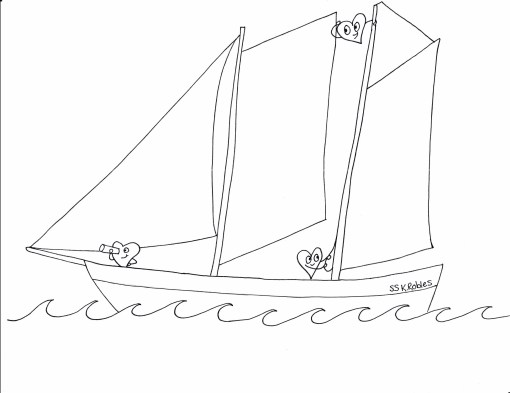 Exercise is a storm for your heart. Exercise makes your heart work harder for a while which at first can feel like you’re being keelhauled*, but your heart is a fast learner. Before long it’s so used to the battening down the hatches that when your heart is at rest, it can take it easy. Studies show that the resting heart rate of people who exercise is lower than the resting heart rate of landlubbers*. A lubber’s heart (land or otherwise) is not being challenged, so it’s weaker and has to work harder to do less than an exercised heart. More storms makes for better sailors.
Storms have a way of cleaning the air because the extra wind and water (i.e. rain) remove the dust and particles. When you exercise, your blood moves faster which allows it to pulse into every tiny capillary at the tips of your fingers and toes. This allows the blood to bring more oxygen and nutrients to the cells and allows it to remove more junk from those cells. The strong blood flow also helps keep the arteries themselves clean, flexible, and inflammation free. It’s like a storm watering your garden and cleaning the air at the same time. Or sailors scrubbing the deck from jib to mizzenmast. Those are officially now my favorite sailing terms.
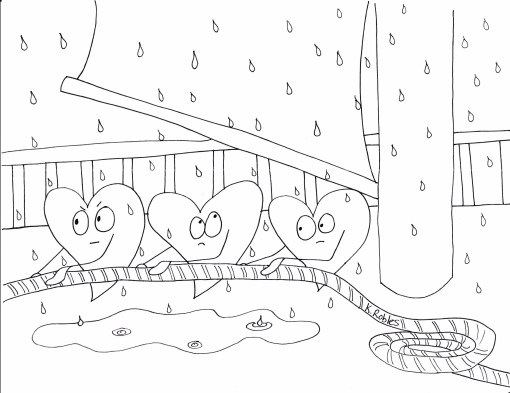 Inactivity (keeping your ship docked, so to speak) is one of the major risk factors for heart disease. Exercise lowers your risk for heart disease by 45%. And that’s exercise at the recommended 2.5 hours of exercise every week level. Even if you’re a landlubber who spends most of her time in the brig and only halfheartedly hoists the mainsail, you’re still reducing your risk of heart disease by a LOT. Anchors aweigh! By the way, those recommended 2.5 hours can be 30 minutes per day five days per week, or 2.5 hours on a weekend, or 25 ten minute bouts of movement sprinkled throughout the week. A bit of climbing the rigging here, a bit of casting off there, maybe a bit of barnacle removal just for fun. Your heart gets stronger with every minute of exercise you do.
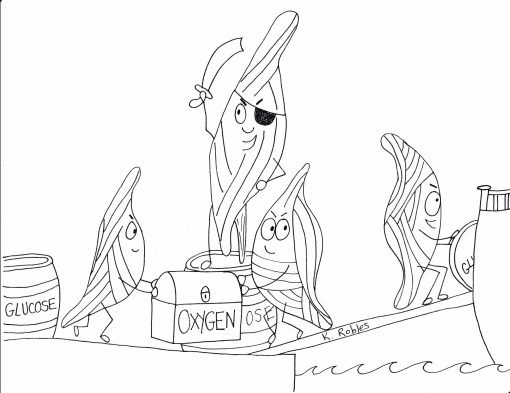
We can’t talk about sailing without adding pirates to the mix. Arr, Matey, did you know that your muscles are pirates? Well, they are when you exercise! Our bodies have strict rules about how oxygen is transported, how glucose is absorbed, and so on. When an exercise storm hits, pirates can break those rules. Under the strain of exercise, your pirate muscles are able to steal oxygen and glucose (i.e. energy) straight from the blood instead of waiting for a delivery. This is a very good thing. The heart has to deliver oxygen and glucose to the muscles anyway, so pirate muscles save it some work. I never said they were smart pirates; just that they steal.
 Here are some heart-pumping exercise ideas to get you started:
Walking (to the mailbox, across the parking lot, around the block, etc), biking, running (after toddlers, not your mouth), jogging, vacuuming (under the beds counts double in my book), gardening, roller skating, swimming, jumping (like on a trampoline, not when you see a spider), playing tag (as in chase, not on social media), taking the stairs, jumping jacks (or jills or up the hills).
*Keelhauled: a truly awful punishment from sailing days that usually ended in death. Exercise can feel uncomfortable, but if it feels like you’re tied to a rope and being passed under the keel of a ship, maybe pick a different exercise.
*Landlubber: a lubber is old slang for a person who is lazy. Sailors added the land part to make fun of non-sailors. In modern terms we say “couch potato”.
Jesus replied: “‘Love the Lord your God with all your heart and with all your soul and with all your mind.’ Matthew 22:37
Sail back next week for Her Heart Sank onto the Bed: Sleep and Heart Health
References:
Sailing terms – http://brethrencoast.com/Pirate_Glossary.html
Exercise and heart health – http://www.nytimes.com/health/guides/specialtopic/physical-activity/exercise’s-effects-on-the-heart.html?print=1&mcubz=3
Exercise and heart health – http://www.hopkinsmedicine.org/heart_vascular_institute/clinical_services/centers_excellence/womens_cardiovascular_health_center/patient_information/health_topics/exercise_heart.html
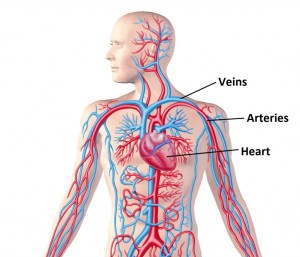 Your heart contracts (or pumps) rhythmically every second of every day of every year of your life. The force of the contraction (labor flashback! Anybody else grimace when they read that phrase?) pushes the blood through the arteries beginning with the big ones near the heart and ending with the teeny tiny itsy bitsy yellow polka dot bikini capillaries in your toes, organs, eyeballs, and everywhere in between.
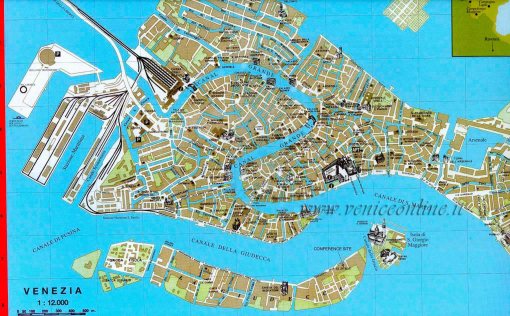 HeartDOT makes sure that traffic keeps moving. Blood delivers oxygen, nutrients, medical personnel (white blood cells), hormones, repair crews, and a host of other goods and services to the body. It also transports the body’s junk (dead viruses, bacteria, toxins, etc) to the Kidney Export Service for permanent removal from the body. HeartDOT doesn’t make the goods or the trash, it just keeps the flow moving.
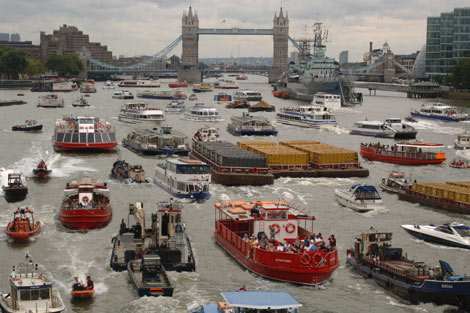 Now imagine that transportation around Venice is not shut down, but travel has slowed. Storms have washed silt into the waterways, making them narrower. A tanker sank in the lagoon and traffic bottlenecks as vessels go around it. Priority is given to those carrying food and oxygen, but repair crews are delayed and trash removal is minimal.
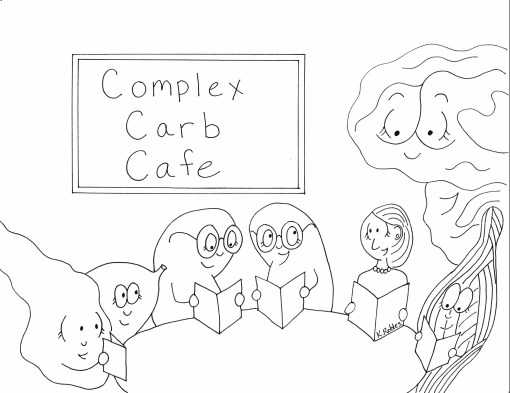 Muscle: I need it to repair myself, but yeah, dude, leftovers becoming glucose is cool too.
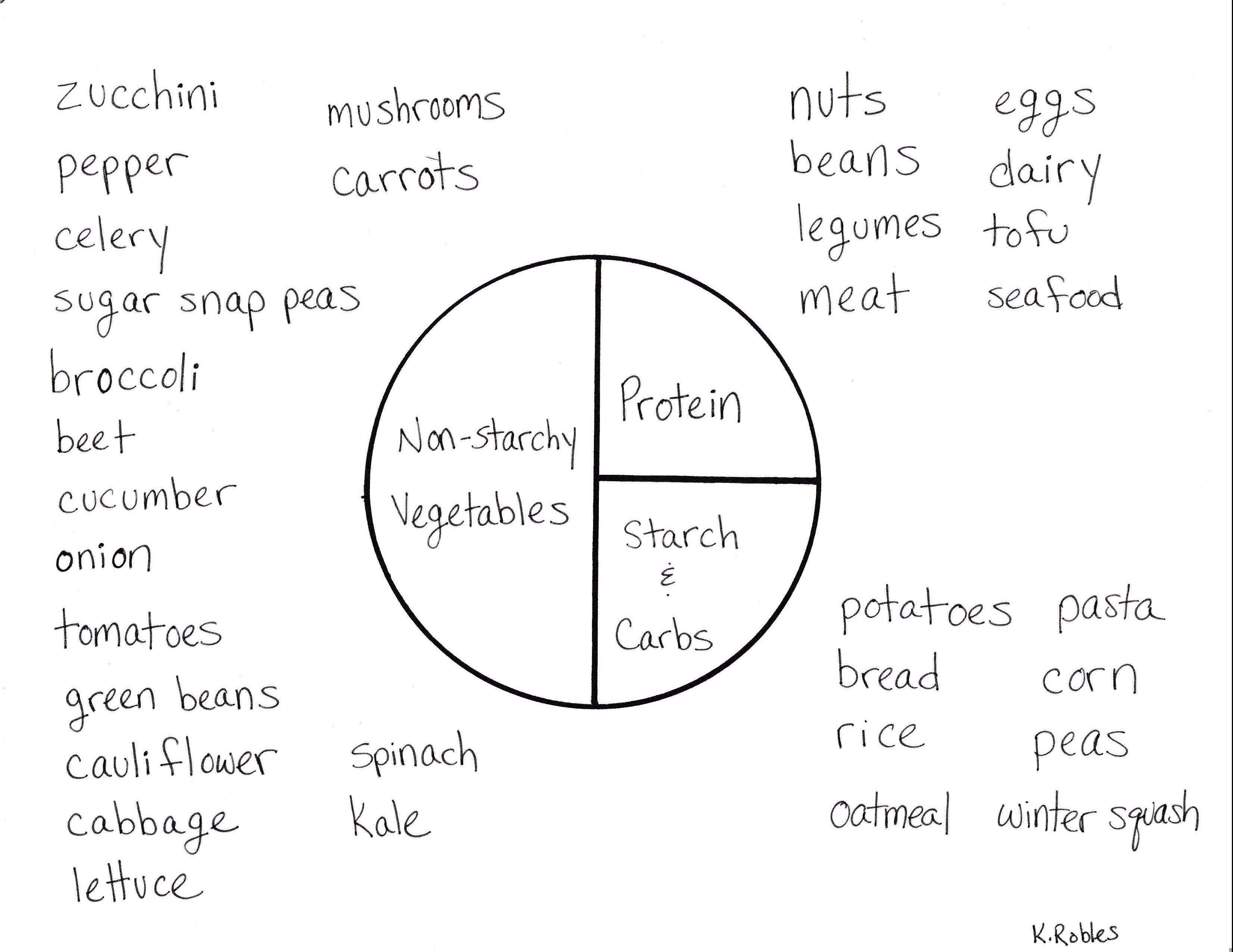 Katie: The habits that help you lose weight and get healthy are the same habits that help regulate your blood glucose level and control or prevent type two diabetes. A diabetic diet is all about balance and giving your body what it needs. It needs protein, carbohydrates, and vegetables.
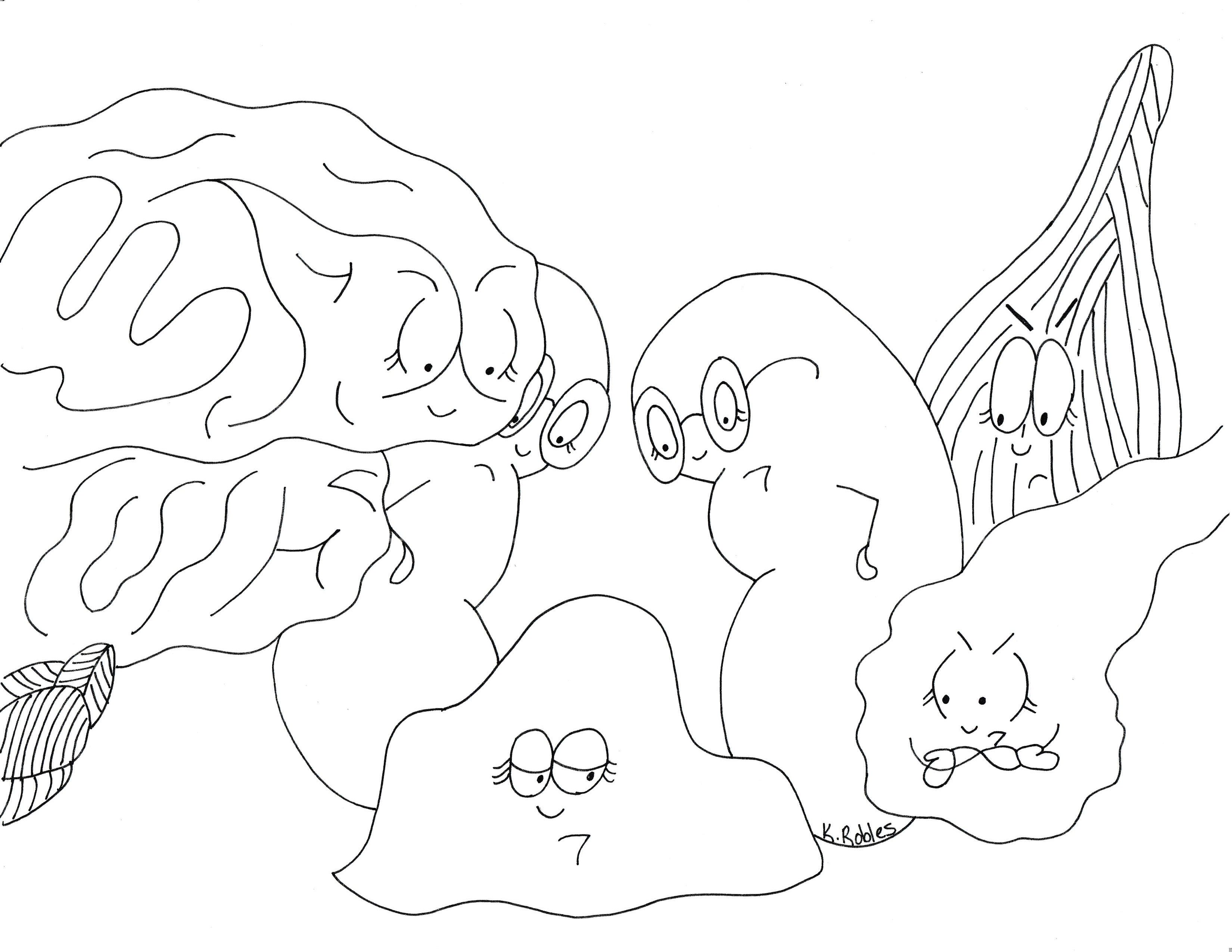
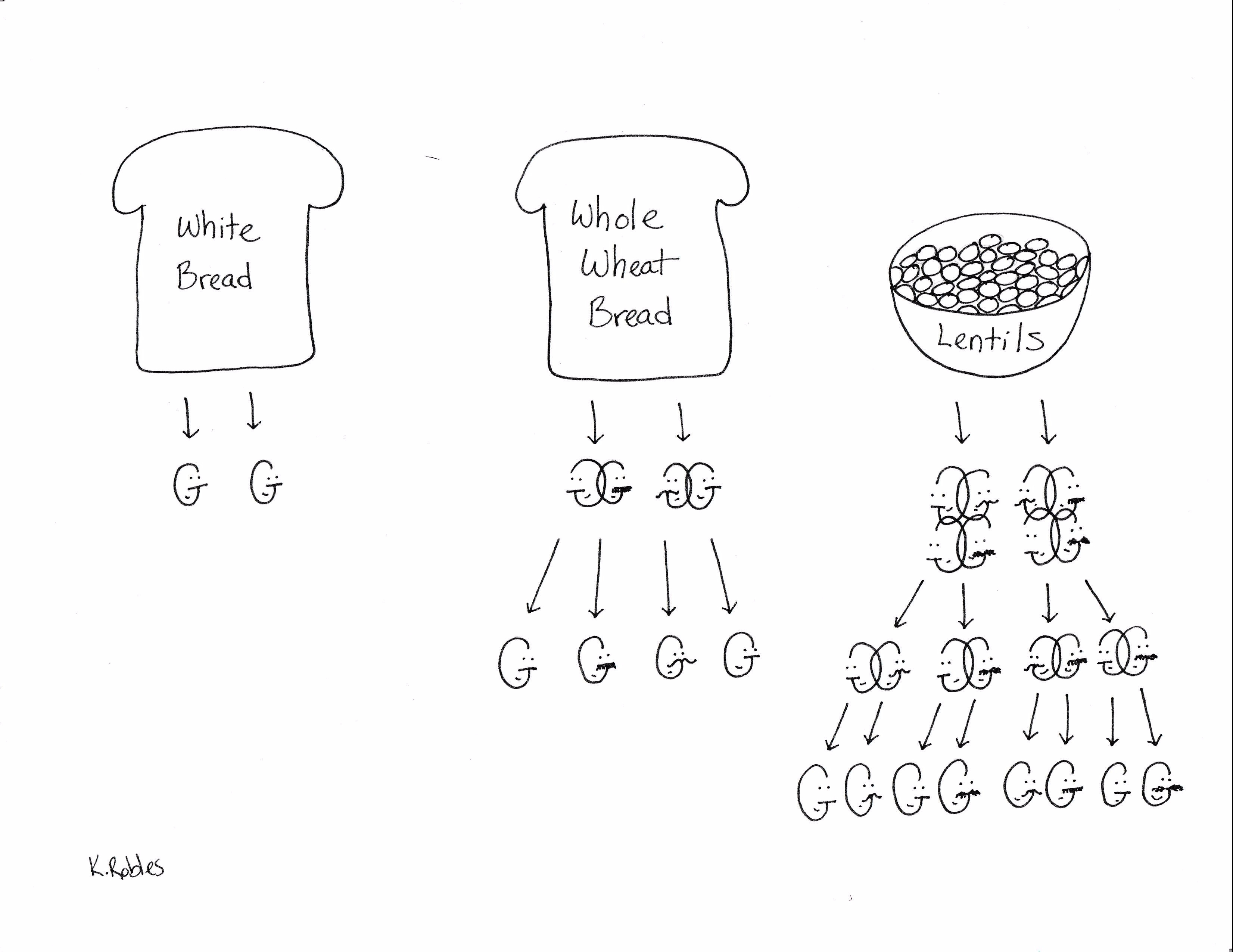 Muscle: Yo, Brain dude, can you order me a hoagie already?
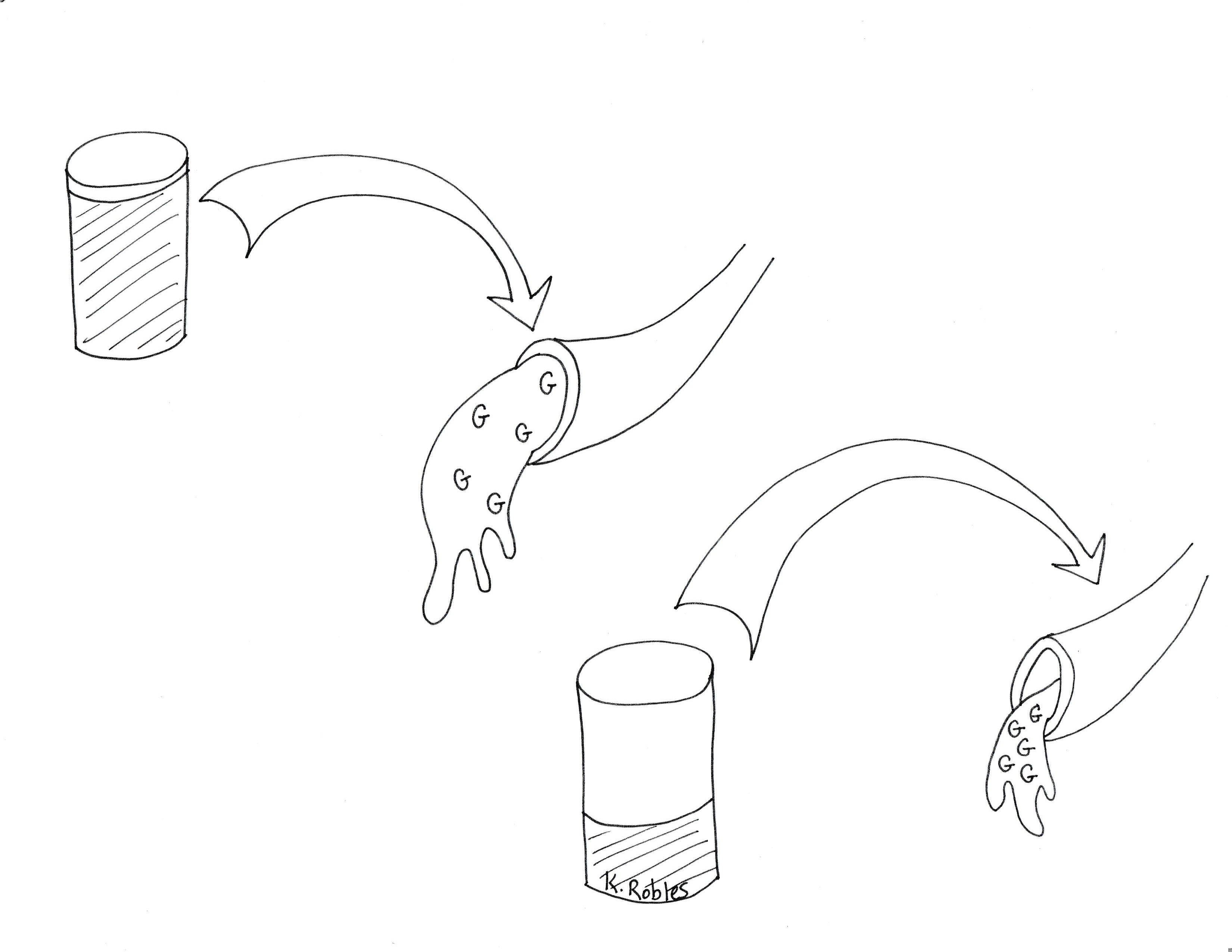
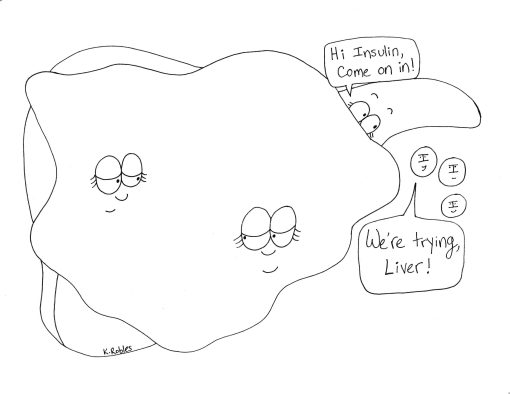 Kidney 1: We need Liver to help suck up the extra glucose from the blood. Let her go.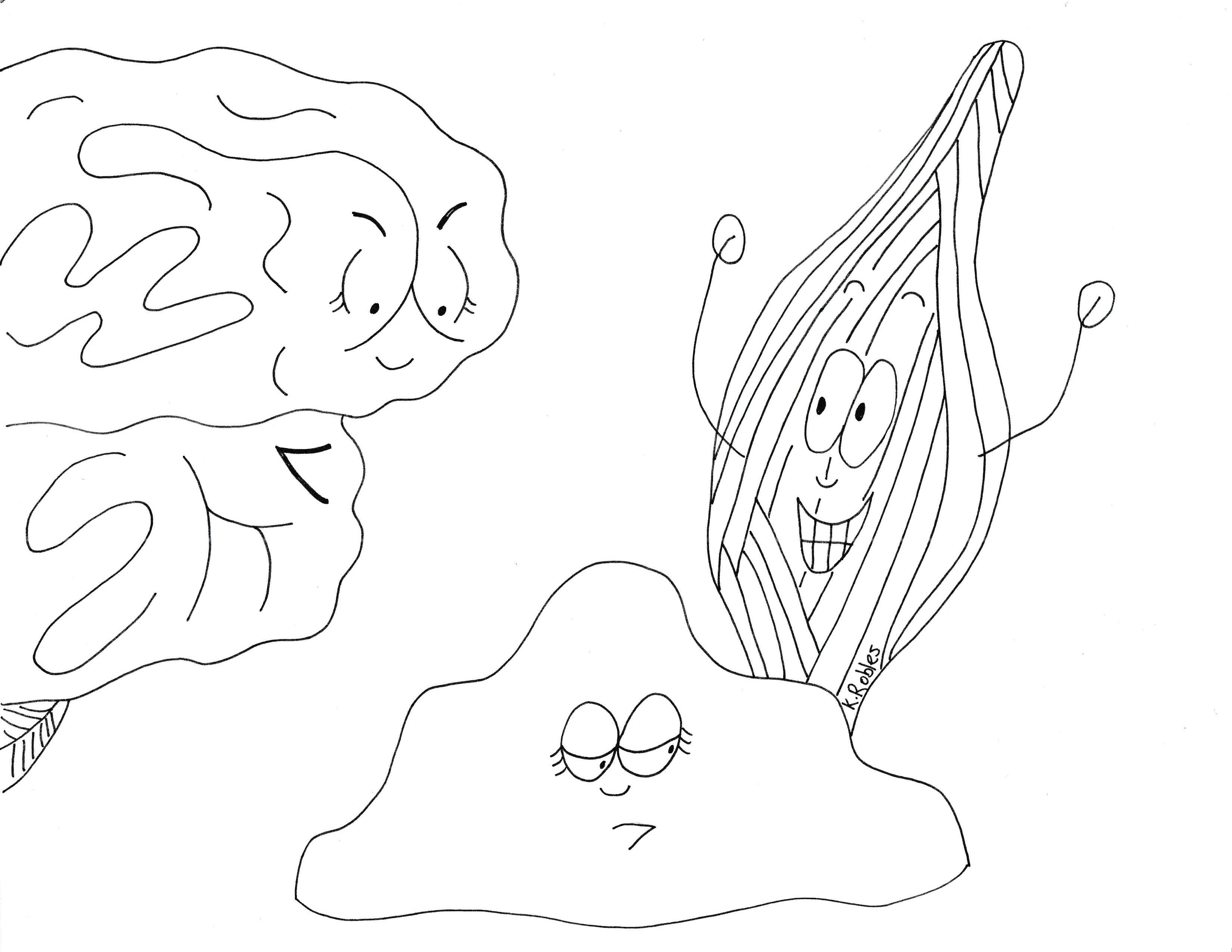
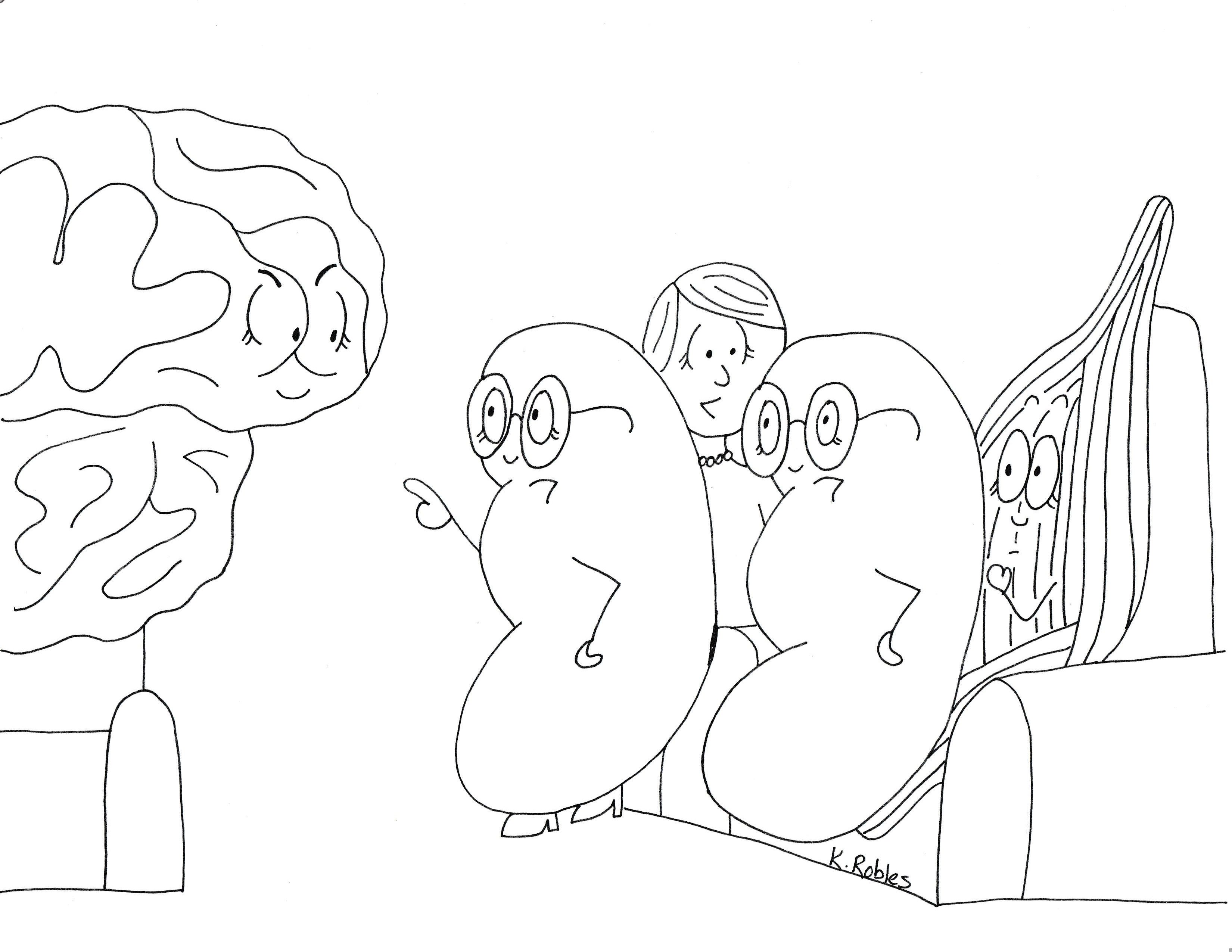
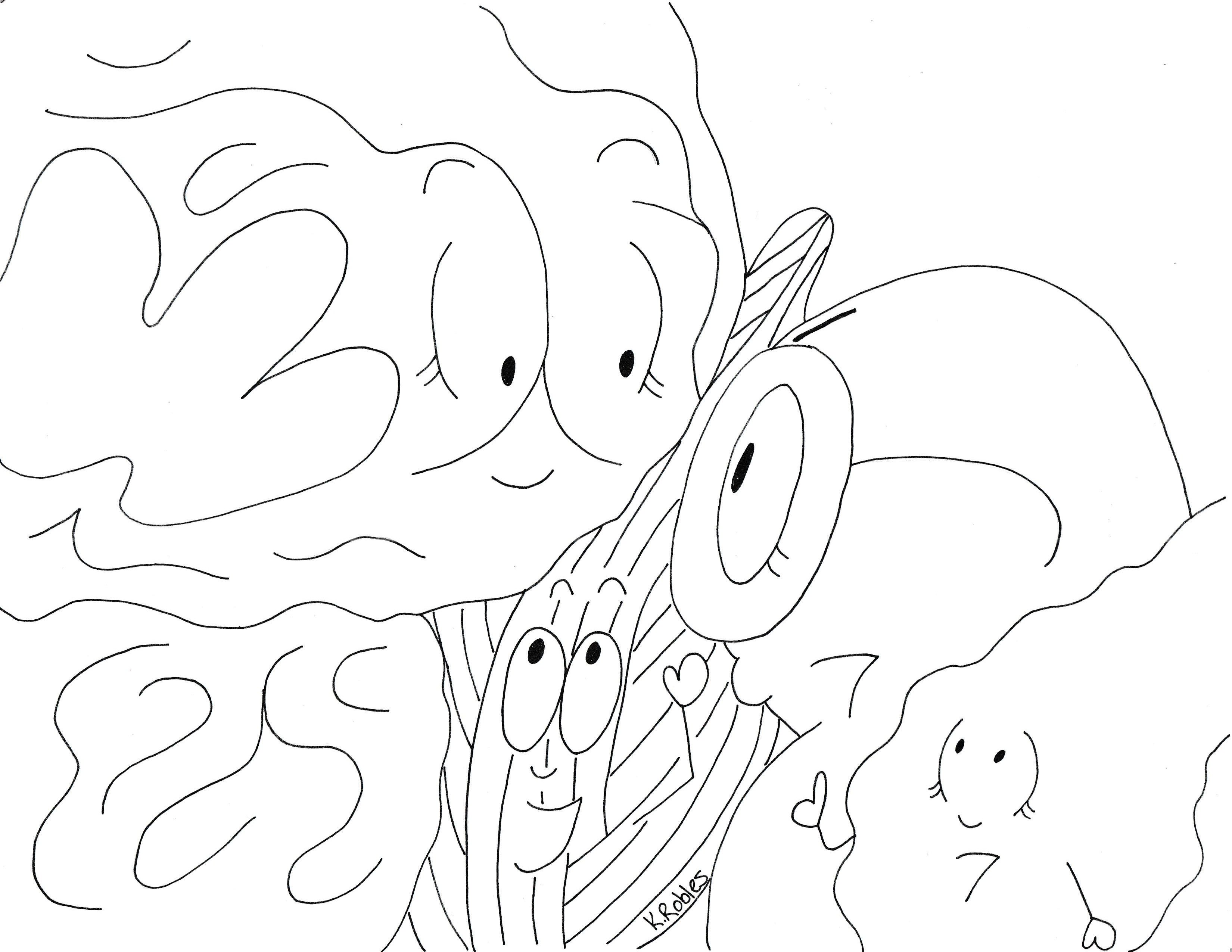
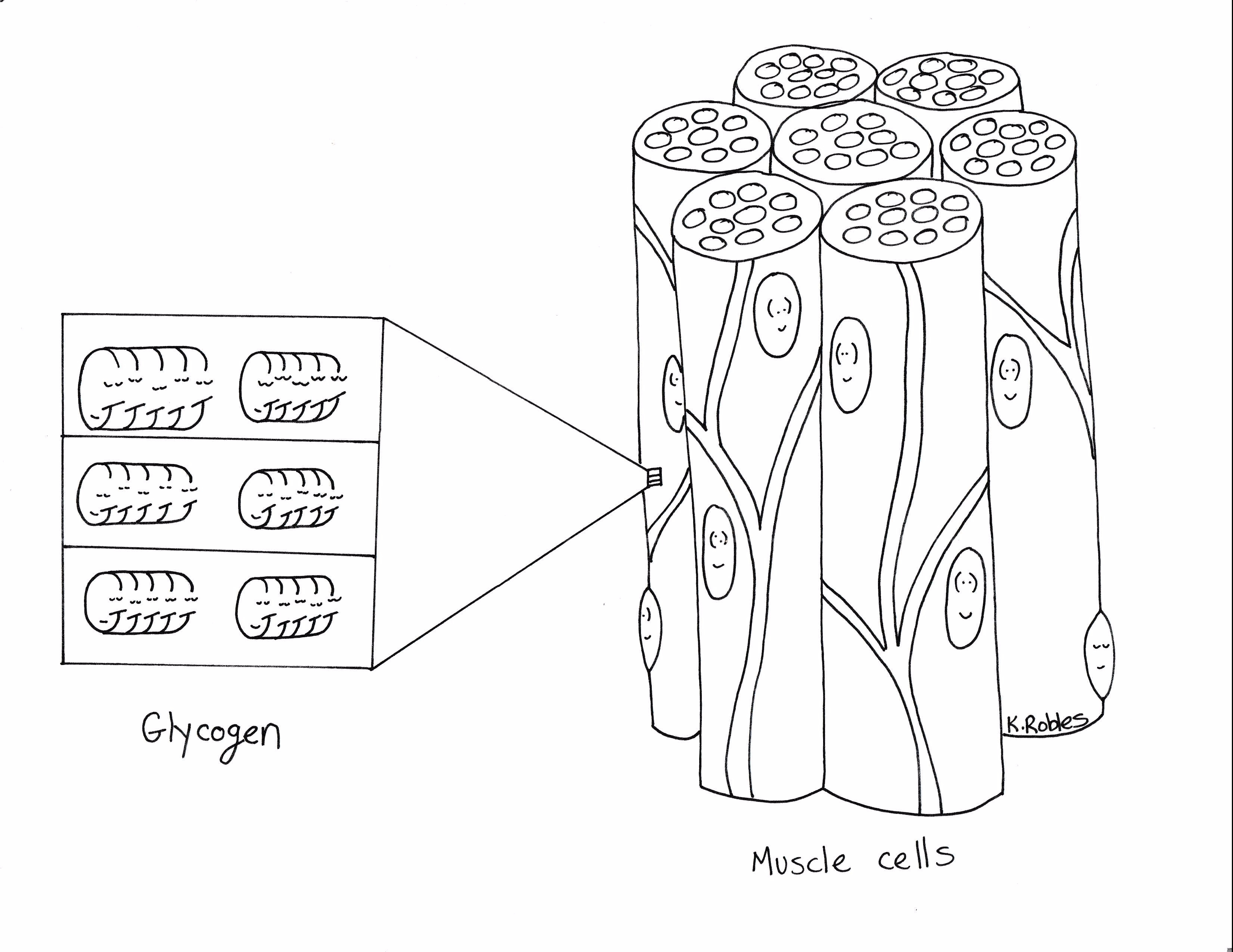
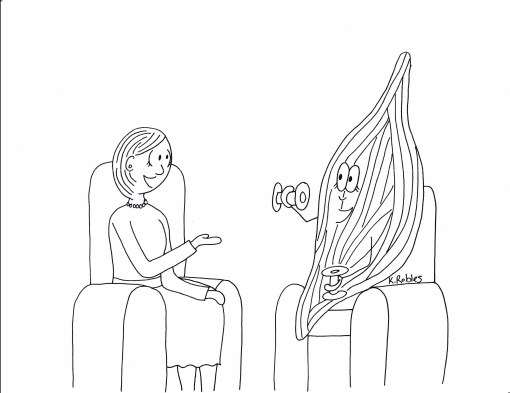 Muscle: It’s this stuff that gives me energy. I store it until I need it. I’ve been dying to use it, man, but Brain’s been keeping me on the bench.
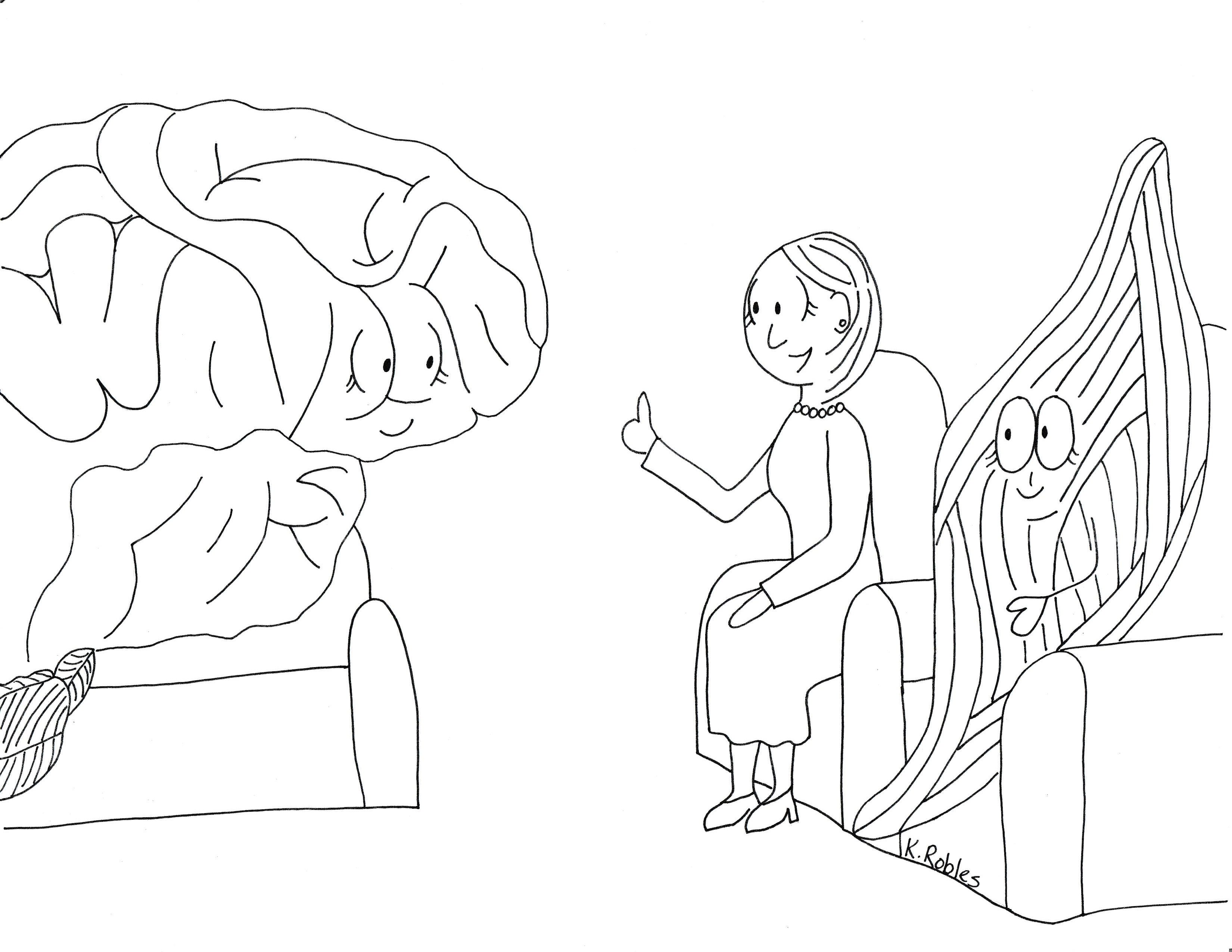
 Katie: So if Body had exercised when she was insulin resistant, then you, Muscle, could have lowered her blood glucose level without insulin?
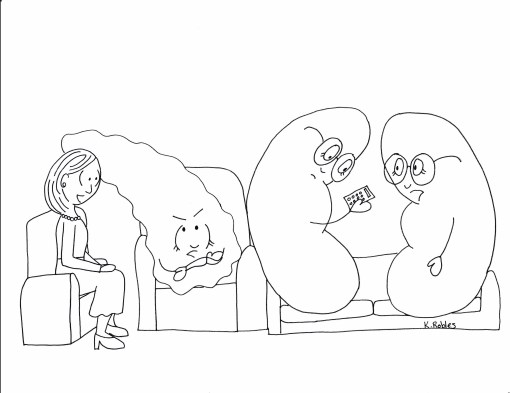 Kidney 1: Hi, Katie. Hello, Pancreas. You certainly keep us busy.
 Pancreas: You’re not the only ones.
 Katie: Ladies, can we agree that you all look exhausted and move on from there? Thank you. Now, what would happen if you all took a day off? What’s so bad about the blood glucose levels being high for a while?
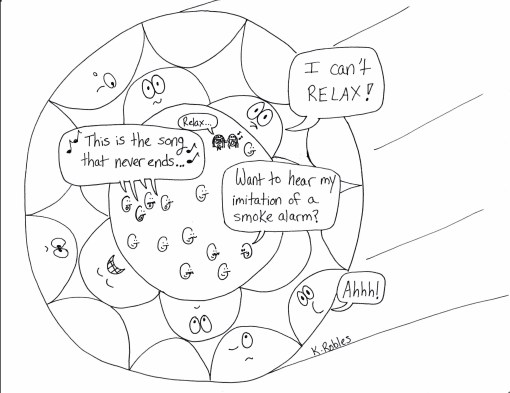 Kidney 2: The nerves become damaged. It’s called neuropathy. Sometimes neuropathy causes pain or tingling and sometimes it causes numbness.
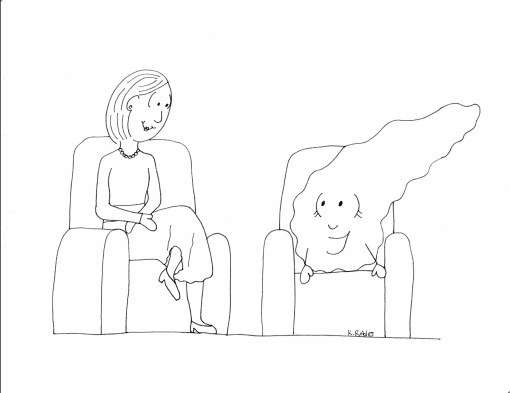 Katie: Isn’t diabetes—in its essence—a lack of insulin? And as the pancreas, isn’t it your job to make insulin?
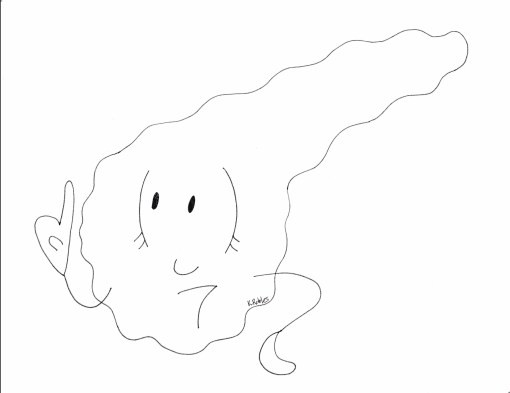 Pancreas: You know what glucose is?
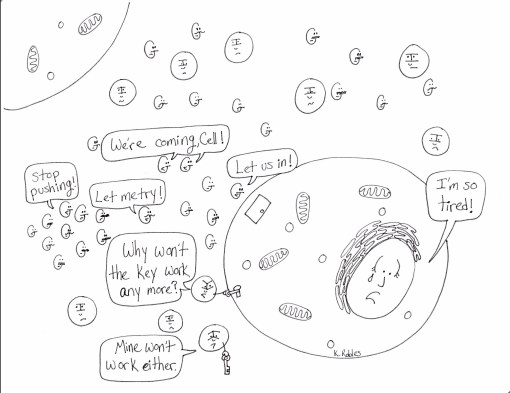
 Pancreas: That’s right. Without insulin, the cell doors stay locked tight and glucose stays in the blood.
 Katie: What do you want our audience to know, Pancreas? Set the record straight for us.
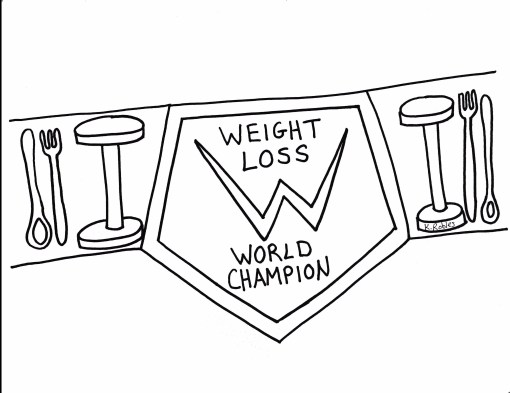 Round One: They’re circling each other, calling out random numbers of calories. Exercise calls out 100 calories burned by walking a mile. Oh! Diet lands a solid hit with not consuming one half cup of spaghetti noodles to save that same 100 calories. The crowd roars! So much easier to eat fewer noodles than walk a mile. Ding ding!
 Sex, Soup, and 2 Fisted Eating