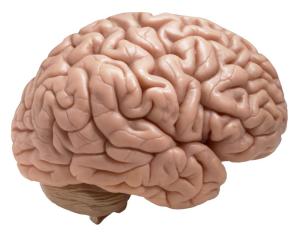
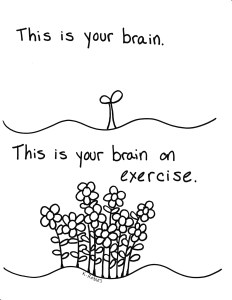
 My brain works out several times a week. It seems to enjoy it—especially the surge of endorphins—and man, when it feels stressed, it can’t wait to get moving. I wish I’d taken a before and after picture so you could see how much my brain has bulked up since it started working out.
How does my brain work out? Easy. It tells my limbs to move: my legs walk or dance, my arms lift weights or push me up, and sometimes it gets all four limbs flailing in unison in the pool. The limbs get my heart pumping and the extra blood feeds and cleans my brain. My brain is getting more fit every day.
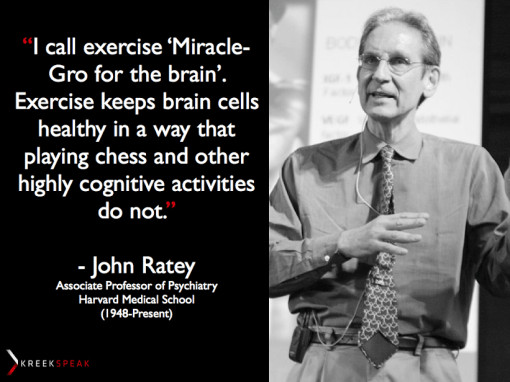
“(The brain) is an adaptable organ that can be molded by input in much the same way as a muscle can be sculpted by lifting barbells. The more you use it, the stronger and more flexible it becomes” (Spark). We usually think about exercise’s benefits to our muscles and lungs, but studies are proving over and over again that our brains benefit greatly from exercise as well.
 Let’s take learning, for example. A few schools in Texas increased recess for their kindergarten and first grade students. With an hour of recess per day, those students’ grades and behavior improved. When Naperville Central High School near Chicago beefed up their physical education classes, their students not only became physically fit, but they finished first in the world on an international science exam.
How does this brain-exercise connection happen? Dr. Ratey explains it well and thoroughly in his book Spark, but I’m going to sum it up in three words: exercise births neurons. Your brain makes new neurons all the time, but when you exercise, your brain puts the neuron factory in overdrive. Your brain is then swimming in neurons looking to make a connection and you are primed to learn, process, and remember. Add to that the extra blood flow bringing more oxygen and nutrients to the brain and what you get is a cocktail of neurological growth serum.
Learning is not limited to school scenarios: exercise helps the brain battle depression and addiction because the brain is primed to learn a new reaction to old situations. Exercise also boosts the production of serotonin, norepinephrine, and dopamine, three neurotransmitters that help regulate thoughts and emotions and keeps us flying level. Studies have shown exercise to be as effective as medication in treating depression and that exercise reduces the risk of depression. I’m not saying “cure” and I’m not telling you to dump your pills if you take them. I’m saying give your brain a workout because your brain is capable of amazing things and regular exercise is proven to help.
 When my brain works out, it’s even protecting itself against the natural effects of aging. As your brain ages, the production of new neurons slows down and the cells it has die more easily than when you’re young. The brain can actually shrivel and shrink over time. Exercise is one of the few ways to combat this trend because it boosts neuron production and makes your cells harder to kill. It’s like car maintenance: if you drive your car all the time, you’re going to maintain it. The older the car gets, the more prone it is to breaking down, but if you keep it well maintained, the car will last a long time. Exercise equals driving the car: the body is forced to maintain the cells because you’re using them. If you stop using your cells, they rust away and die. “If your brain isn’t actively growing, then it’s dying” (Spark).
Working out makes my brain work better, feel better, learn better and react better. We are ‘use it or lose it’ creatures, so get your body moving so you don’t lose your mind!
Those who live according to the flesh have their minds set on what the flesh desires; but those who live in accordance with the Spirit have their minds set on what the Spirit desires. The mind governed by the flesh is death, but the mind governed by the Spirit is life and peace. Romans 8:5-6 (NIV)
 When you sleep seven to eight hours at night, your body has the time and rest it needs to mentally process your day, repair cellular damage, hunt down and remove toxins, and wake up with energy for a new day. When you’re deprived of sleep—even short a few hours a night—your body can only partially recoup. You’re left feeling run down because you are run down and we tend to try to fix ourselves with sweets, junk food, or caffeine for an energy boost.
 Eating: Studies have shown that sleeping less than 7 hours per night makes you crave high calorie foods, buy more food, and take larger portions than a rested person. Lack of sleep increases cortisol, the stress-related hormone, that ends up making you feel hungry all the time, even when your stomach is full. Fatigue affects your brain, activating the pleasure seeking cerebral section (donut, anyone?) and slowing down the good decision making (inhibition) center making your donut desire seem like a good idea. And if one donut is a good idea, two must be a really good idea!
 Moving: Regular sleep helps you burn more calories even when you’re not moving. Sleep is when your body builds and repairs muscle making any exercise you do more effective. Sleep helps your body regulate hormones like insulin and gives them time to do their job. The result is that sleepers burn more fat than non sleepers, even if their calorie intake is the same.
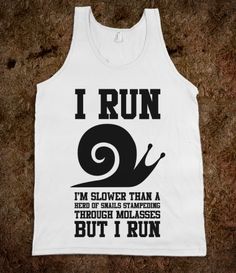 Right or left? Chicken or fish? Stairs or elevator? Sneak a piece of chocolate now when your kids might catch you and you’ll have to share or later when they’re asleep but you’ll probably end up eating the whole bag?
 The scientists put the snails into uncomfortably shallow water, “forcing” the shell-haulers to walk around the tank looking for deeper digs. Then they put the snails on dry land to see how long it takes them to make a decision (right or left? stairs or elevator?) and act on it. Apparently, snails who have been walking for a couple hours decide faster than snails who’ve been been soaking in deep water for hours. Why study Speedy Gon-mullusks? Their nervous systems are simple and straightforward so scientists can draw conclusions quickly.
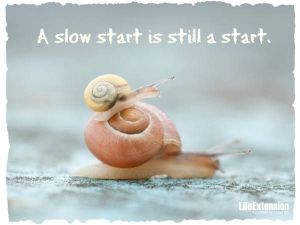 The thought of snails with sweatbands and Spandex shell coverings is funny, but do you have a better reason than that for bringing this up, Katie? Barely. I mean, yes! And here it is: if exercise can improve the mental capacity of a snail, then imagine what it can do for us! Exercise-even walking at a snail’s pace-not only strengthens bones and muscles, helps fight heart disease and a host of other medical woes, improves sleep, and boosts energy, it also increases blood flow to the brain which helps the brain work better and-as the snails will testify-faster. Some of us feel like snails when we exercise, but this escargot study is showing that it’s not the speed that counts, it’s the fact that you’re moving. If you don’t want to exercise for your body, do it for your neurons.
 I learned about this snail study on a radio show called The Strong Road (think Car Talk but about the Bible). I was a guest on the show on Sunday September 18th (you’ll need to know this when you look up my interview in their archives). The snail story was part of their (tongue in cheek) Biggest News Story of the Week. You can listen to the show anytime on the


 Pokemon Go is genius. Let me give you an example.
 Genius Point 2: Building community.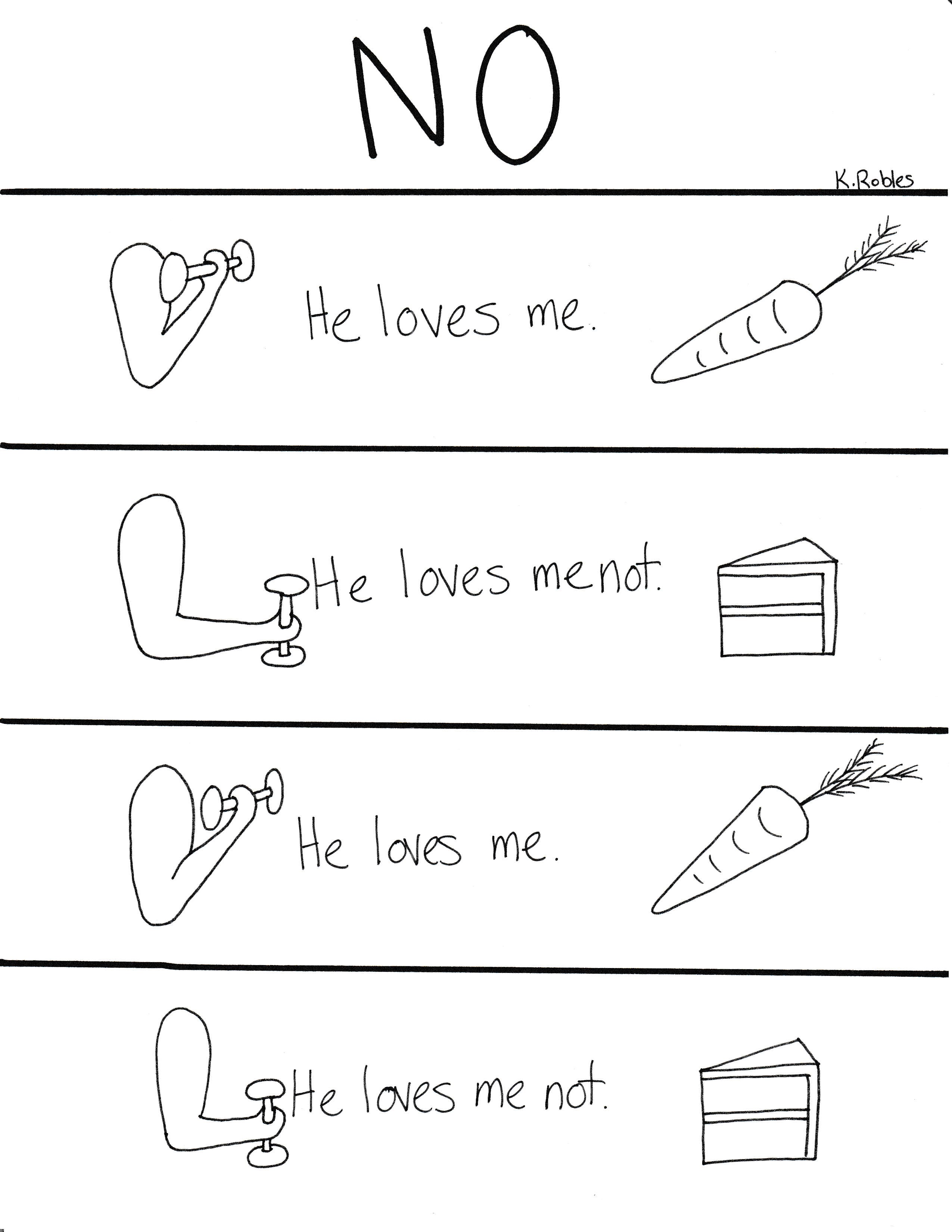
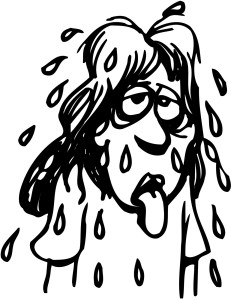 Studies have shown that a good tough workout primes a woman’s body for sex… for about fifteen minutes. Ladies, that means that if you want some great lovin’, you and your hubby should go jogging together and then hit the sack right away. While that makes scientific sense, the reality is that I don’t feel sexy when my face is red, my muscles hurt, and sweat is dripping from my elbows. Thankfully, I feel sexy later.
 When I say exercise, I’m not talking about one workout (and when I say workout, I mean any kind of exercise: dancing, walking, swimming, etc. I don’t want you to picture sweat bands and spandex if that’s not what you enjoy.) If you’re just starting to get into exercise, then one workout can leave you feeling tired, sore, and discouraged by how limited your body is. But if you keep at it and make exercise a habit, you’ll see and feel improvements: you’re less sore, less tired at the end of the workout, and you can perform your workout better. These improvements are what improve your self image. I did it! I’m strong. I stuck with it. I am woman. Hear me roar!
 Habitual exercise helps you feel better in your own skin, but there’s another benefit for your love life: more enjoyable sex. When you think about it, it makes a lot of sense that sex and exercise go together. Sex is exercise. When you exercise regularly, you experience increased energy and decreased stress. Fatigue and stress are two major intimacy inhibitors. Exercise also give you improved blood flow (the steam engine that makes the sex train go), flexibility and muscle control (no, I will not draw you a picture; do a few stretches and figure it out), and endurance (oo la la!). In other words, if you work out regularly, then sex is an enjoyable recital that your body has been practicing for, and not akin to being pushed on stage to sing karaoke.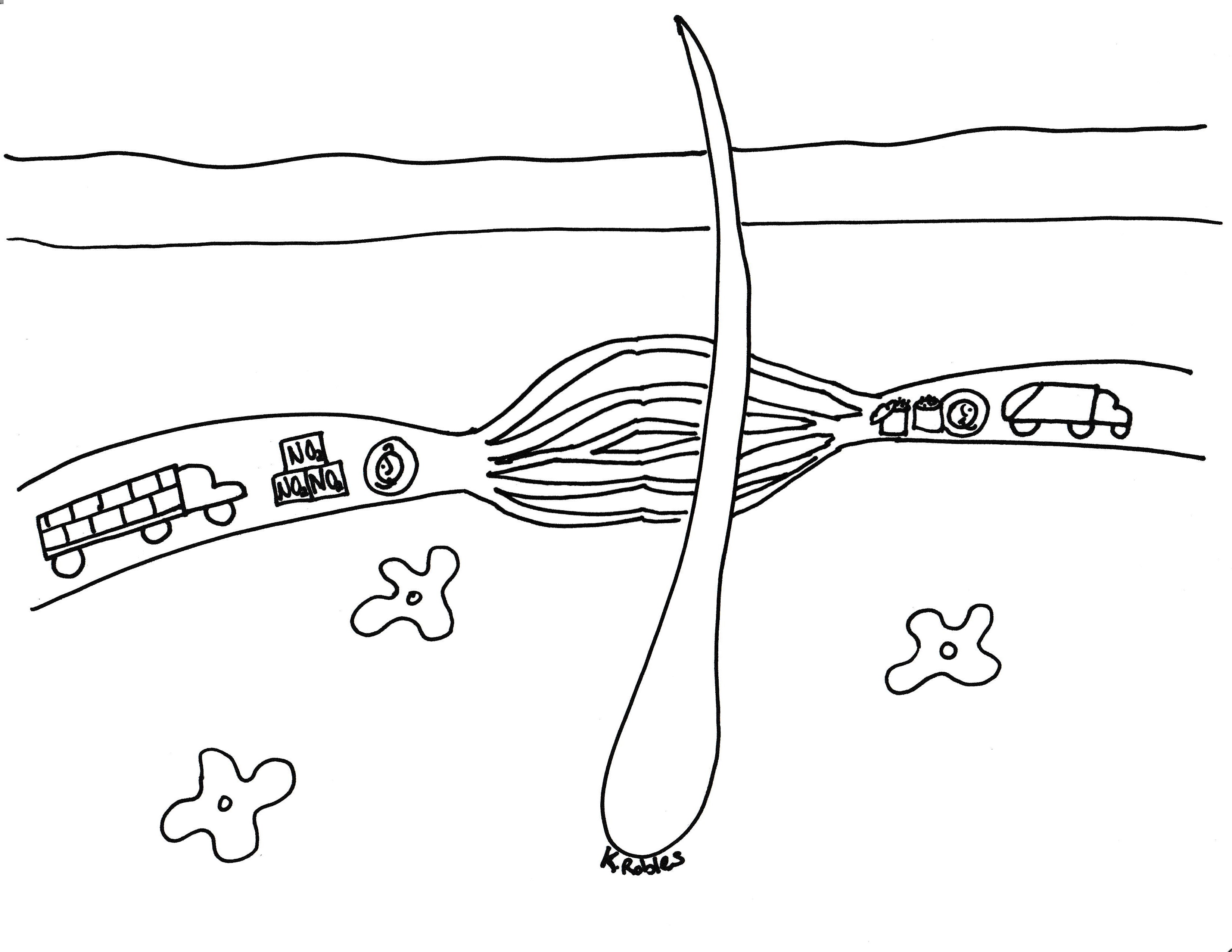
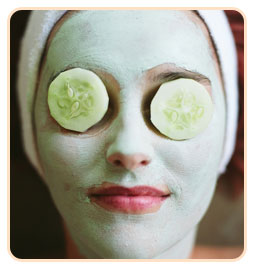 When we think about skin care, most of us picture lotions, sunscreen, or someone sporting a goopy green face peel and cucumber eyelids. Turns out we should add exercise to that list of mental pictures. In 2014 researchers at McMasters University in Ontario found that exercise produced remarkable changes in the skin of people over age 40. (If you’re not over 40 yet, you will be before you know it, so pay attention anyway.)
 McMaster University had already studied old mice and found that mice who exercised “maintained healthy brains, hearts, muscles, reproductive organs, and fur far longer than their sedentary labmates”. Mice who were denied access to running wheels quickly grew frail, ill, gray, and demented. Admit it: not only are you picturing a few humans you know right now, but you’re trying to remember if they exercise.
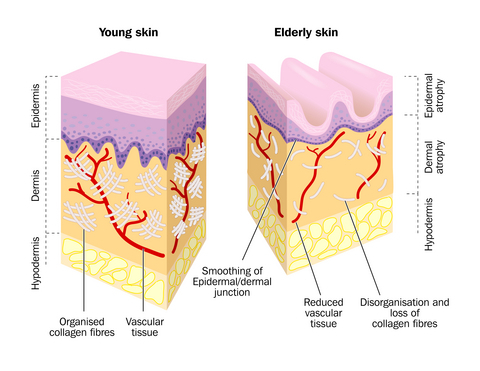 As normal skin ages, the topmost layer of the epidermis (the part you can see and touch) becomes thicker which makes the skin feel dry, flakey, and dense. The dermis, the layer of skin under the epidermis, becomes thinner, which makes the skin look saggy and translucent. That was the state of the volunteer buttocks: thicker outer layer and thinner inner layer. Mm-mmm, green face peels and dry saggy butt skin. If we continue with these mental images, this is going to be a post about weight loss, not skin!




 Sex, Soup, and 2 Fisted Eating