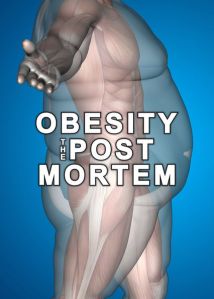
 Obesity: Post Mortem is fascinating. It’s not for everyone, perhaps: there are people who would rather bathe in kale chips for a year than see a dead body cut open. But for those who can stomach it, I highly recommend watching it. The show offers a rare glimpse into the inner workings of an obese body. I’ve researched heart disease and type two diabetes for blog series on those topics and I have to tell you, I felt like Buddy in Elf when he sees Santa: “I know him, I know him!” except I was yelling “I read about that! I read about that!” at the TV.
It’s one thing to read about the heart working harder when you have high blood pressure and it’s another thing to see the physical heart of a woman who had high blood pressure and see how thin and weak the muscle was by the end.
It’s one thing to read about how high blood pressure (and a weakening heart) leads to fluid build up in the lungs and it’s another thing to see a mortician squeeze water out of those lungs.
It’s one thing to read about fatty liver disease and it’s another to see what an enlarged fatty liver looks like, each microscopic cell so full of yellow fat that the organ appears orange-pink instead of blood red.
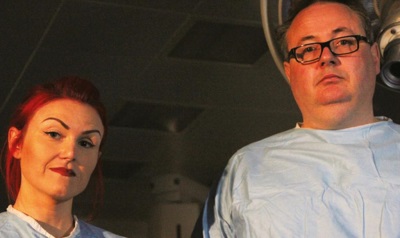 Obesity: Post Mortem proves that obesity does, indeed, affect internal organs. I don’t need to have faith that it does because I’ve seen it. That strengthens my faith in the logical opposite: exercising, drinking water, eating lots of vegetables and fruits and losing weight in the process is helping my organs.
Obesity: Post Mortem is a strong motivator. Whether you’re working to lose weight or to maintain a healthy weight, Obesity makes you want to stick with those healthy habits. Living a healthy lifestyle takes faith that what you’re doing makes a difference. You can’t always see the effect of your efforts right away. You can do everything right– eat well, exercise, sleep adequately, drink water– and not loose a pound for weeks. You have to have faith that your body is reaping the benefits cell by cell, system by system, on a level you can’t see yet.
So, pull up a chair, skip the popcorn (it is an autopsy, after all), and enjoy the show!
From the fellowship offering you are to bring a food offering to the Lord: the internal organs and all the fat that is connected to them. Leviticus 3:3
Images courtesy of Netflix.
 Why exercise? Ongoing stress isn’t good for your heart because it raises your blood pressure. Exercise lowers your blood pressure therefore helping to “destress” your body. Stress saps your energy, exercise increases it. Stress robs you of sleep, exercise improves sleep. Stress produces stress hormones like cortisol and adrenaline, exercise reduces those and produces endorphins which are to the brain what chocolate is to womankind.
 Here’s the list of recommendations to keep your heart healthy:
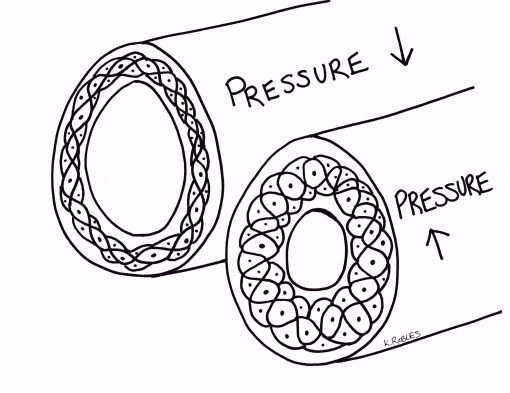 These smooth muscles move involuntarily (i.e. you can’t control them like an arm or a finger) to regulate the volume of blood in the vessel and how forcefully that blood flows. Blood vessels are not passive garden hoses but more like millions of tiny fans keeping the wave going in a tubular stadium. This is mind blowingly cool, but what does it have to do with hypertension and heart health?
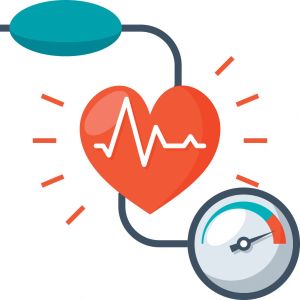
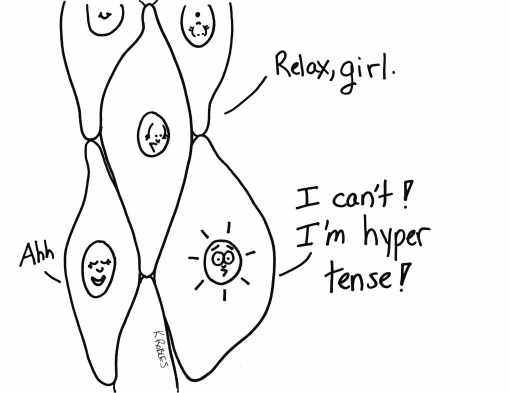 Hypertension is a warning sign that blood is not flowing well in the body. Blood pressure goes up because the blood has to press harder to get through the vessels, i.e. the heart pumps extra hard. In our shipping analogy, hypertension is all of the sailors working harder and harder to get the ships to the docks, but not getting there any faster than they used to. After years of hard sailing, shipments are delayed or detoured and the sailors simply can’t sail up every tiny tributary like they used to because the way is clogged with pollution or traffic. Any body part of the world that receives fewer shipments than necessary will suffer. Another way to say it is that if a body part lacks blood, it also lacks oxygen which it needs for energy producing reactions within the cells, so it will not have energy and cells will die. If enough cells die, we develop symptoms.
 Africa is home to the Sahara Desert which has the most uninterrupted view in the world (I’m guessing) from the top of a dune on a cloudless day. Africa represents our eyes and hypertension is a sand storm. Eyes need nourishing blood to see properly and when they don’t get enough, vision can become blurry or be lost completely.
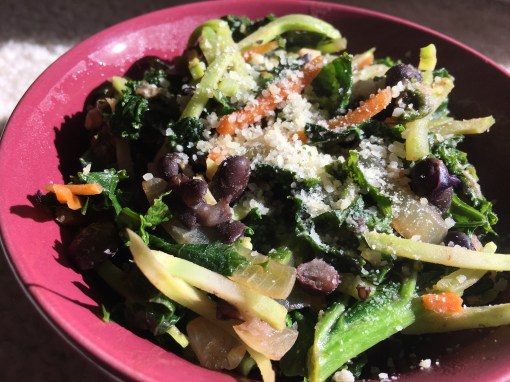 Ingredients:
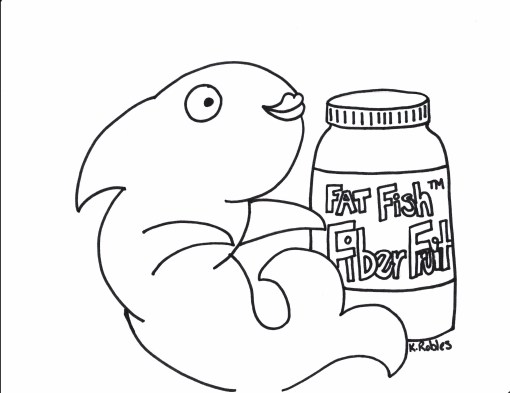 Fat Fish™ is the leading producer of unsaturated fat (both mono and poly styles) which your heart craves. Fat Fish™ also gives your body plenty of Omega-3 fatty acids to reduce plaque buildup and triglyceride fat in the arteries, slightly lower blood pressure, and reduce the risk of irregular heart beat. But wait, there’s more!
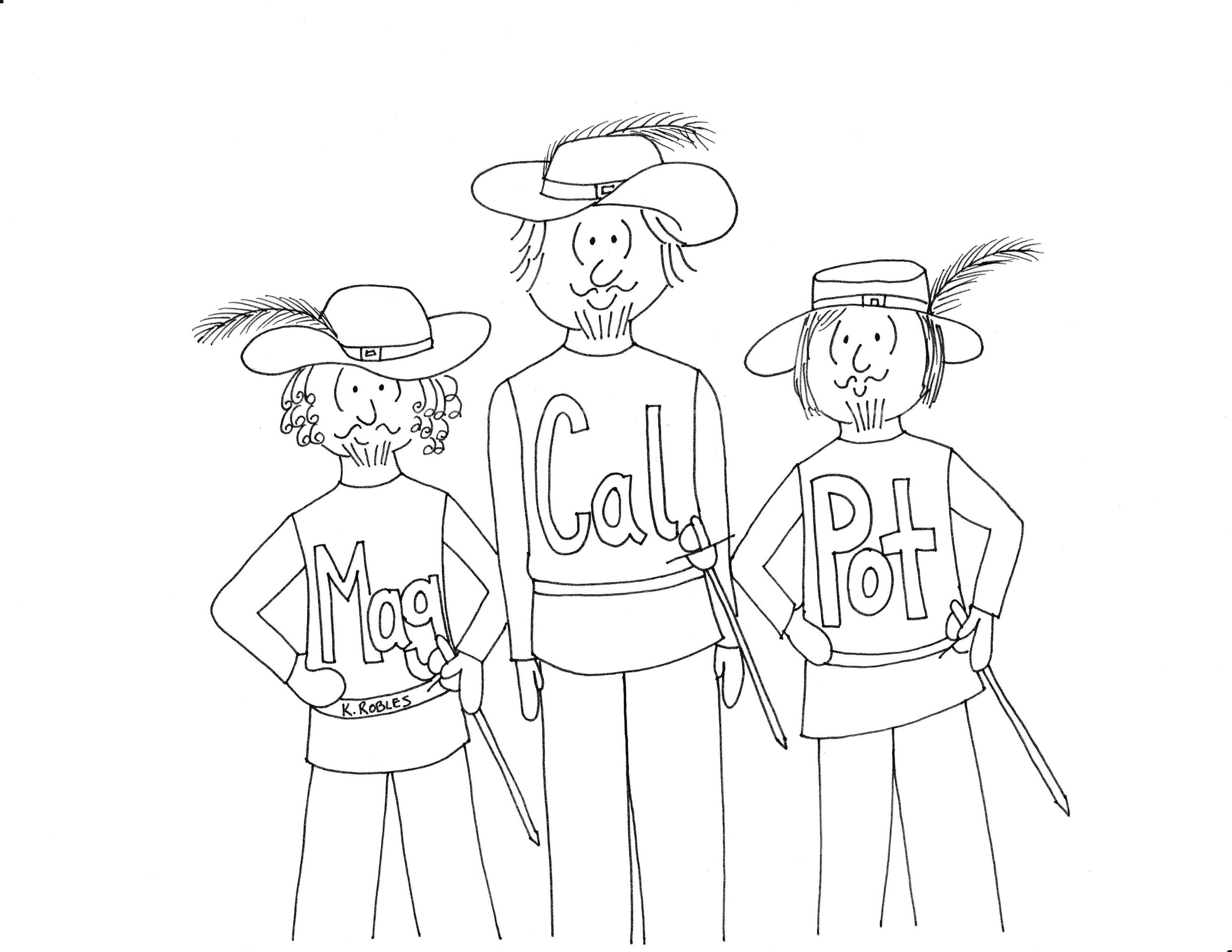
 Fat: Eat good fats (i.e. mono-unsaturated or poly-unsaturated) like those found in nuts, avocados, and some fish. If the fat comes from a plant, it’s good. If it comes from a land animal (cheese, bacon, red meat, etc) it’s bad and should be limited and savored.
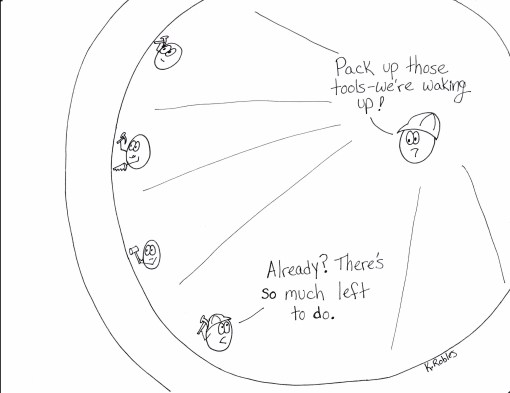 Most things in life require maintenance and HeartDOT’s system of oxygenated transportation is no different. When does HeartDOT plow and salt the roads after it snows? At night. When does HeartDOT do construction on busy highways? At night. When are HeartDOT’s rest stops cleaned and restocked? At night.
 It’s not just your heart that suffers from little or poor sleep. Short sleepers are more likely to be obese and suffer from type two diabetes as well. Those who are tired are less likely to exercise and less likely to make good food choices. (Duh! We’ve all been there; we don’t need science to tell us that.) When you are sleep deprived, you even produce more ghrelin, a hormone that makes you feel hungry.
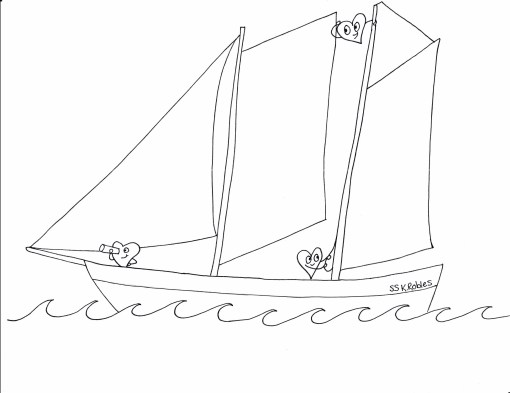 Exercise is a storm for your heart. Exercise makes your heart work harder for a while which at first can feel like you’re being keelhauled*, but your heart is a fast learner. Before long it’s so used to the battening down the hatches that when your heart is at rest, it can take it easy. Studies show that the resting heart rate of people who exercise is lower than the resting heart rate of landlubbers*. A lubber’s heart (land or otherwise) is not being challenged, so it’s weaker and has to work harder to do less than an exercised heart. More storms makes for better sailors.
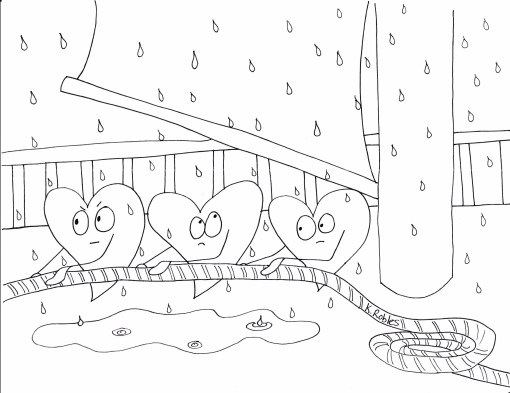 Inactivity (keeping your ship docked, so to speak) is one of the major risk factors for heart disease. Exercise lowers your risk for heart disease by 45%. And that’s exercise at the recommended 2.5 hours of exercise every week level. Even if you’re a landlubber who spends most of her time in the brig and only halfheartedly hoists the mainsail, you’re still reducing your risk of heart disease by a LOT. Anchors aweigh! By the way, those recommended 2.5 hours can be 30 minutes per day five days per week, or 2.5 hours on a weekend, or 25 ten minute bouts of movement sprinkled throughout the week. A bit of climbing the rigging here, a bit of casting off there, maybe a bit of barnacle removal just for fun. Your heart gets stronger with every minute of exercise you do.
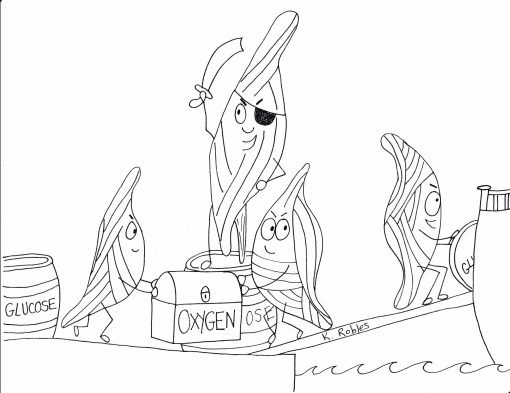 Here are some heart-pumping exercise ideas to get you started:
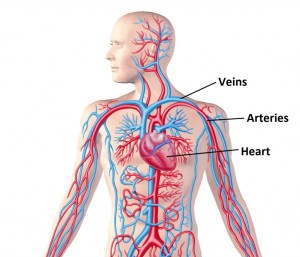 Your heart contracts (or pumps) rhythmically every second of every day of every year of your life. The force of the contraction (labor flashback! Anybody else grimace when they read that phrase?) pushes the blood through the arteries beginning with the big ones near the heart and ending with the teeny tiny itsy bitsy yellow polka dot bikini capillaries in your toes, organs, eyeballs, and everywhere in between.
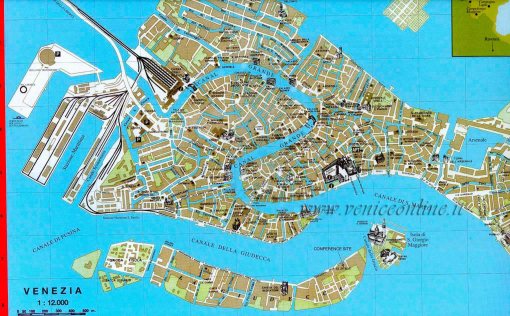 HeartDOT makes sure that traffic keeps moving. Blood delivers oxygen, nutrients, medical personnel (white blood cells), hormones, repair crews, and a host of other goods and services to the body. It also transports the body’s junk (dead viruses, bacteria, toxins, etc) to the Kidney Export Service for permanent removal from the body. HeartDOT doesn’t make the goods or the trash, it just keeps the flow moving.
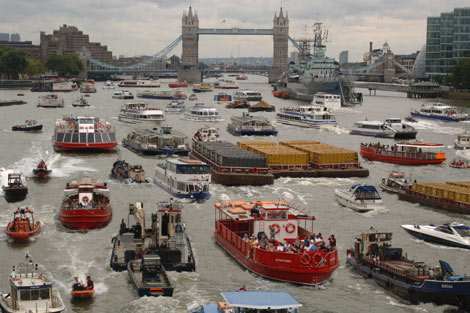 Now imagine that transportation around Venice is not shut down, but travel has slowed. Storms have washed silt into the waterways, making them narrower. A tanker sank in the lagoon and traffic bottlenecks as vessels go around it. Priority is given to those carrying food and oxygen, but repair crews are delayed and trash removal is minimal.
 Sex, Soup, and 2 Fisted Eating