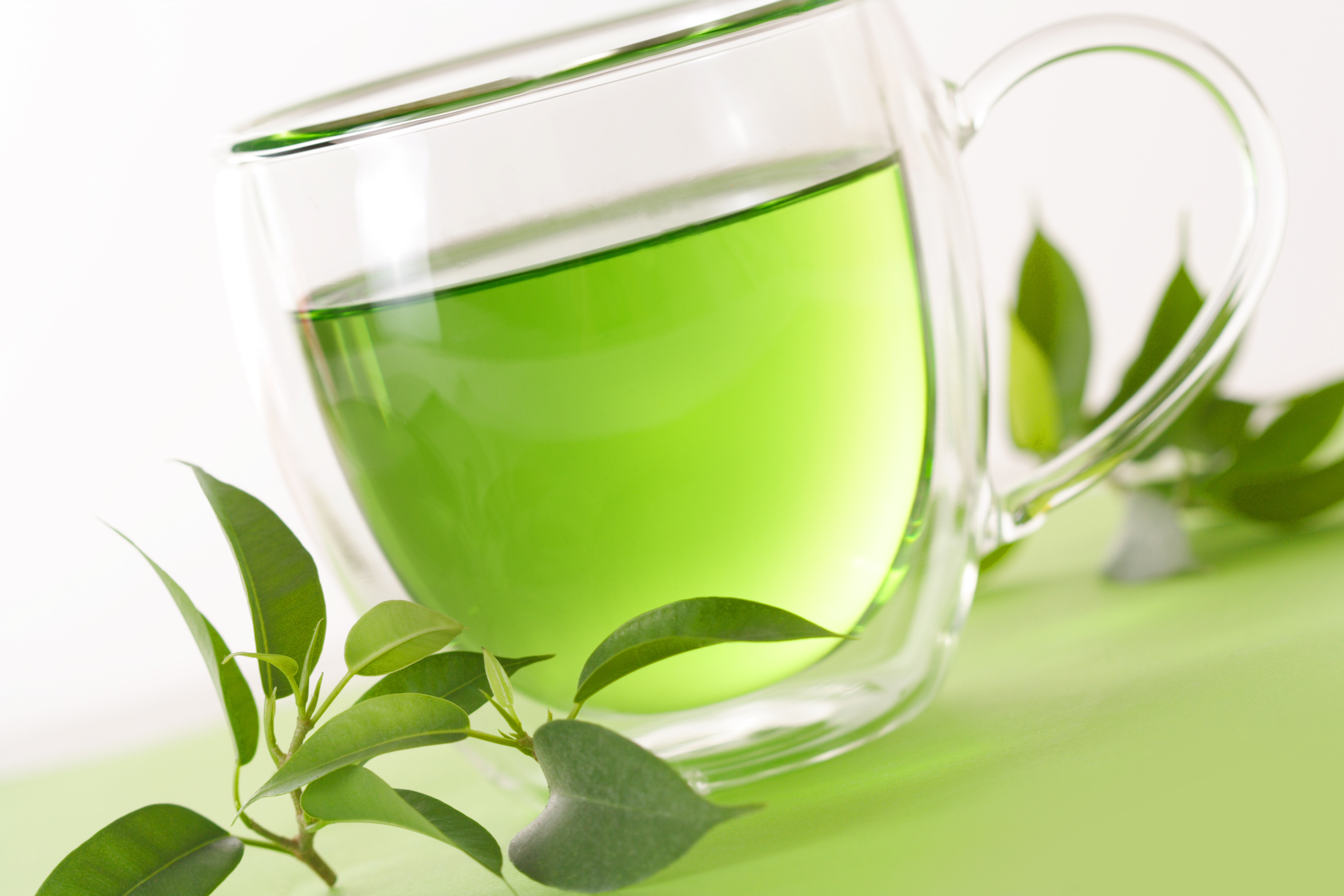
 I propose we answer two questions today: What is Green Tea? and Why do we care? The answers are: Tea and Molecular weeding.
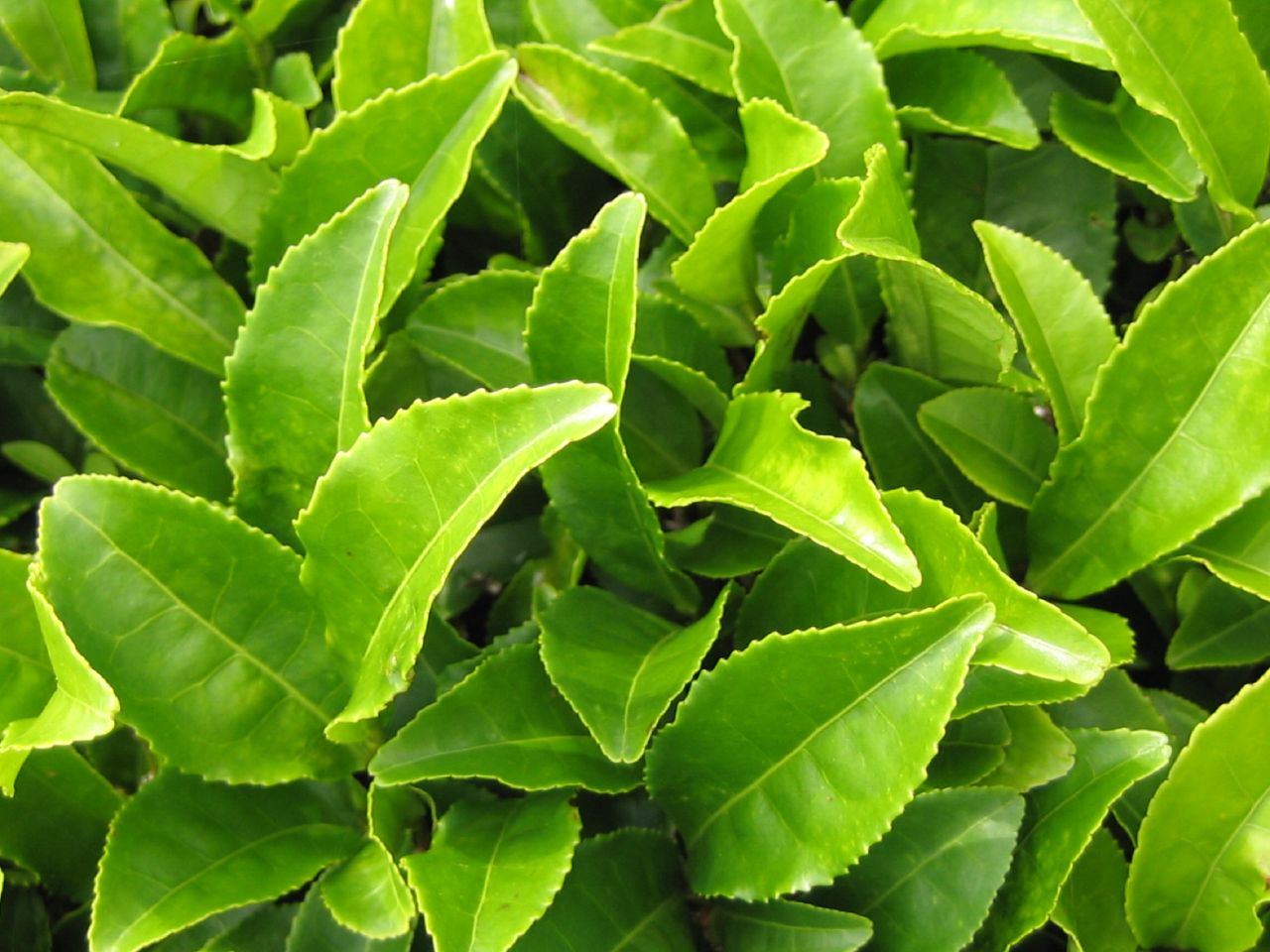
All tea (Black, Green, Oolong, Ooshort) comes from the same plant; the way you harvest the leaves gives you different kinds of tea. Green Tea leaves get a steam bath instead of a sunburn, so they’re thought to have more cancer-fighting antioxidants, although a few researchers believe that all teas are created equal.
Green Tea is loaded with antioxidants which have been shown to help fight cancer. Antioxidants are just what they sound like if we all spoke Greek: “anti” means against and “oxidant” means oxygen, so antioxidants are against oxygen. That sounds kind of evil, doesn’t it? But oxygen can be evil if you’re a wrench in the rain.
 When oxygen reacts with chemicals in the body, it creates useful chain reactions. Your body needs some of these oxygen chain reactions in order to, you know, live, but too many chain reactions lead to free radicals and cell damage.
Oxygen chain reactions are like mint plants in a garden. One mint plant is great; delicious leaves, lovely flowers. But mint plants spread aggressively by the root and can take over your garden in weeks. Antioxidants are the hands that pull extra mint plants out of the soil so you can make Mojitos, but still grow beans.
I’m not a tea drinker. I’ve tried. I have about twenty pounds of tea in my cabinet to prove how determined I was to become a tea addict. But I can’t help loving coffee, and maybe that’s not such a bad thing.
 Green Tea has up to 10 times the antioxidants compared to fruits and vegetables, but coffee has 3 times more antioxidants per cup than Green Tea. If I’m not thirsty enough to drink 9 cups of Green Tea per day, then 2 cups of coffee gives me more microscopic meds for my mug.
Of course, tea, coffee, fruits, and veggies all provide us with different antioxidants, so perhaps eating the full spectrum of antioxidants is wise. The best advice I found was actually in a comment on a medical website; the woman said that she consumes coffee with breakfast, tea in the afternoon, and red wine and dark chocolate after dinner. Does she have all of her oxidants covered or what?
 Green Tea is worth including in your diet, but if you’re not a fan of drinking it, try hiding some in foods you do enjoy. Mix Green Tea with Black Tea, add a cup to your smoothie or soup, or sprinkle the leaves into pasta sauce like you might with dried parsley flakes.
With the variety of things that can go wrong in our bodies, it makes sense to dose ourselves with a variety of antioxidants to clean up microscopically. Raise your glass of a plant-based beverage, be it bean, leaf, or grape, and let’s toast to our health!
“Those who trust in their riches will fall, but the righteous will thrive like a green leaf.” Proverbs 11:28
Images courtesy of fitnessandhealthadvisor.com (tea), greenteaforweightlosstips.com (tea plant), www.lookgreatnaked.com (antioxidant chart), bloomfieldbathblog.com (awesome antioxidants)
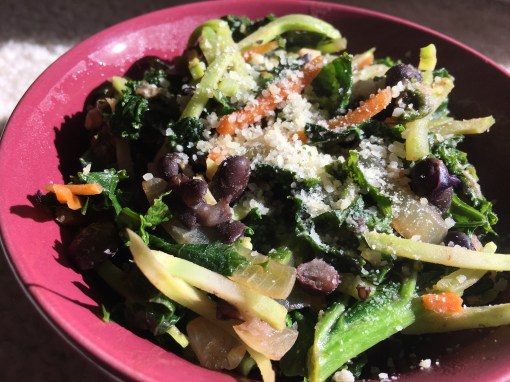 Beans and Greens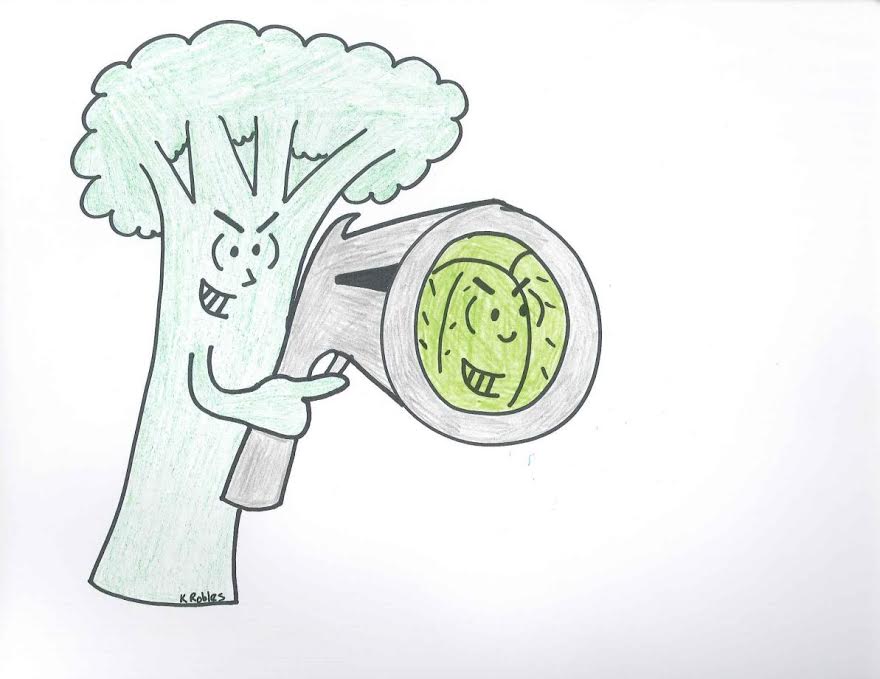
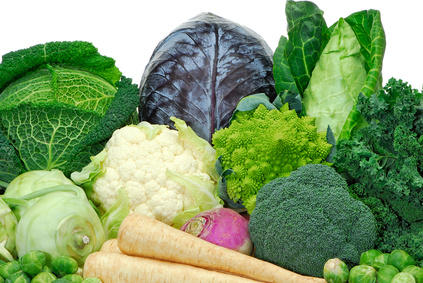

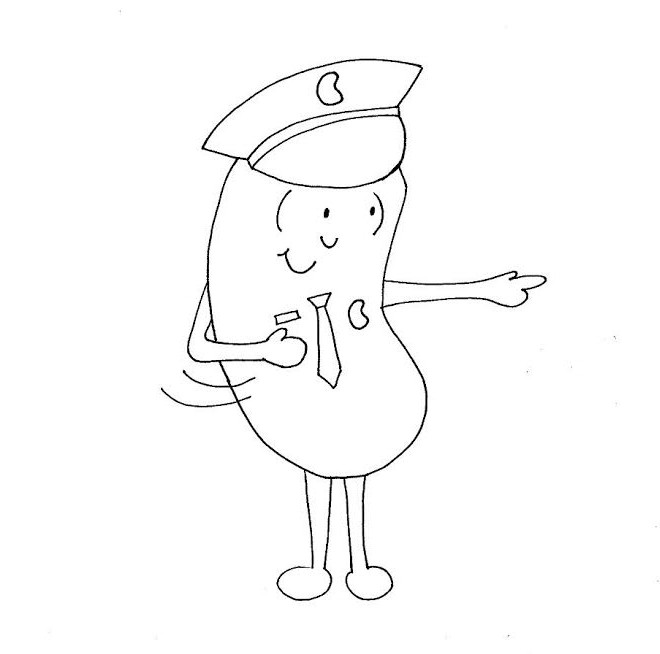
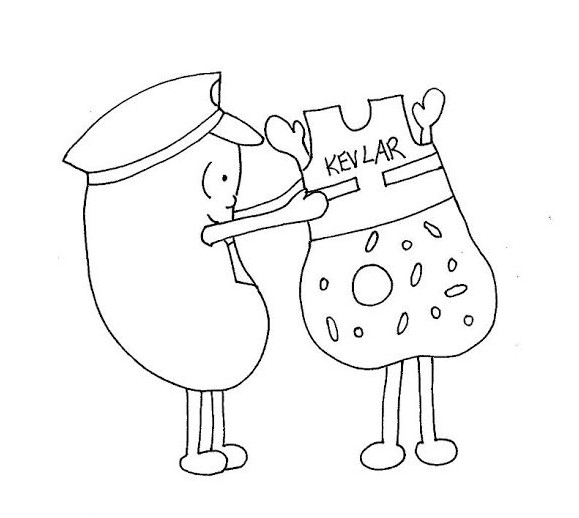
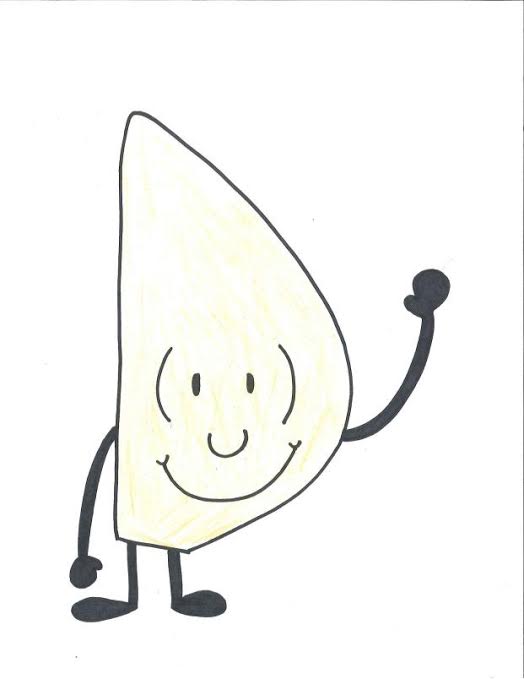
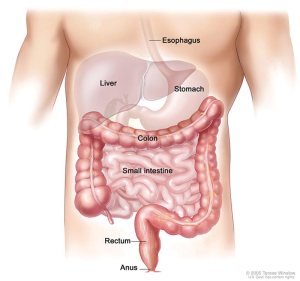 Seeing as how beans are known as the “musical fruit”, it should come as no surprise that beans have a strong link to the colon, and specifically to colorectal cancer. For those of you in the decades between middle school biology and the all-too-real anatomy lesson of a required colonoscopy, your colon is another name for your large intestine.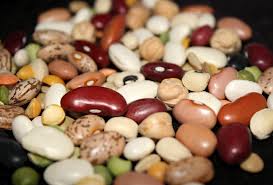

 Why exercise? Ongoing stress isn’t good for your heart because it raises your blood pressure. Exercise lowers your blood pressure therefore helping to “destress” your body. Stress saps your energy, exercise increases it. Stress robs you of sleep, exercise improves sleep. Stress produces stress hormones like cortisol and adrenaline, exercise reduces those and produces endorphins which are to the brain what chocolate is to womankind.
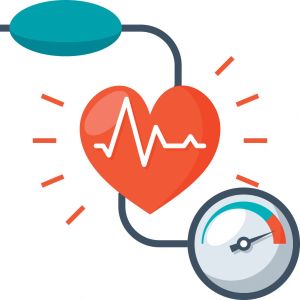 Here’s the list of recommendations to keep your heart healthy:
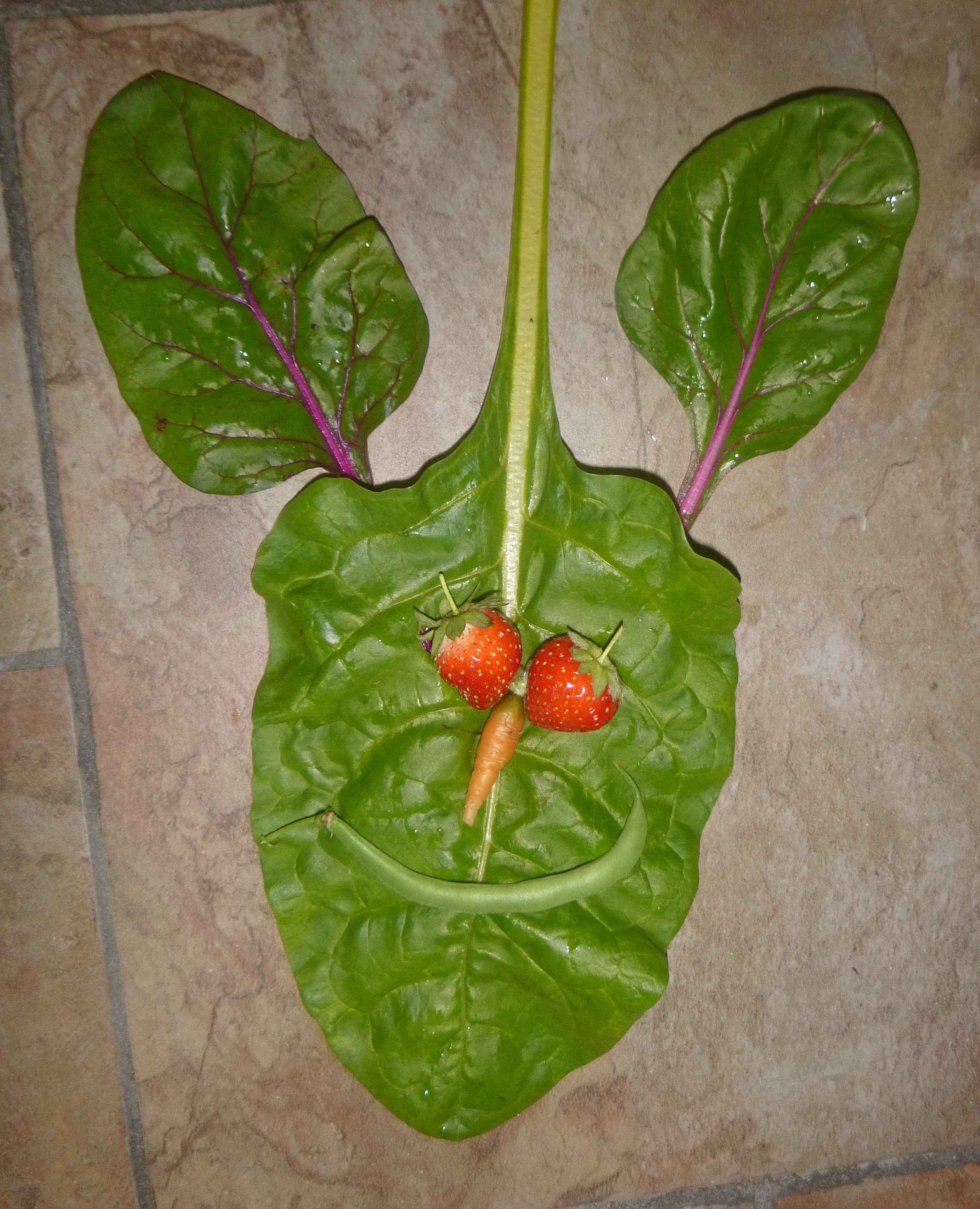
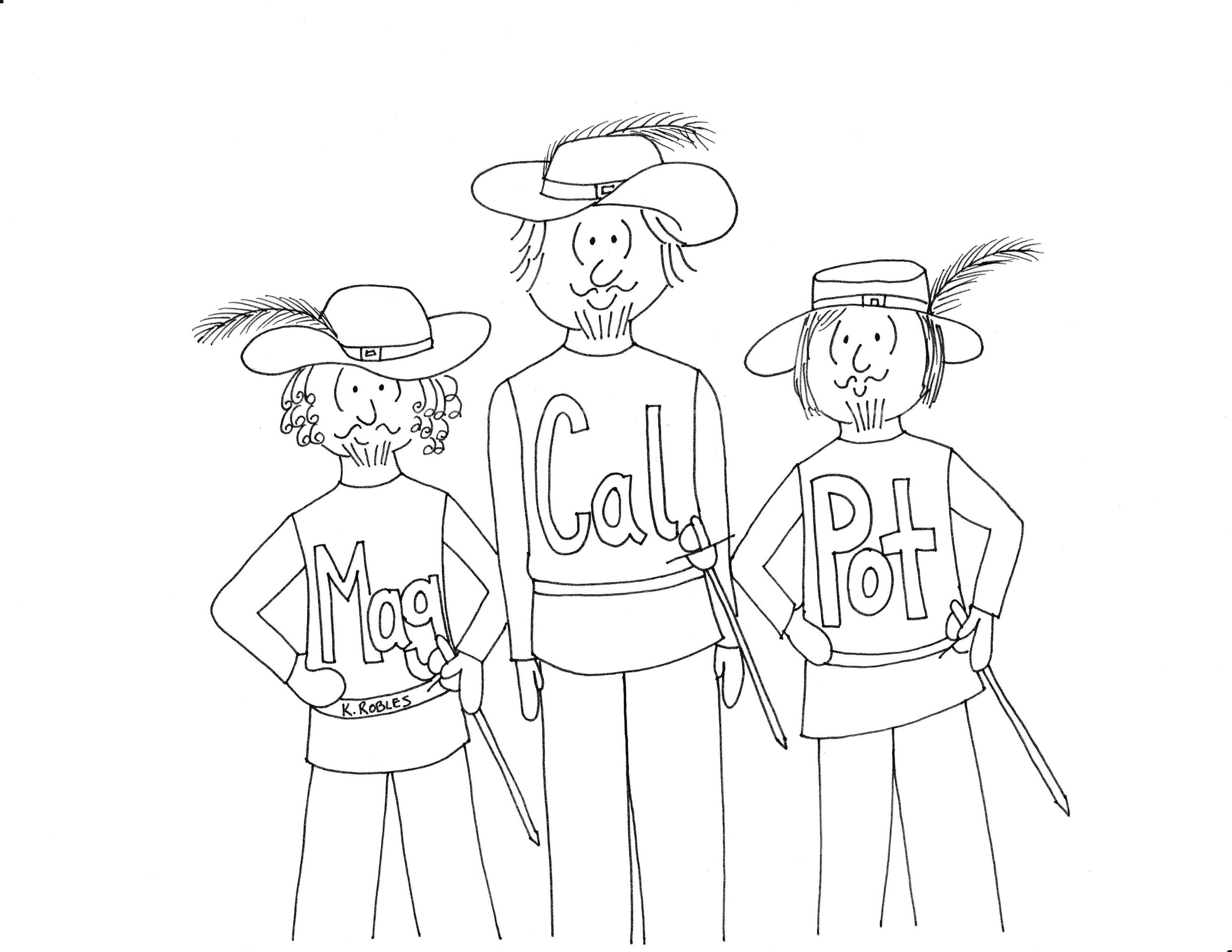
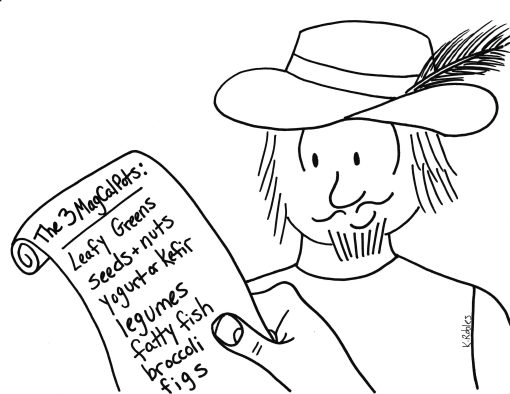 The Three Musketeers are great dinner companions so invite them onto your plate every chance you get. (If you invite Salt, do so cautiously; Salt belches and forgets his wallet, so a little of him goes a long way.)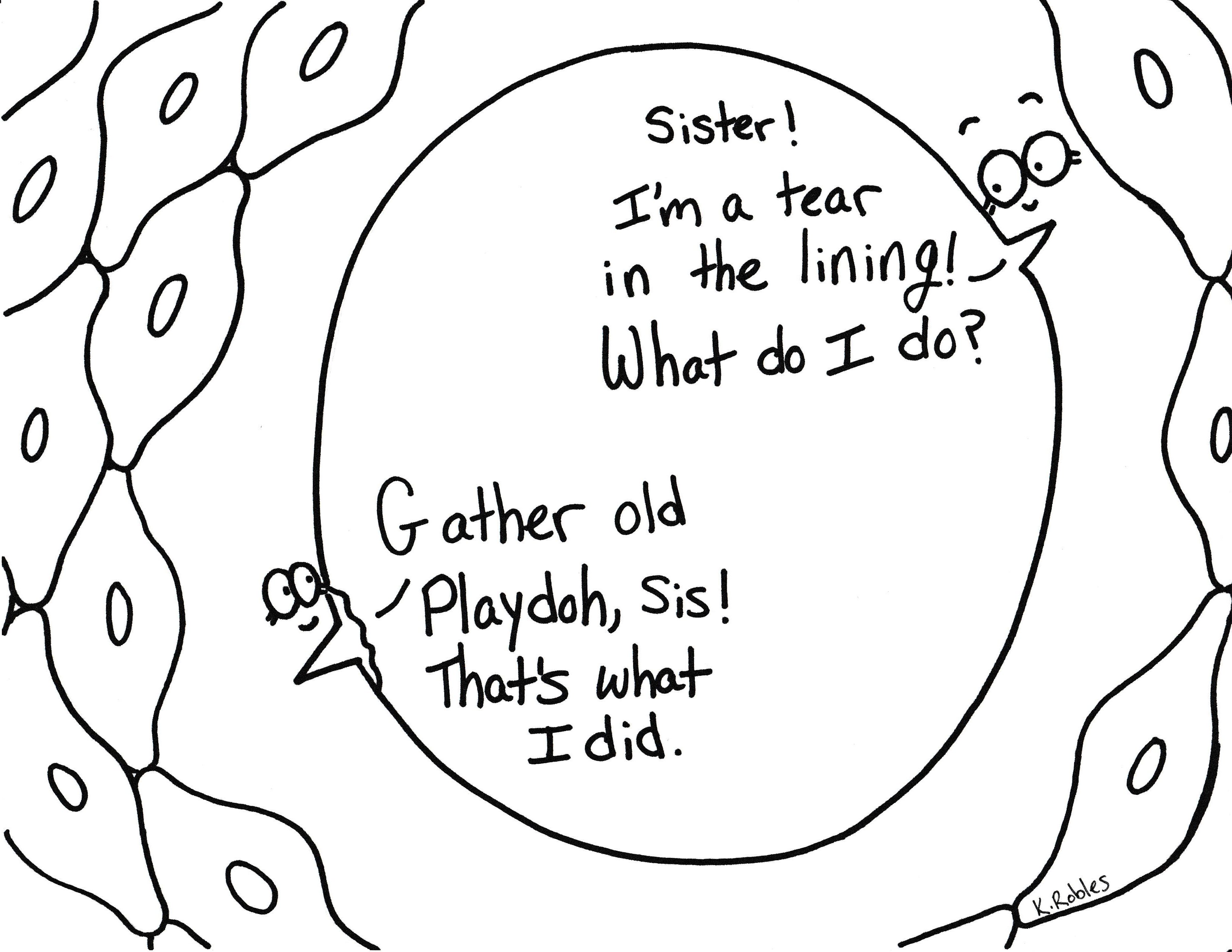
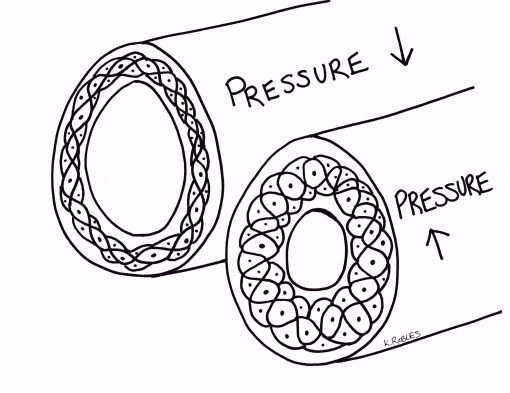 These smooth muscles move involuntarily (i.e. you can’t control them like an arm or a finger) to regulate the volume of blood in the vessel and how forcefully that blood flows. Blood vessels are not passive garden hoses but more like millions of tiny fans keeping the wave going in a tubular stadium. This is mind blowingly cool, but what does it have to do with hypertension and heart health?
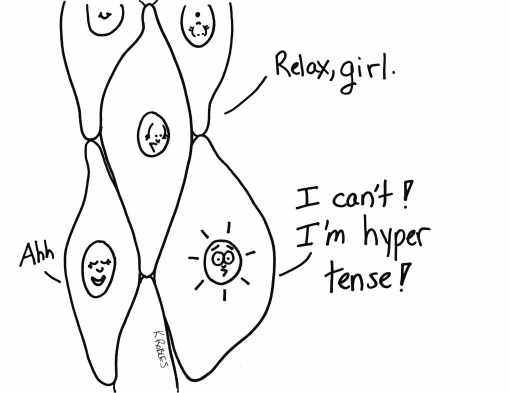 Hypertension is a warning sign that blood is not flowing well in the body. Blood pressure goes up because the blood has to press harder to get through the vessels, i.e. the heart pumps extra hard. In our shipping analogy, hypertension is all of the sailors working harder and harder to get the ships to the docks, but not getting there any faster than they used to. After years of hard sailing, shipments are delayed or detoured and the sailors simply can’t sail up every tiny tributary like they used to because the way is clogged with pollution or traffic. Any body part of the world that receives fewer shipments than necessary will suffer. Another way to say it is that if a body part lacks blood, it also lacks oxygen which it needs for energy producing reactions within the cells, so it will not have energy and cells will die. If enough cells die, we develop symptoms.
 Africa is home to the Sahara Desert which has the most uninterrupted view in the world (I’m guessing) from the top of a dune on a cloudless day. Africa represents our eyes and hypertension is a sand storm. Eyes need nourishing blood to see properly and when they don’t get enough, vision can become blurry or be lost completely.
 Sex, Soup, and 2 Fisted Eating