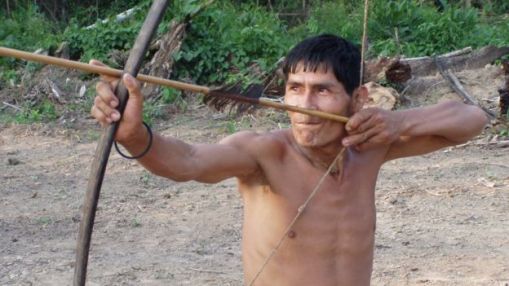
 The Tsimane people of Bolivia have the healthiest hearts in the world. You can read the details for yourself, but here are the highlights applicable to us today:
How much healthier are their hearts? By age 75 only one third of the Tsimane show signs of clogged blood vessels (and therefore the risk of heart attack) compared to 80% of septuagenarians in the United States. That’s a LOT healthier.
Why are their hearts healthier? You’ve probably already guessed the answer: diet and exercise. The Tsimane’s diet is roughly 25% wild game and fish and 75% plants (fruits, nuts, rice, maiz, etc). For exercise, they average over 15,000 steps per day plus the extra exertions of bending, lifting, climbing, hacking, hauling, pulling, carrying and so forth involved with farming and hunting.
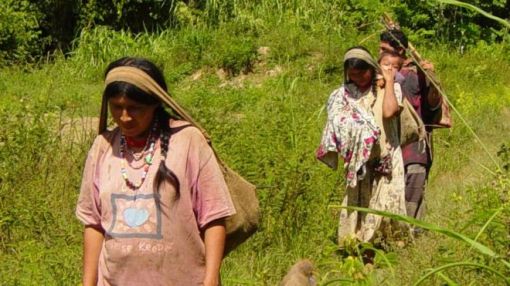 Why does this matter? There are many factors preventing us from living like the Tsimane: winter weather, for example, or the fear of giant jungle tarantulas. But it gives us confidence that when we exercise and when we eat plants, our hearts are benefiting. Today we can walk an extra ten minutes, climb the stairs, and turn to fruits and vegetables to fill our plates and be our snacks. We might not have the healthiest hearts in the world, but we can still make our doctors proud.
But in your hearts revere Christ as Lord. 1 Peter 3:15a
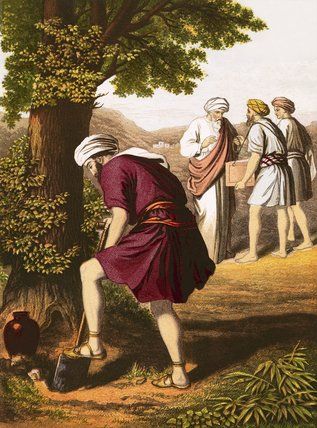 In Matthew 25:14-30 Jesus tells a parable about three servants whose master entrusts them with a sum of money before going on a trip. When the master returns, one servant has invested the money and made a large profit, one has invested the money and made a small profit, and one servant has buried the money in a field and made no profit. The third servant claims he buried the money out of fear; he knows his master can be harsh, so he takes no chances. Investment, after all, is a risky business. What if he lost the money? What if he tried his best and his best wasn’t good enough?
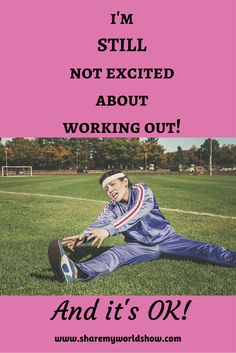 I can answer that for you. If you try and you never reach your goal, you’re still getting interest on your investment and you’re better off than being buried in a hole. The truth is that if you don’t try, if you don’t aim for a goal, if you don’t make an effort, you know exactly where you’ll be one, five, ten, or fifty years from now: in that hole. You won’t be thinner than you are now, and you won’t be healthier.
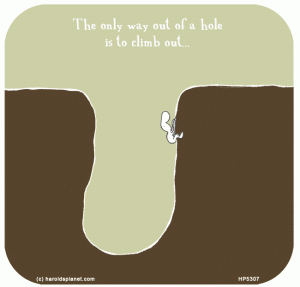 DANGER! DANGER!! This metaphor will only take us so far, so please, please, PLEASE don’t read too much into this and think that God is a harsh master who will put you in jail (or even simply not like you) if you don’t make a “profit” of weight lost or health gained. Romans 5:8 says that “while we were still sinners, Christ died for us” and “greater love has no one than this: to lay down one’s life for one’s friends” (John 15:13). Add them together and you get the truth that Christ loved us BEFORE he died for us, when we had nothing to offer him, not even obedience or faith, and certainly not healthy habits. All I’m saying is don’t let fear hold you back from changing your life. Only good can come of taking care of your body. Climb out of the hole and invest in yourself.

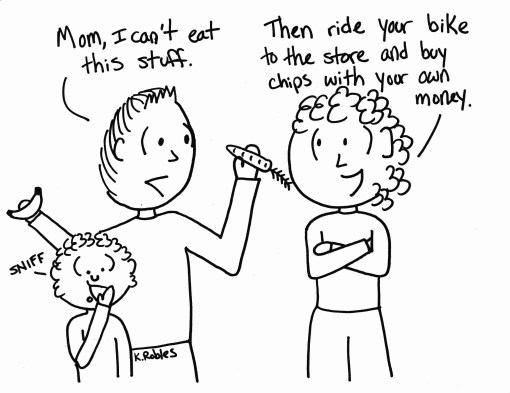
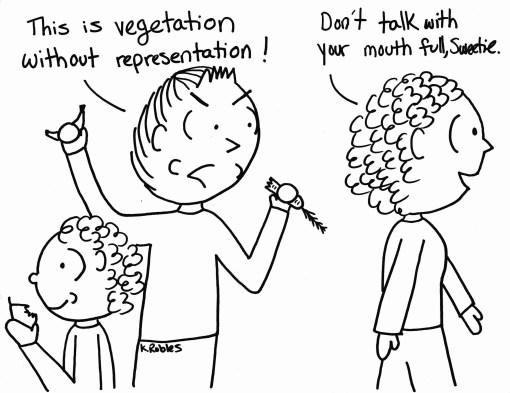
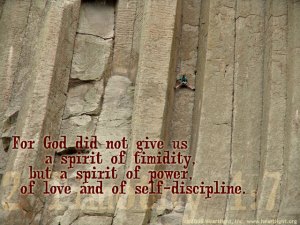 For the Spirit God gave us gives us power—YES!—and love—YES!—and self-discipline—um, say what now?
 God wants me to control my body. Self-discipline helps me say no to sin when I want to do what I know is wrong. Self-discipline helps me make time each day to pray and read the Bible when a thousand other ways to spend my time seem more urgent. And self-discipline helps me do what I need to do to get healthy.
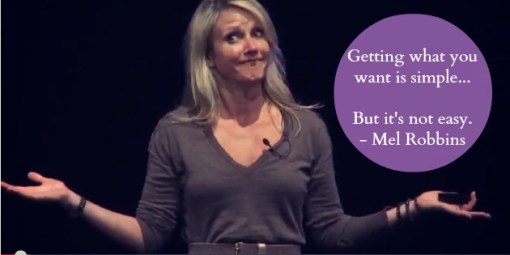 Sometimes it’s hard to get started.
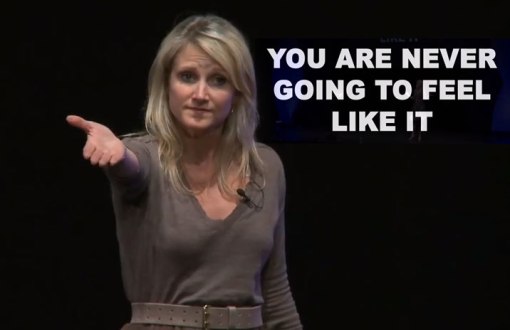 If that’s you today, take a few minutes to watch this TED talk by Mel Robbins. She discusses the secret to overcoming our own inertia. (Be advised: this video includes minor swearing. I first watched this video months ago and I still hear Mel’s voice in my head encouraging me, so I decided it’s absolutely worth sharing.)
 Cook with your ears. Listen to an audio book while you cook or put on some music that’ll make your toes and your chopping knife tap together. If the audio book is a tear jerker, chop up a bag of onions and freeze the extra for later.
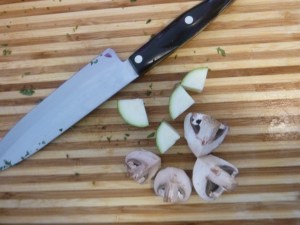 Rise and reward. Rise early twice a week to prep your recipes: chop the veggies or measure spices and save them in a little container. Get your ingredients set so that when you’re tired and hungry and it’s time to cook dinner, all you have to do is heat the pan and throw it all together. Or, in the case of a casserole, throw it in the oven. Reward yourself for your early effort with a special coffee or a favorite fruit salad. For many moms, being able to cook in peace and quiet in the early hours is a reward unto itself. If you use a slow cooker, your meal can be ready and waiting when you walk in the door.
 This last suggestion is my favorite: host a Chop and Chat. Invite a friend over and cook together. Yes, you will have different tastes and styles, but you will learn from each other and the cooking is accomplished—that’s the point, after all. Make salad together, scrape and cut carrot sticks for snacking, make a batch of soup or a fruit salad. We get together with friends to talk, but why not make our hands as productive as our mouths?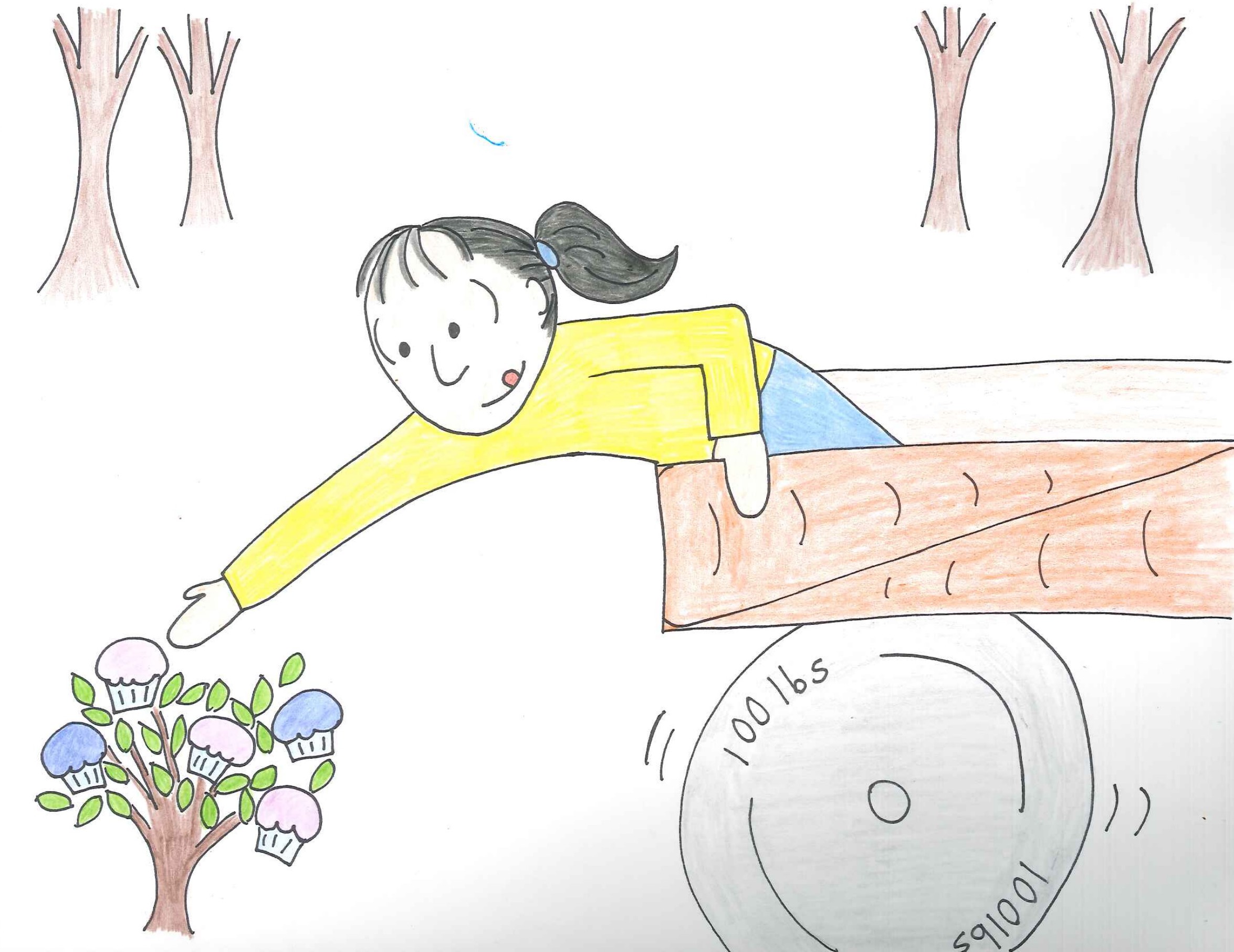
 Sex, Soup, and 2 Fisted Eating