Author Archives: Katie Robles

Your Genes Don’t Determine Your Jean Size

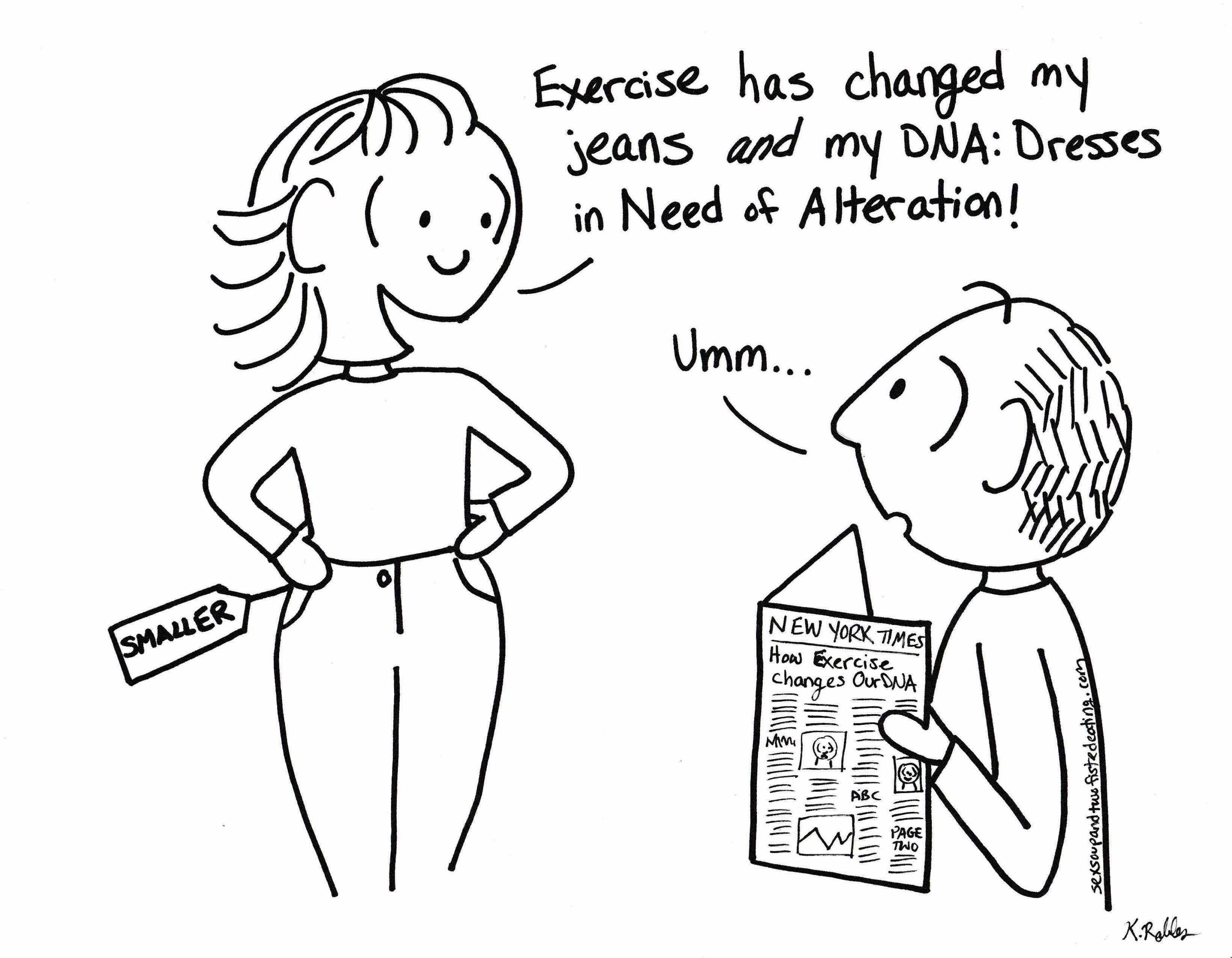
genes and jeansLast month the New York Times ran an article called How Exercise Changes Our DNA. That’s right, folks, DNA. We usually think of exercise in terms of bellies and biceps, lungs and love handles, but the effects of exercise go much deeper than that; literally to the core of who we are.

A recent study showed significant changes to the genes in exercised muscles. The study participants exercised one leg, but not the other, on a bicycle. After three months, the exercised leg’s DNA had changed and the lazy leg’s hadn’t.

I’d like to make 3 points based on this research.

  1. The participants exercised their loner leg for a total of 3 hours per week, not per day, and that exercise made a difference for Loner Leg. Three hours per week is an attainable goal for all of us, even those of us who identify more with Lazy Leg than Loner Leg.
  2. Exercise helps your body be healthy from your genes to your jean size. If you are exercising, but lament the lack of visible changes in the mirror, don’t give up: healthy, positive changes are happening, you just need a microscope to see them.
  3. Genetic predisposition can’t hold you back. The genetic wiring you’re born with does not control who you become: you do. You might be genetically predisposed to heart disease, obesity, or diabetes, but the actions you take can change your genes. It’s like training a dog: certain breeds have known tendencies toward stubbornness, sweetness, or aggression, but all breeds can be trained.

We’re a couple of weeks into the New Year, when most people slacken their resolve to get healthy. (No statistics to back me up here, just personal experience.) Don’t give up; don’t leave your dog half-trained. Your genes and your jeans will thank you!

“Let us not become weary in doing good, for at the proper time we will reap a harvest if we do not give up.”  Galations 6:9

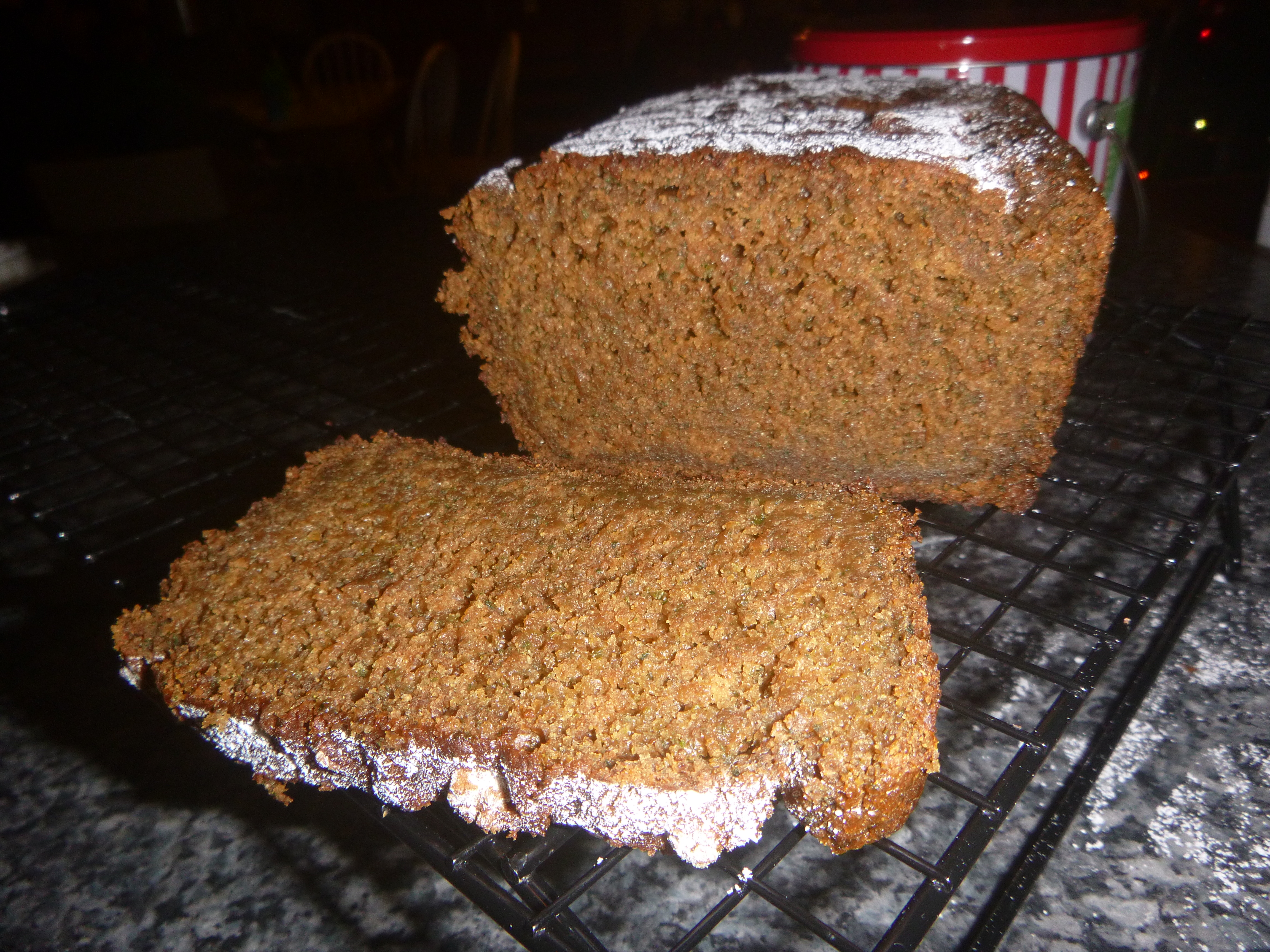
Ginger Bread With Broccoli (Shhh, don’t tell my kids)

What says “Merry Christmas” and “Eat your vegetables” all at the same time? Broccoli Ginger Bread! This recipe comes from Jessica Seinfeld’s Deceptively Delicious cookbook. The beauty of molasses and ginger is that you neither see nor taste the broccoli and carrot purees this recipe calls for. Even my picky eater eats it. And, as we discussed last week, broccoli is a cruciferous vegetable, so it’s a dessert that helps fight cancer. Doesn’t get much better than that! (I’ve paraphrased the recipe instructions a bit because I’m too lazy to type every word.)

Merry Christmas, enjoy your bread, and I’ll see you in January! Keep your body moving; every little bit of exercise is beneficial.


2014 Dec 021Gingerbread Spice Cake

Ingredients:

1 cup whole wheat flour

1 cup all-purpose flour

1 tsp EACH baking soda, ground ginger, cinnamon

1/4 tsp EACH ground cloves, allspice, salt

3/4 cup brown sugar

1/4 cup canola or vegetable oil

1 egg

1 cup broccoli puree (I thawed frozen broccoli and stuck it in the food processor with the oil)

1 cup carrot puree (Steam or boil carrots, puree in food processor or blender. Or use applesauce if you’re pressed for time)

1/2 cup plain yogurt

1/4 cup molasses

2 tsp vanilla extract

1 Tb grated orange zest


1. Preheat oven to 375 degrees. Grease 9×5 loaf pan.

2. Mix the flours and spices in a bowl, set aside.

3. Mix the sugar, oil, egg until smooth. Add the veggies, yogurt, molasses, vanilla and zest and mix again. Add flour mixture and mix until smooth.

4. Bake 45-50 minutes or until a toothpick inserted in the middle comes out clean. Cool 5 minutes, turn out onto a rack and cool completely. Or slice it steaming hot and blow on it to cool it between bites like I do. 🙂

Eating For Cancer Prevention (Part 3 of 5): Cruciferous Vegetables

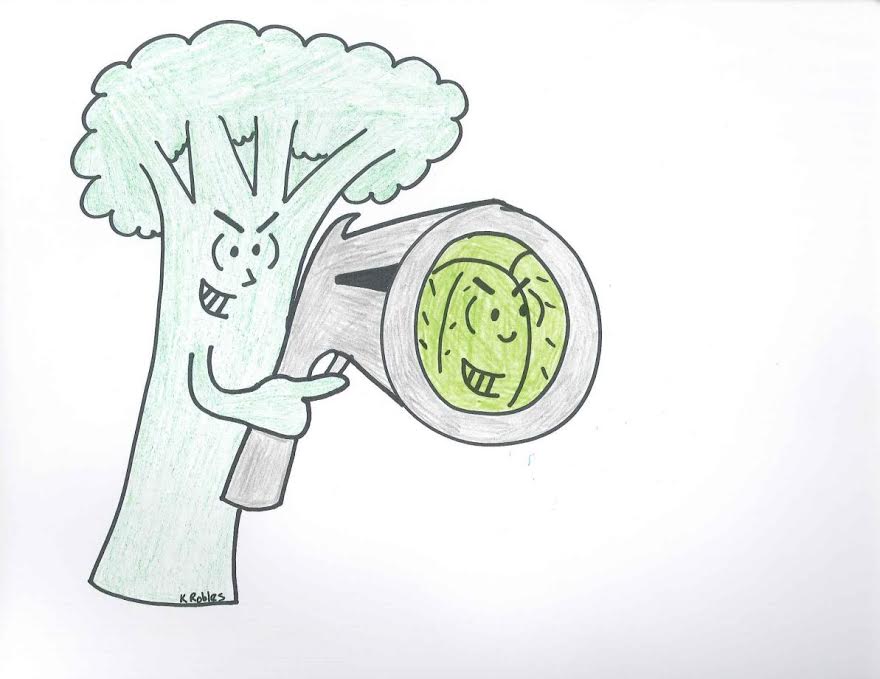
broccoli gunHow do cruciferous vegetables fight cancer? That’s just it: they fight. They’re warriors. Cruciferous vegetables are the military of Food-dom. They kill cancer cells and defend against terrorist-toxins.

The key is getting the ammo into the guns. The ammo is sulfur containing chemicals called glucosinolates. Think about the taste of broccoli, kale, cauliflower, Brussels sprouts; there’s something in the taste of cruciferous vegetables that packs a punch. Some websites called it sulfur, others called it mustard oil; it’s the same thing that makes horseradish potent, skunks stink, and rotten eggs smell. Mmm, the thought makes one hungry, does it not?

So in one part of the plant cell is the ammo: glucosinolates. In another part of the plant cell is an enzyme called myrosinase. Sounds like a sandwich spread made of rosin and it’s mine, but we’re going to call it Gun. When you chew, juice, or chop the plant cells, the ammo and Gun are free to join. Loaded guns, as we know, are more effective weapons than empty ones. These glucosinolate and myrosinase loaded guns are cancer fighting sulfur compounds.

120403153531-largeDo sulfur compounds sound familiar? That’s the secret to garlic’s cancer effectiveness too. If you want to know more about how sulfur compounds fight cancer and kill tumor cells, read my post on Garlic for cancer prevention. I don’t want to repeat myself, but all of that applies here.

I know what you’re thinking: Tumors are like enemy countries; the body knows where they are and can focus an attack. But what about toxin terrorists that roam the body; the ones that can start a new battlefront anywhere, any time? I’m glad you asked.

The Cruciferous Military doesn’t just ride in with guns blazing; it also organizes the Let’s Incapacitate Venom Enzyme Rangers (or L.I.V.E.R.), an Anti-Toxin-Terrorism Task Force that removes carcinogens from the body. Detoxification has two phases: Phase One is a transport visa and Phase Two is handcuffs.

In Phase One, the toxin is burned with oxygen and enzymes to make it water (rather than fat) soluble. This makes it easier for the body to remove the toxin (pee is water, not fat); it’s essentially giving the toxin a travel visa.

unclesam-worldwarii-poster-6201139-oPhase Two’s handcuffs are made of enzymes and sulfur. Once a toxin is handcuffed, it can’t do any damage and can safely be shipped to the small intestine (which leads to the colon and eventually to the light of day). However, L.I.V.E.R. doesn’t have detention cells. If there aren’t enough handcuffs, the toxins remain free to circulate the body on their travel visa and are now called “free-radicals”. Free-radicals can do more damage that the original toxins. Cruciferous vegetables provide the sulfur that L.I.V.E.R. needs to make enough handcuffs to safely transport toxins out of the body.

Cruciferous vegetables also help promote healthy estrogen metabolism in the body, so there’s a link to hormonal cancers. I didn’t get that far in my research, but I thought it was worth mentioning.

Keep your Military strong by recruiting cruciferous soldiers several times per week. Brussels sprout bullets for everyone!


“Come, we must deal shrewdly with them or they will become even more numerous and, if war breaks out, will join our enemies, fight against us and leave the country.” Exodus 1:10


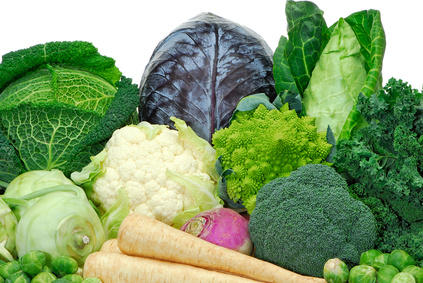
Images courtesy of me (broccoli), www.everystockphoto.com (Uncle Sam), drliesa.com (veggies).

A Cruciferous Call For Help

2014 Aug 2 006We’ll talk about why cruciferous vegetables are linked to cancer prevention next week; this week I need your help. I was looking over my cruciferous vegetable recipes and noticed that all but one involve bacon. As much as I love the combination of greens and grease, if I increase my bacon consumption along with my cruciferous vegetable consumption, I’m doing more harm than good. That’s where you come in.

Do you have a good non-bacon recipe for cruciferous vegetables that you’d be willing to share? Comment below with the recipe or a link to the recipe.

Common cruciferous vegetables are: arugula, bok choy, broccoli, brussels sprouts, cabbage, cauliflower, collard greens, horseradish, kale, radishes, rutabaga, turnip, watercress.

Thank you in advance!

Eating For Cancer Prevention Part 2: Beans

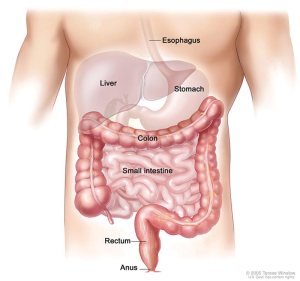
NCI_Digestive_torso_largeSeeing as how beans are known as the “musical fruit”, it should come as no surprise that beans have a strong link to the colon, and specifically to colorectal cancer. For those of you in the decades between middle school biology and the all-too-real anatomy lesson of a required colonoscopy, your colon is another name for your large intestine.

Your small intestine absorbs nutrients from the food you eat. The large intestine sucks the water out of what’s left, leaving behind stool or poop. It’s a good system, but when things go wrong, they go very wrong: colon cancer is the second leading cause of cancer death in the United States. There is hope, however: research suggests that roughly 30% of colon cancers could be prevented by a change in diet and lifestyle.
beansBack to the beans.

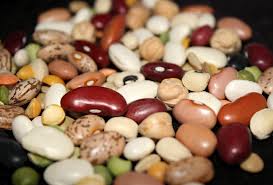
I’m not talking about fresh green beans, although they are delicious and I encourage you to eat them whenever possible. I’m talking about the Legume Family: lentils, kidney beans, black beans, navy beans, split peas, and so on.

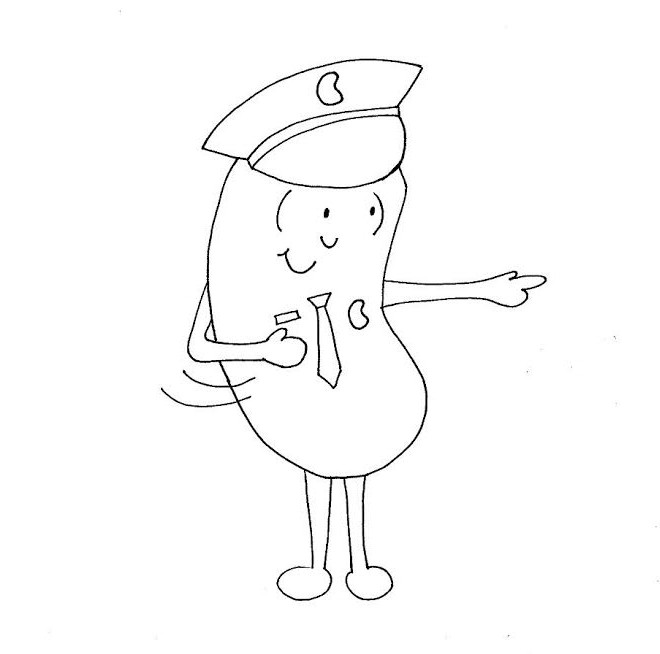
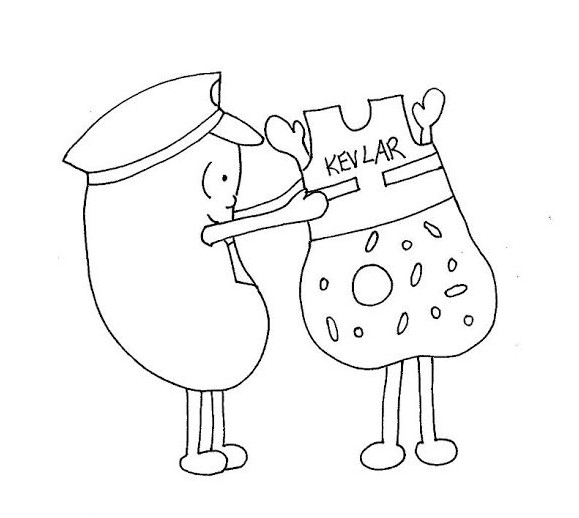
The Legume Family are police officers; it’s a proud tradition dating back to Creation. These Bean Cops enforce the law, direct traffic, and even manufacture Kevlar bulletproof vests.
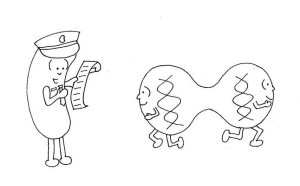
bean cop dnaLaw enforcement: The first Bean Cop tool of the trade is folate. Cells need folate (ie folic acid) to make and repair DNA when they divide. Folate helps the cells to follow DNA laws and divide perfectly. When folate is lacking, mistakes are made. This is why pregnant women are asked to take extra folic acid; their baby begins life as a dividing cell and the fewer mistakes, the better.
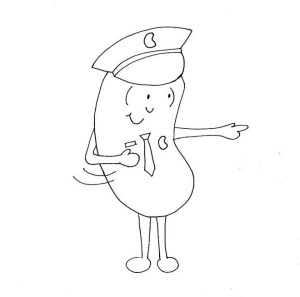
bean cop trafficTraffic: Bean Cops have access to large amounts of fiber and that fiber keeps traffic flowing in the gut. Researchers aren’t sure why increased fiber lowers the risk of colon cancer, but they suspect is has something to do with fiber’s ability to move waste and carcinogens out of the body quickly. Think back to the last time you left a concert, a festival, or a sporting event: traffic crawls and bottlenecks until that blessed whistle blowing, hand waving man in uniform arrives. How could moving waste along not be a good thing, right?

bean cop kevlarKevlar: Resistant starch is starch that resists being digested and Bean Cops are full of it. Resistant starch makes it all the way through the digestive track to the colon untouched. Once in the colon, resistant starch becomes food for the friendly bacteria that turn it into food for colon cells. This resistant-starch-fueled-bacteria-byproduct makes the colon cells stronger; it acts like a Kevlar vest to protect the colon and prevent leakage. Imagine what’s in your colon. Now imagine that leaking out of your colon and into your body cavity, even on a microscopic level. That’s why resistant starch Kevlar is so important.

In countries where the Legume Family is consumed several times each week, the morbidity rate for colon cancer is lower than in, say, the U.S. of A., where legume consumption is low. That means that if you do get colon cancer, Bean Cops can help you not die from it. (Protect and Serve is their motto, after all.) In one study, lab rats with chemical-induced colon cancer were fed beans. These rats developed 50% fewer tumors than the rats who didn’t eat beans!

I’m not suggesting that you trade in your Thanksgiving turkey for a bunch of beans, but if you’re supposed to bring a side dish to a gathering this week and you’re not sure what to prepare, try Three Bean Cop Salad.

 “Take wheat and barley, beans and lentils, millet and spelt; put them in a storage jar and use them to make bread for yourself.” Ezekiel 4:9a


Sources:

http://beaninstitute.com/health-benefits/dry-beans-and-human-health/#BEAN_CONSUMPTION_AND_CANCER

http://www.wholehealthsource.blogspot.com

http://www.authoritynutrition.com

Colon image: www.nlm.nih.gov
New Recipe: Monterey Beans and Cheese

We’ll talk about why beans are a cancer-fighter next week. This week I wanted you all to have a chance to taste how delicious beans can be. If you want a healthier version, you can omit the bacon and cheese; I keep them in because a little of each adds a lot of flavor. And I love cheese. This is easy and fast. If you want to play with the types of veggies you throw in, go for it! I’ve added zucchini, spinach..it’s all good.

This recipe came from the More-With-Less Cookbook by Doris Longacre.

2014 Nov 037Ingredients:

2 slices of bacon

1 medium onion, chopped

1 pepper, any color, chopped

2 cups cooked beans – kidney, black, etc., rinsed and drained (Canned beans are cooked and work great.)

2 ripe tomatoes, diced OR 1 can chopped tomatoes OR 3/4 cup tomato sauce

1/4 cup beef bouillon (I don’t often have this on hand; I usually just sprinkle a packet of chicken bouillon. The tomatoes add enough water for my taste.)

1 tsp chili powder (I usually use 1/2 tsp)

1/2 tsp salt

dash pepper

1/2  cup shredded cheddar cheese


1. Fry the bacon, remove from pan, break into pieces.

2. Saute onion and pepper in the bacon fat until tender.

3. Add the rest of the ingredients, lower the heat a bit, then simmer and stir occasionally until it looks blended (about 5 minutes). Serve over rice.


Eating For Cancer Prevention (Part 1 of 5): Garlic

My mother was diagnosed with breast cancer at age 45. That felt like a distant milestone until I turned 35. Add to my family history the recent breast cancer diagnosis of a friend – who is my age and stage of life – and it’s a bit of a wake up call. If it can happen to them, it can happen to me. I wanted to know if there was anything I could do now to prevent cancer later (or kill it now, now is good too).

downloadFirst, I took stock of everything I knew about food and cancer prevention; it was summed up with the phrase “Eat berries”. Berries have lots of antioxidants that clean out the free radicals, right? Whatever those are and however that works.

I checked out four different health websites for recommended anti-cancer foods and when I compared the list, five foods stood out: garlic, dried beans, cruciferous vegetables, tea, and curcumin. Since this is a blog post, not a book, I’ll just tell you about my favorite one today. Anyone want to guess? Anyone want to smell my breath and then guess?

garlicGarlic!

Besides making everything it touches delicious, garlic has been used for medicinal purposes since ancient times. It was also used as a weapon of war; they’d just breathe on the enemy and the enemy would run. (It’s the taste of garlic we love, but not the aftertaste.)

So why is garlic a cancer fighting food?

Garlic contains sulfur. (Insert volcano reference here.) I know that sounds bad, but the sulfur combines with other stuff in the garlic to form compounds, and these sulfur compounds really clean house. Garlic’s biggest connection to cancer is its ability to slow or prevent the growth of tumors. For example, one compound makes all cells more vulnerable to the stresses of cell division; tumor cells divide more quickly than normal cells, so they have more stressors and die, whereas normal cells can handle it and live. (See why I called it a weapon?)

Garlic also has antibacterial and antifungal properties; while it fights infection, the rest of your immune system is free to work on other problems, like cancer. Garlic has anti-inflammatory properties as well and inflammation is like PMS on a cellular level; it makes every little problem in your body worse.

How does this apply to the kitchen? Two ways:

  1. garlic choppedWhen you peel, chop, mince, or crush garlic, let it sit for a few minutes before you cook it. Those beautiful sulfur compounds need time to form. If you squeeze your garlic press over a hot pan like I’ve done until now, you get the flavor, but not the compounds.
  2. Eat garlic raw whenever possible. I knew a woman once who sliced cloves into pill sized pieces and swallowed them whole. She said she hardly ever got colds. If you aren’t ready for that level of halitosic commitment, try raw garlic in pesto, guacamole, gazpacho, or mixed with butter and spread on toast.

Pesto has to be my favorite. You can find the recipe here: Fresh Pesto.

I also found a recipe for a raw garlic based tea. How did it taste? Not horrible. I know that’s not a rave review for flavor, but it’s raw garlic tea: “not horrible” is as good as it gets, and I’m a garlic lover. Garlic Tea. I’ve drunk it twice and will do so again: my body wanted more, so it must be doing something good.

I am very happy to say that my mom has been cancer free for 18 years now. She loves garlic too. No, I’m not saying that garlic cured her. I’m just saying that this happy ending smells like garlic!

“The rabble with them began to crave other food, and again the Israelites started wailing and said, ‘If only we had meat to eat!  We remember the fish we ate in Egypt at no cost—also the cucumbers, melons, leeks, onions and garlic But now we have lost our appetite; we never see anything but this manna!’” Numbers 11:4-6


Tatas courtesy of freeinterentpictures.com.